
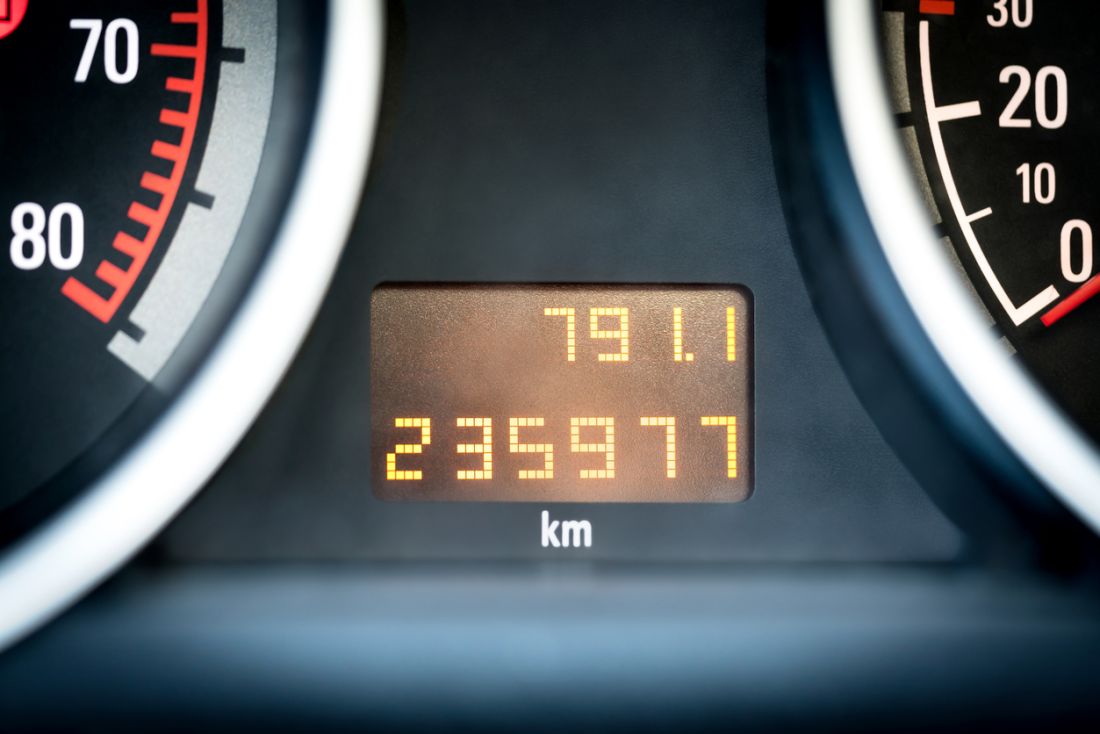
What Mileage is Good for a Used Car 2024?
Key Highlights
- The average annual mileage for a car in the UK is around 7,000 miles.
- When a car is in good condition and has been well-maintained, high mileage isn’t necessarily bad.
- When buying a used vehicle, it’s a good idea to factor in the potential running and repair costs associated with its mileage.
- If you’re looking for a used car, you should always check that its mileage is consistent with its MOT history and service records.
- Considerations such as car type and fuel type can inform what is considered a good or bad mileage for your next used vehicle purchase.
When you buy a used car, feeling secure is very important. Learning how to read a car’s mileage and understand the mileage of a car and its impact on a car’s value is a great first step. This knowledge helps you make choices that fit your needs and budget. While a car with low mileage may seem like a good deal at first, you should think about many things when looking at the mileage of a used car. This will help you make sure you get a good deal on a car that will last.
Deciphering Good Mileage for Used Cars
In today's market, there is no one right answer to the common question: what mileage is good for a used car? The answer depends on what mileage fits your needs, budget, and way of living.
Several things can affect what is seen as 'good' mileage. These things include the car's make, model, how it has been maintained, and even its fuel type. For example, diesel cars, including models from Honda and Toyota, are popular among drivers who often go long distances, so high mileage on these cars is not always a problem.
Understanding Mileage Averages in the UK
According to data from the Office for National Statistics, the average number of miles driven for a car in the UK in 2020 was 6,800 miles. The COVID-19 pandemic affected this number, changing the average mileage that year. In 2019, which is more typical, the average mileage was 7,400 miles per car.
However, averages can be tricky as they do not show the whole picture. The type of vehicle matters greatly when defining what mileage is high or low. For instance, a three-year-old diesel car used mainly for commuting would likely have higher mileage than a 20-year-old petrol sports car.
In the end, it's best to view a car’s mileage with other important factors. You should consider things like its service history, overall condition, and intended use. This way, you can get a better idea of its value and how long it might last.
Mileage vs. Age: What's More Crucial?
When buying used cars, age and mileage are both important things to think about. A car's age can show possible problems with wear and tear, especially when considering lower mileage cars, no matter what the mileage says. For example, a 15-year-old car with low mileage might need big repairs because parts might be broken down from age.
In contrast, a newer car that has higher mileage may mean it has been driven a lot in a short time. This isn't always bad, especially if the car has been taken care of well. Still, you should be careful and check the car's condition thoroughly.
Overall, there isn’t a clear answer to whether a car's age is more important than its mileage. It's better to see age and mileage as two parts that, when looked at together, can help you make a better choice when buying a car.
Ideal Mileage Range for Used Cars
While there is no single answer for what mileage is best for used cars, we can look at averages for different types. A petrol car usually has lower mileage if it is under 10,000 miles a year. Diesel cars, known for their good fuel efficiency, often have a good average common mileage of around 12,000 miles a year or a bit less.
Modern cars can last a long time. If they are well cared for, they can often go beyond 150,000 miles without major problems, and the good news is that in the end, what is considered ‘ideal’ mileage for a used car depends on what you need, how much you can spend, and how much risk you are willing to take.
Signs of Excessive Wear by Mileage
Looking for signs of wear on a used car can help you know if it’s a good buy. Here are some things to check:
- Tyre Wear: Check the tires for uneven wear. This could mean issues with the suspension or that the car is out of alignment.
- Brakes: If you can, ask to see the brake discs and pads. If they show a lot of wear, they might need to be replaced soon, and that can be expensive.
- Suspension: Take the car for a test drive. Listen for strange sounds like squeaks or clunks when you go over bumps. These may show there are problems with the suspension.
Keep in mind that these signs of wear don’t always relate directly to mileage. Factors like how the car was driven, the condition of the roads, and how well it was maintained can matter even more than mileage.
The Impact of High Mileage on Car Performance and Value
Due to the fact higher mileage can lead to wear on the car's important parts, especially if it hasn’t been cared for well, this could result in lower performance and some financial loss when you sell it.
However, cars with higher mileage can still be of good value. A well-maintained high-mileage car can be just as dependable and fun to drive as one with lower mileage. Plus, it may save you money in the long run.
How High Mileage Affects Engine Health
A car's engine is very important. It’s like the heart of the car. High mileage can harm the engine, especially after many short trips. These short trips don't let the engine get warm enough, which can cause harmful build-up. In contrast, longer trips on the motorway help the engine fully heat up. This helps clear out those harmful deposits. A car that is not used for long periods of time can suffer even more. This is good for the engine's health, especially for diesel engines that have a Diesel Particulate Filter (DPF).
If you want to buy a used diesel car, make sure to check the DPF's service history. Look for any signs of problems or neglect. You should also ask about the driving habits of previous owners. This is important to see if they took care of the diesel engine.
Don't forget that a vehicle's service history is as important, if not more important, than its mileage. A car that has a full-service history, showing regular oil changes, and timely filter and fluid replacements, has a better chance of having a healthy and long-lasting engine.
Resale Value Depreciation with Mileage
We hate to break it to you, but cars are depreciating assets. This means they lose value as they age and accumulate more miles, and a car’s resale value can be greatly affected by its mileage. Generally, you can expect a car to depreciate by around 15-20% in the first year alone, with higher mileage vehicles experiencing even steeper depreciation rates.
To better illustrate the relationship between mileage and resale value, here’s a general guideline :
Age of Car | Average Mileage | Estimated Depreciation |
1 year | 10,000 miles | 15-20% |
3 years | 30,000 miles | 35-45% |
5 years | 60,000 miles | 50-60% |
7 years | 90,000 miles | 65-75% |
Remember, these are just estimates. A car's overall condition, maintenance records, and market demand can influence its resale value, making it fluctuate significantly.

Choosing the Right Mileage for Various Car Types
The 'right' mileage can be different for each type of car. Cars made for various uses, like small city cars or big trucks, have different life expectancies and mileage limits.
Let’s look at how to pick the right mileage for different types of vehicles. This way, you can make a smart choice that fits your needs and budget.
Mileage Considerations for Petrol vs. Diesel Cars
Choosing the right mileage for your next used car is more than just a number. It is about knowing how mileage relates to fuel type. Usually, petrol cars have lower annual mileage compared to diesel cars, which is often due to the fact that people use petrol cars for short trips in the city, rather than motorway driving which involves less stress on the vehicle. They are great for short commutes where fuel efficiency matters.
Diesel cars are good for long journeys, especially on highways. That's why you often find higher mileage with these cars. If you are thinking about buying a used diesel car, remember to check the DPF (Diesel Particulate Filter) system. It needs regular long drives to work well.
When you decide between a petrol or a diesel car, think about how you drive. If most of your trips are short, a petrol car with lower-than-average mileage can be a good choice. If you choose a used diesel car, look for one with higher mileage and a solid service history. This means it has been driven regularly for long motorway journeys and long distances.
Hybrid and Electric Vehicles: Mileage Relevance
Hybrid and electric vehicles, or EVs, change the ways we think about mileage. They have fewer moving parts than petrol and diesel vehicles. This leads to less wear and tear, which can mean a longer life for the vehicle. So, mileage might matter less when buying a used EV.
Still, you shouldn't ignore mileage altogether. You should always get as much information as you can about a vehicle's usage and condition, no matter what fuel type it uses.
If you're thinking about getting a used EV, make sure to check its battery health. This is very important for knowing its remaining range and overall performance.

Conclusion
In conclusion, understanding mileage is key when buying a used car, as it can often reveal more about a car's condition than its age. By knowing the ideal mileage range for different types of vehicles and recognising signs of excessive wear, you can make a more informed choice on a used car's value and performance. Don’t let mileage myths mislead you—consider how it impacts engine health and resale value to make the right decision. Ready to find a quality used car that fits your needs? Explore our selection at The Motorworks, where we offer reliable, well-maintained vehicles with the mileage transparency you can trust.
Frequently Asked Questions
What is considered good mileage for a used car in the UK?
In the UK, good mileage for a used vehicle is usually seen as an average of 10,000 miles a year or less. However, what is considered 'good' mileage can vary. It depends on your needs and the type of vehicle.
Is high mileage more important than car age?
Both higher mileage and a car’s age matter a lot. However, one is not better than the other. A well-kept older car with high mileage can be just as dependable as a new car.
How does mileage affect car insurance rates?
High mileage can cause car insurance costs to go up. This is because it shows a bigger risk for the insurance company. Cars with lower miles usually have a higher value, and this can also raise insurance prices.
Can a high-mileage car still be a good investment?
A high-mileage car can be a good investment if it has a clear service history and shows careful maintenance. This is especially true for modern cars, which are designed to last longer.