
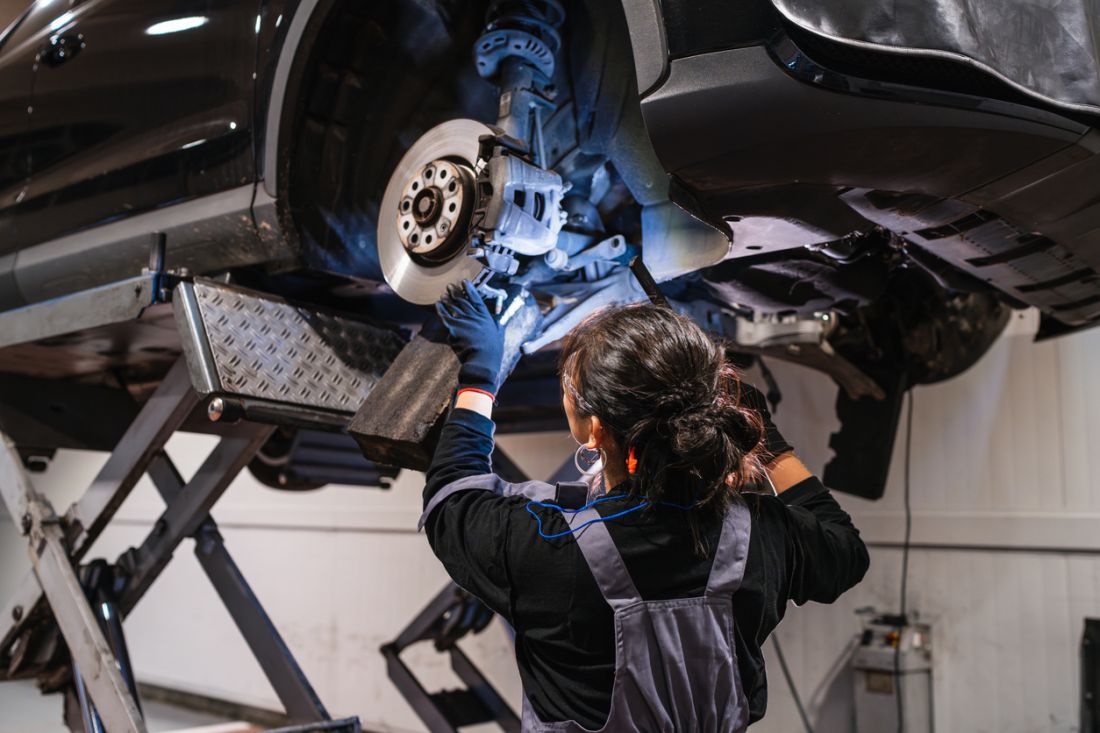
Used Car After-Sale Care: Maintenance Tips
Key Highlights
After buying a used car, check fluid levels, tyre condition, and battery health as a priority.
Monthly checks should include oil, coolant, lights, wipers, and tyre pressure.
Brake pads, filters, and tyres wear over time; learn how to spot early warning signs.
Used electric and hybrid cars require fewer moving parts but still need regular care.
Service plans can help spread the cost of ongoing maintenance.
Preparing for your MOT with basic checks can save you time and money.
First Steps After You Buy Your Used Car
Buying a used car is an exciting milestone, but to keep it running smoothly, you need to give it the right care from day one. Once you’ve driven off the forecourt, your responsibilities as an owner begin.
The first things you should do after purchasing your used vehicle include:
Checking fluid levels (engine oil, brake fluid, coolant)
Testing lights and indicators
Inspecting tyres for wear or uneven tread
Ensuring your spare tyre and toolkit are in place
Familiarising yourself with the car’s service history
At The MotorWorks, all our used cars are thoroughly inspected and serviced before sale. However, it’s always a good idea to double-check everything to make sure nothing has shifted during transit or after handover.
Monthly, Quarterly and Annual Checks
Routine maintenance is the best way to prolong the life of your vehicle and avoid costly repairs later.
Monthly Checks:
Oil level – Use the dipstick to check levels when the engine is cold.
Coolant – Make sure it’s topped up to the correct line.
Tyre pressure and tread depth – Keep tyres inflated to manufacturer guidelines.
Lights and wipers – Replace any bulbs or worn blades.
Quarterly Checks:
Battery condition – Clean terminals and test charge levels.
Air filter – Replace if it appears dirty or clogged.
Brake pads – Check for wear and listen for squeaking or grinding.
Fluid top-ups – Recheck brake fluid, power steering, and washer fluid.
Annual Checks:
Full service – Change oil, replace filters, and conduct a multi-point inspection.
MOT prep – Make sure your car passes all safety and emissions checks.
If you're unsure about carrying out these checks yourself, a local garage can do this as part of a maintenance plan.
Fluids, Filters and Tyres: What to Watch
Your car relies on various fluids and filters to keep everything working efficiently. Over time, these need topping up or replacing.
Engine Oil – Vital for lubricating engine components. Change every 5,000 to 10,000 miles.
Coolant – Regulates engine temperature. Check levels and colour; murky coolant should be flushed.
Brake Fluid – Absorbs moisture over time, reducing effectiveness. Replace every 2 years.
Fuel & Cabin Filters – Keep dirt and pollen out. Check every 12,000 to 15,000 miles.
Tyres – Legally must have 1.6mm tread depth, but 3mm is safer. Check for cracks and bulges.
Always use manufacturer-recommended fluids and tyre sizes, which you’ll find in your owner’s manual.
Maintenance Tips for Used EVs and Hybrids
Used electric cars and hybrids require less frequent maintenance since they don’t have traditional engines. But they still need care:
Battery health – Use built-in diagnostics or ask a specialist to run a test.
Brake pads – EVs use regenerative braking, so pads last longer, but still wear over time.
Coolant – Some EVs use coolant for battery thermal management.
Tyres – EVs are heavier and more powerful, so tyres can wear faster.
Should You Buy a Service Plan?
If you’ve just bought a used car and want to plan for the year ahead, a service plan could be worth considering. These allow you to spread the cost of annual servicing over 12 months.
Benefits include:
Predictable monthly payments
Priority booking and discounts on repairs
Preserved service history (boosts resale value)
Ask your dealership or local garage if they offer tailored maintenance plans for used vehicles.
How to Spot Issues Before Your MOT
MOT tests check the roadworthiness of your car, but you don’t need to wait for a failure notice to address issues. Here are signs to watch out for:
Uneven tyre wear – May indicate tracking or suspension problems.
Warning lights – If the dashboard lights stay on after starting the car, book a diagnostic.
Brakes feel soft or noisy – Could be worn pads or leaking fluid.
Windscreen wipers streak – Replace them before they obstruct your vision.
By fixing small problems early, you’ll reduce the risk of MOT failure and improve safety.
When to Replace Brake Pads or Tyres
Brake pads and tyres are wear-and-tear items, and replacing them at the right time is crucial for safety.
Brake Pads
Replace if the pad thickness is under 3mm.
Listen for grinding or squealing when braking.
Reduced braking performance is a warning sign.
Tyres
Replace when tread is below 3mm (legal limit is 1.6mm).
Watch for visible damage or cracking.
Tyres over 6 years old should be replaced regardless of wear.
Most garages will check both for free during a service.
Final Thoughts
Used cars are more reliable than ever, but keeping them in good condition requires consistent maintenance. From fluid checks and tyre rotations to battery care for hybrids and EVs, every step you take protects your investment.
At The MotorWorks, all our used vehicles come fully inspected and road-ready. But ongoing maintenance is key to ensuring they stay that way. If you're unsure about anything, our team is here to help.
Explore our used car range or check out more advice on our blog.
FAQs
How often should I service a used car?
Most cars should be serviced every 10,000 miles or once a year, whichever comes first. However, if your car has a full service history, you should follow the intervals set by the manufacturer.
Can I do used car maintenance myself?
Yes, basic tasks like checking fluid levels, topping up screenwash, and changing wipers can be done at home. But for more complex work, like brake replacements or timing belts, it’s best to use a professional mechanic.
Are service plans available for older cars?
Yes, many garages and dealerships offer flexible service plans for vehicles over three years old. These can be tailored to suit the mileage and condition of your car.
What’s the most important part of used car maintenance?
Regular oil changes and tyre checks are among the most important. Without clean oil, engine parts wear out quickly. And poorly maintained tyres reduce safety and fuel efficiency.
Do electric cars need servicing?
Yes. EVs still require tyre changes, brake checks, coolant top-ups, and cabin filter replacements. However, they don’t need oil changes or timing belt checks, which lowers the long-term cost of maintenance.