
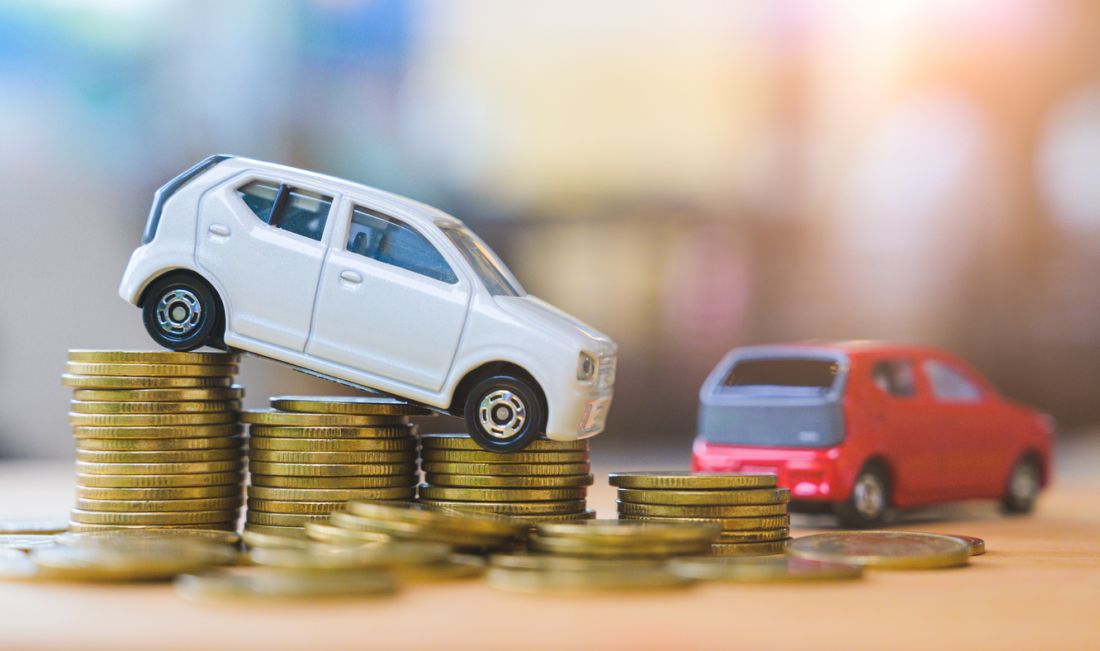
Car Depreciation UK: 2024 Guide
Key Highlights
Car depreciation is the difference between how much you pay for a car when you buy it and how much you get when you sell it.
Many factors can affect depreciation, such as mileage, the condition of the car, brand, model, and market trends.
Depreciation is highest in the first year you own the car.
Choosing popular models, keeping mileage low, and regular maintenance are good ways to reduce depreciation.
Understanding car depreciation can help you make better choices when buying a new or used car.
Understanding Car Depreciation
Car depreciation is an important issue for car owners. It means your car loses value over time and almost all cars lose value eventually. There are several reasons for this change to consider and these reasons include wear and tear, how much you drive, and new models being released.
Depreciation doesn’t happen at a constant pace and most cars' value changes at different rates. This depends on several things like the car's make, model, condition, and how much it has been used. Market trends also matter. Understanding these factors helps you figure out the value of a car and this knowledge can help you make better choices when you buy, sell, or lease a car.
Car Depreciation Rates: A General Overview
A new car loses the most value in the first few years and in just the first year, a car can lose 15% to 35% of its value.
As time goes by, the drop in value becomes slower, but the total worth still decreases. After five years, a car could lose about 60% or more of its original value but these amounts can change a lot depending on a variety of factors/
If you want to lower the effects of value loss, buying a used car is a good choice as due to a car loses its value fastest at the start, when you buy a used car, you will notice less value loss. This is especially true if the car is well taken care of and isn’t used a lot.

Factors Influencing Car Depreciation
Many things affect how much a car's value drops as time passes and this is known as the rate of losing value. A key factor is how much the car has been used as a car that has been driven a lot often loses value faster. However, this also depends on the car's age and how well it has been cared for.
Other important things are the car's make, model, and brand name and how efficiently it uses fuel. The demand for that car in the used car market can also change how much value it loses over time.
Brand and Model Impact on Depreciation
As stated above, car brands and models affect how much value they lose over time. Some cars, like the Audi A3, keep their value better than others. Cars from trusted brands that are reliable and well-liked lose value more slowly and as an example, the Renault Zoe and Volkswagen ID are known for being dependable and performing well, so they hold their value better than many other brands.
Some cars can drop in value fast and this can happen because of how people view the brand, worries about how reliable it is, or if the car is less popular now. If a model is popular because of its features, performance, or how well it uses petrol, this demand can help keep its value high, even if it has some miles on it and models that are not liked as much or have a history of issues tend to lose value quickly.
The Role of Mileage and Condition
Mileage is important in how much a car loses value over time as a car with high mileage shows more use, which lowers its value. Cars that are driven more than the average year usually lose value quickly, especially in the first year and during this time, most of the value drop happens for every mile driven.
The condition of a car is just as important as its mileage. A car that is well cared for, has a good repair record, keeps its original paint, and has a clean inside usually loses value slower than a car that is not taken care of. Other things matter too like if the car has been in accidents, how many owners it has had, and if it has been changed. All of this can affect its price when sold as a used car.
Cars with lower road tax usually have smaller engines or consume less fuel. These cars tend to attract more buyers as they often keep their value better. This happens because the cost savings make them more appealing and affordable for people looking to buy used cars.

Calculating Car Depreciation
It can be tough to predict how much a car will lose value over time. However, some simple methods and tools can help you get a good guess. These resources are helpful for both people buying and selling used cars.
Standard Methods for Depreciation Calculation
Finding out how much a car's value goes down isn’t complicated. You can do this in different ways with one way being to use a steady percent to measure the loss. This means the car loses the same per cent of its value every year. Still, this way might not show the true drop in value as most cars lose a lot of value during the first few years and after that, the drop slows down.
Another way to find out this information is by checking market data. You can examine the past prices of cars similar to yours and by comparing used cars that are about the same age, wear, and condition, you can understand your car's value better. This will also show you how much it has dropped in value.
Many online car value calculators help with this. You can input details such as the make, model, year, and how far your car has been driven and the calculator uses this information and past market data to give you an estimate of your car’s value and how much it has dropped.
Most of these online tools are free and they provide a simple way to see how much your car is worth now and how much value it has lost. However, remember that these values are just estimates, often shown on a graph. If you want to be exact, it is smart to ask industry experts for their opinions.
Strategies to Minimise Depreciation
You cannot stop car value loss completely. However, you can lessen its effects. Take care of your car by keeping the miles low and choose popular and reliable models. These steps can help reduce value loss and might provide a better price when you sell.
Selecting Cars with Lower Depreciation Rates
If you want to reduce value loss, consider buying petrol or diesel cars that keep their value well. This is important if you want to save extra money. It is smart to check which models lose value slowly and match your budget. Small cars and SUVs are good for their fuel savings and usefulness and these can be great choices.
Some car models are very popular and cars that lots of people want in the used market usually hold their value so choose cars that are known for being reliable as cars with many problems may become less desirable over time.
Picking colours like silver, grey, or black can also make the car look nicer and this might attract more buyers when you decide to sell.
Maintenance Tips to Preserve Car Value
Taking good care of your car is vital to keep its value and reduce wear and tear. It's also really important to follow the maintenance schedule recommended by the manufacturer. Holding on to all service records and receipts proves that you care for your car and this can make your car more appealing to buyers.
Fixing small problems quickly can stop them from becoming big issues that reduce the car's value. Cleaning your car often, inside and out, helps it look good and keep its worth and using detailing services from time to time helps keep your car in good condition.
Storing your car the right way can also help it last longer. If you have a garage, use it to keep your car safe frombad weather. When you park outside, look for shaded spots or use a car cover. These easy steps can help keep your car's paint and feel in good shape and can even make it worth more when you sell it.
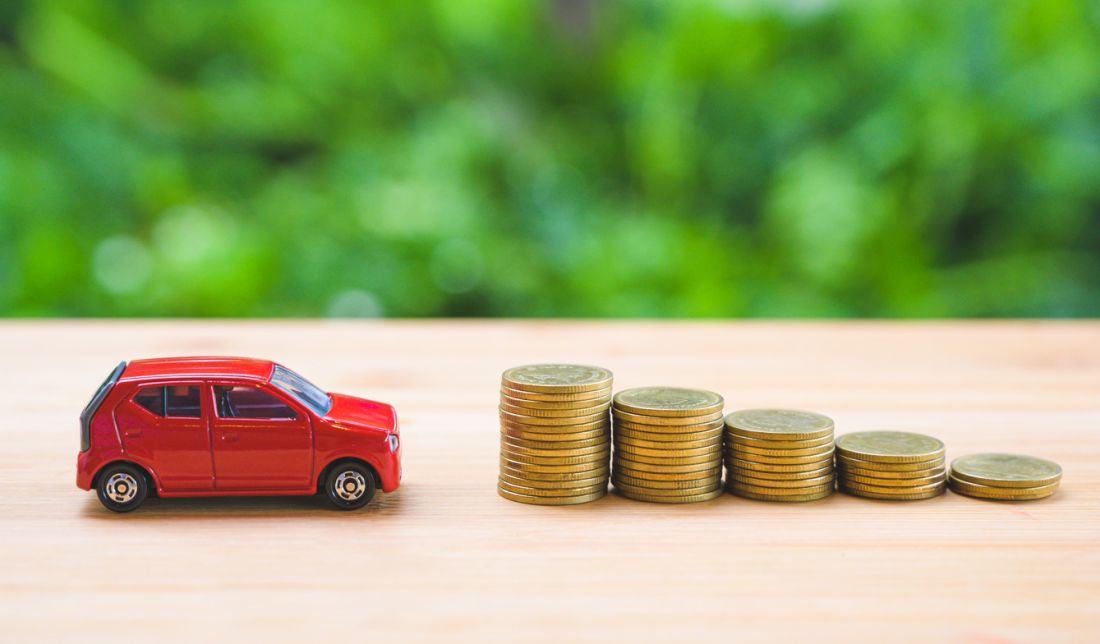
Depreciation Trends in the UK Market
The car market in the UK has special trends in how cars lose value. This change happens because of things like fuel prices, taxes, and what buyers want. Diesel cars were popular before because they saved fuel. Now, their value has gone down due to worries about emissions and new tax rules.
Petrol cars, especially the smaller ones that use less fuel, are now very popular alongside electric cars also getting more popular. This trend is changing how quickly they lose their value.
Comparison of How Different Types of Cars Lose Value
Different kinds of cars lose their value at different speeds in the UK market. Here is a general summary:
Car Type | Depreciation Rate | Factors Affecting Depreciation |
Sports Cars | Typically higher | High running costs, insurance premiums, limited practicality |
SUVs | Moderate | Dependent on size, fuel efficiency, brand perception |
Diesel Cars | Currently higher | Emissions concerns, changing regulations, shift towards petrol and EVs |
Petrol Cars | Moderate to Lower | Dependent on fuel efficiency, model popularity, overall running costs |
Electric Vehicles (EVs) | Variable | Determined by battery range, charging infrastructure, brand reputation, government incentives |
Sports cars are famous for being fast however, they can be expensive to maintain meaning they often lose value quickly. SUVs lose value at different rates and this depends on several factors like their size, fuel efficiency, and the brand's reputation.
Diesel cars are losing value quickly and this is because people are worried about the environment and prefer petrol and electric cars. Petrol cars are still popular and the amount they lose value depends on how well they use fuel and which models are in demand. Electric cars, or EVs, are changing fast. Their value loss depends on their battery technology, how far they can drive, how easy it is to charge them, and the support from the government.
How Economic Factors Affect the Drop in Car Value in the UK
When the economy is struggling, fewer people want to buy new cars. As a result, there are many used cars available. This leads to a quick drop in their value as sellers work hard to get buyers. On the other hand, when the economy is doing well, more people are interested in buying both new and used cars. This can help keep their value from falling too fast.
Government actions, such as offering tax breaks for fuel-efficient or electric cars, affect the value of cars. These incentives can boost the demand for eco-friendly vehicles and because of this, they often maintain their value better than normal diesel or petrol cars.
Conclusion
In conclusion, while car depreciation is an inevitable part of owning a vehicle, understanding how it works can help you make smarter choices when purchasing your next car. Opting for a used car can significantly reduce the impact of depreciation, allowing you to get more value for your money. We offer a wide range of quality used cars that have already seen the steepest drops in depreciation. Explore our current selection to find a reliable vehicle that suits your needs and budget or get in touch with us for more information.
Frequently Asked Questions
What is the usual rate at which cars fall in value in the UK every year?
The average yearly drop in value for cars in the UK is around 15% to 20%. This drop is usually bigger in the first year and after that, it goes down more slowly. This change affects the car's value over time.
How does a car's age affect its depreciation rate?
The age of a car is very important for how much value it loses. Cars usually lose a lot of value in the first three years. As the car gets older, it still loses value, but this happens slower and the used car market and previous owners also have an effect on the car's value.
Are there certain car brands or models that drop in value more quickly than others?
Some car brands and models lose value quicker than others. This happens for several reasons. These reasons are how people feel about the brand, if the car is reliable, its fuel efficiency, how much people want it, and market trends. Cars that are not popular or not very dependable tend to drop in value faster than those that people like and trust.
Can regular care and upkeep help to slow down how much a car loses value?
Yes! Regular care and good maintenance of your car are very important. This practice helps to keep its value and makes it lose worth slowly and cars that are taken care of and have good records often hold their value better, especially if you own them for a long time.