
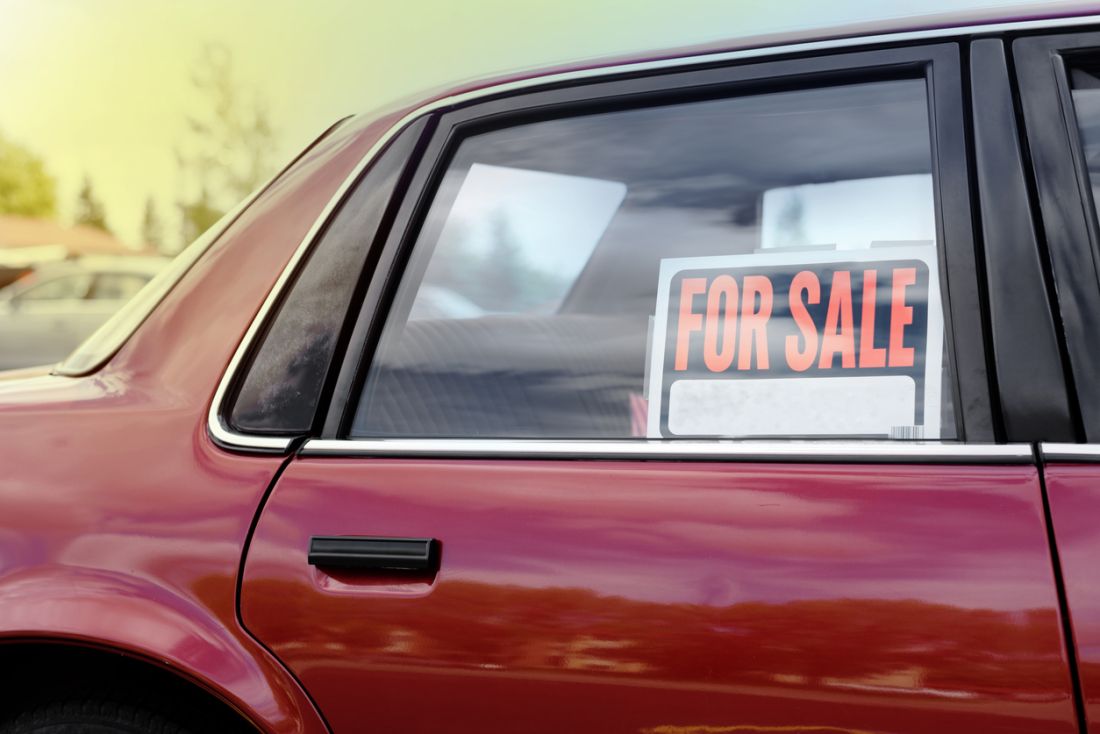
What to Do When Selling a Car
Selling a car can be a daunting process, but with the right steps and preparation, you can successfully sell your car and get the best price for it. Whether you're looking to upgrade to a new car or simply want to sell your old car, it's important to follow a few essential steps to ensure a smooth and successful sale. In this blog, we will guide you through the process of selling a car from start to finish, covering everything from preparing your car for sale to finalising the sale. By following these different ways, you'll be able to sell your car quickly, get the best price for it, and hand it over to a new owner with confidence.
1. Preparing Your Car for Sale
Before you put your car on the market, it's important to prepare it for sale. This involves ensuring its mechanical soundness and giving it a deep clean and detailing. By taking these steps, you can increase the value of your car and make it more appealing to potential buyers.
Ensuring Mechanical Soundness
When selling a car, it's crucial to ensure its mechanical soundness, which is the first step in the process. Start by checking the service history of your car and addressing any outstanding maintenance or repairs. This will give potential buyers confidence in the car's condition and help you fetch a better price. Additionally, make sure there is no outstanding finance on the car by obtaining a settlement letter from your finance company. Finally, have your car inspected by a professional to identify any mechanical issues that need to be addressed.
Deep Cleaning and Detailing
Deep cleaning and detailing your car is an essential step in preparing it for sale. A clean and well-maintained car not only looks more appealing to potential buyers but also gives the impression that it has been taken care of. Start by giving your car a thorough wash, both inside and out. Pay attention to the details, such as cleaning the windows, vacuuming the interior, and polishing the exterior. Consider getting professional detailing done to enhance the car's appearance further. By investing time and effort in deep cleaning and detailing, you can significantly increase the value of your car and attract more buyers.
2. Setting the Right Price
Setting the right price for your car is crucial to attract potential buyers and ensure a successful sale. It's essential to research the market value of your car and consider factors such as its condition, mileage, and the prices of similar cars in the market. By setting a competitive yet fair price, such as car prices, you can increase your chances of a quick sale.
Researching Market Value
To determine the market value of your car, start by researching the prices of similar cars in your area. Look at online listings, classified ads, and dealership prices to get an idea of what similar cars are selling for. Consider factors such as the car's make, model, year, mileage, and condition. Keep in mind that pricing your car too high may deter potential buyers, while pricing it too low may result in a loss. Aim for a price that is competitive yet fair, taking into account the current market conditions and the condition of your car.
Considering the Car's Condition and Mileage
When setting the price for your car, it's important to consider its condition and mileage. Cars in excellent condition with low mileage generally command higher prices than those in poor condition with high mileage. Be honest about any cosmetic or mechanical issues your car may have and adjust the price accordingly. Consider factors such as the age of the car, the regularity of maintenance, and any recent repairs or upgrades. By taking the car's condition and mileage into account, you can set a fair price that aligns with the market value and attracts potential buyers.
3. Managing Enquiries and Viewings
Once your car is prepared for sale and you have set the right price, you need to manage inquiries and viewings effectively. This involves screening potential buyers, scheduling viewings safely, and being prepared to answer common questions.
Screening Potential Buyers
When selling your car, it's important to screen potential buyers to ensure a smooth and hassle-free sale. Start by advertising your car on reputable platforms and websites, such as Auto Trader or Gumtree. Be wary of prospective buyers who show little interest or ask irrelevant questions. Consider using social media platforms to reach a wider audience but be cautious of scammers. Ask potential buyers specific questions about their interests and intentions to gauge their seriousness. By screening potential buyers, you can avoid time wasters and focus on genuine buyers who are genuinely interested in purchasing your car.
Scheduling Viewings Safely
When scheduling viewings for potential buyers, prioritise your safety. Arrange to meet potential buyers in a safe and public place, preferably during daylight hours. Provide your phone number for communication but avoid sharing personal or sensitive information. If possible, bring a friend or family member along to accompany you during the viewing. Allow potential buyers to inspect the car but accompany them during the test drive. By scheduling viewings safely, you can ensure a secure and comfortable experience for both parties involved.
Preparing for Common Questions
When selling your car, it's important to be prepared for common questions that potential buyers may ask. Here are some frequently asked questions and suggested responses:
Common Questions | Suggested Responses |
What is the lowest price you would accept for the car? | I am open to negotiation, but I have set a reserve price based on the market value and condition of the car. |
Are you open to a part exchange? | I am primarily looking for a private sale, but I am open to considering part-exchange offers. Please let me know the details of your car for evaluation. |
By preparing for common questions, you can provide clear and confident answers to potential buyers, increasing their trust and confidence in the transaction.
4. Conducting Safe and Effective Test Drives
Test drives are an important part of the car-selling process, allowing potential buyers to experience the car firsthand. It's essential to conduct test drives safely and efficiently to ensure a successful sale.
Verifying Driver's License and Insurance
Before allowing a potential buyer to test drive your car, it's important to verify their driver's license and insurance. Ask to see their valid driving license to ensure they are legally eligible to drive and have a driving licence. Additionally, request proof of insurance to ensure that you and the potential buyer are covered in case of any accidents or damages during the test drive. Verifying the driver's license and insurance provides a safety net for both parties involved and ensures a smooth and secure test drive.
Setting a Predetermined Route
To conduct an effective test drive, it's a good idea to set a predetermined route. Choose a route that includes a mix of roads, such as city streets, highways, and residential areas, to give the potential buyer a comprehensive experience of the car's performance. Make sure to consider road tax and any legal requirements while planning the route. By setting a predetermined route, you can maximise the test drive experience and provide potential buyers with a clear understanding of the car's capabilities.
5. Negotiating the Sale
Negotiating the sale of your car is an important step in achieving the best price. It's crucial to understand how to handle offers and close the deal with confidence.
Understanding How to Handle Offers
When receiving offers for your car, it's important to carefully consider each offer. Evaluate the buyer's offer based on the market value, the condition of the car, and your expectations. Be open to negotiation but also be aware of your bottom line. If the offer is too low, politely decline and wait for a better offer. If there is high demand for your car, you may have more leverage in negotiations. Ultimately, aim for a fair price that satisfies both you and the buyer.
Closing the Deal with Confidence
Closing the deal is the final step in selling your car. Once you have agreed on a price with the buyer, it's important to ensure a smooth and secure transaction. Consider the buyer's preferred payment method and provide the necessary details, such as your bank account information. Agree on a settlement figure, which includes any outstanding finance or loans on the car. Make sure to complete all necessary paperwork and transfer the ownership of the vehicle to the buyer. By closing the deal with confidence, you can finalise the sale and hand over your car to the new owner.
6. Finalising the Sale
Once you have closed the deal and received payment, it's time to finalise the sale by handling the payment securely and completing all necessary paperwork.
Handling Payment Securely
Handling payment securely is crucial to ensure a smooth transaction. If the buyer is paying in cash, count the money carefully and consider meeting at your bank to deposit the funds immediately. For bank transfers, provide your bank account details and confirm the receipt of payment before handing over the keys. Be cautious of personal or cashier's checks, as they can be forged. By using PayPal, a simple and quick way to pay for items bought online, you can protect yourself and complete the sale in a safe and hassle-free manner.
Completing Necessary Paperwork
Completing the necessary paperwork is an important part of finalising the sale. Provide the buyer with all relevant documents, including the V5C logbook, MOT certificates, and service history. Make sure to transfer the registration number and notify the DVLA of the change in ownership. Provide the buyer with the necessary paperwork to register the car in their name, including a wallet full of receipts and printouts showing the car's history. This printed record can show every year of the car's life and will be attractive to used car buyers. By having the correct documents ready, you can instil confidence in the car you're selling and ensure a successful sale.
Conclusion
Selling your car successfully requires attention to detail and thorough preparation. From ensuring mechanical soundness and deep cleaning to setting the right price and managing inquiries, each step plays a crucial role in a smooth sale process. Remember to prioritise your safety during viewings and negotiations, and handle paperwork securely for a hassle-free transaction. By following these essential steps with care and confidence, you can sell your car efficiently and effectively. If you have any questions or need further guidance, feel free to refer to our FAQs for additional support or get in touch with us today.
Frequently Asked Questions
How do I ensure my safety during the sale?
To ensure your safety during the sale, meet potential buyers in a public place or bring a third party with you. Choose a safe environment for viewings and test drives. Avoid sharing personal information and ensure that the meeting place is secure and well-populated.
Can I sell my car if it’s still under finance?
Yes, you can sell your car if it's still under finance. Contact your finance company to obtain a settlement letter and fulfil any legal requirements. You can either pay off the outstanding finance or transfer it to the new owner. Consider discussing the options with your finance company or exploring part exchange deals.
What are some red flags to watch out for in buyers?
When dealing with potential buyers, watch out for red flags such as overly low offers, pushy behaviour, or reluctance to provide personal information. Trust your gut feeling and be cautious of any warning signs that indicate a potential scam or dishonesty.
How do I handle the paperwork and legal requirements?
To handle paperwork and legal requirements, make sure to transfer the registration number and notify the DVLA of the change in ownership. Fulfil any necessary administrative requirements and provide the buyer with the relevant paperwork. Ensure that all legal obligations are met to smoothly transition the car to the new owner.