
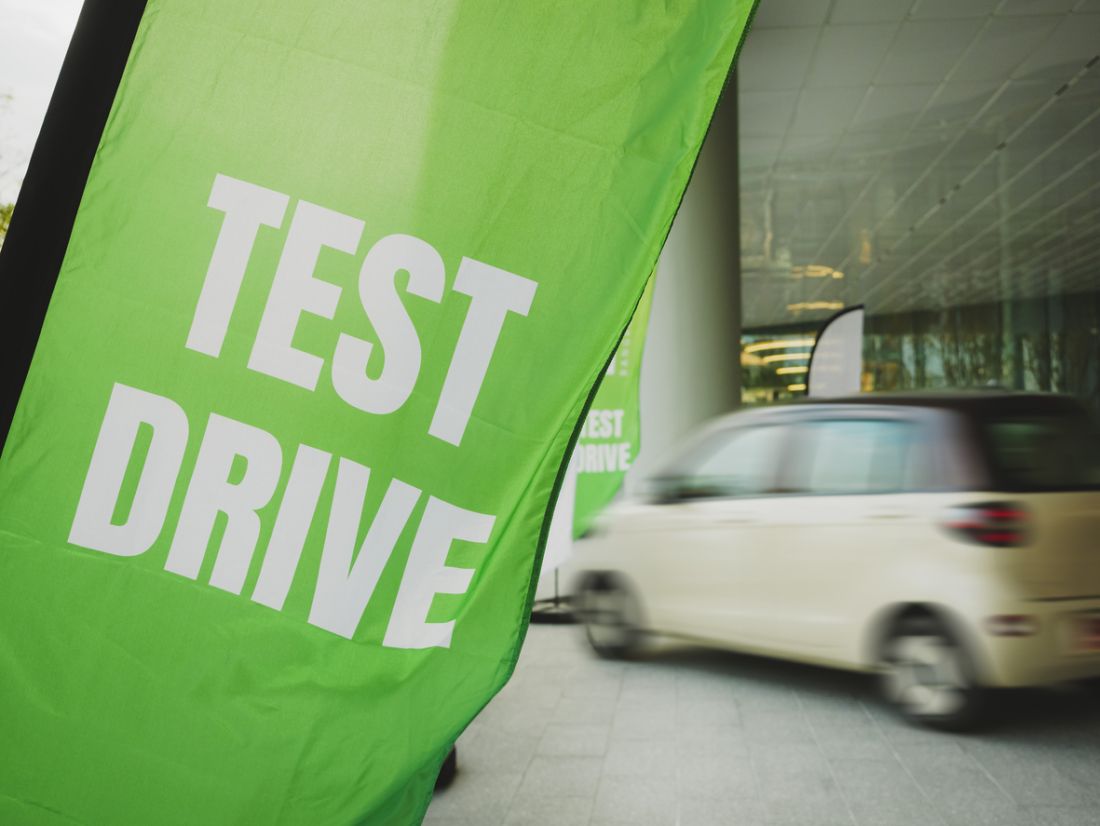
How to Test Drive a Used Car
Buying a used car can be an exciting and cost-effective option, but it's important to ensure that you're making a wise investment. One of the most crucial steps in the buying process is test driving the car. A test drive allows you to get a feel for the car's performance, comfort, and overall condition before making a decision.
Whether you're buying from a dealership or a private seller, a test drive is an opportunity to inspect the vehicle and ensure that it meets your requirements. You'll want to check for any issues or defects that may not be apparent from a simple visual inspection. Additionally, a test drive gives you the chance to assess how the car drives, how comfortable it is, and if it suits your driving style.
In this comprehensive guide, we will walk you through the process of test driving a used car. From preparing for the test drive to evaluating the car's safety features, we will cover everything you need to know to make an informed decision. So, let's dive in and learn how to test drive a used car like a pro!
Understanding the Importance of a Test Drive
Before we delve into the details of test driving a used car, let's take a moment to understand why it is so important. A test drive is not just a formality; it is an opportunity to evaluate the car and ensure that it meets your expectations. Even if you have done extensive research and read numerous reviews, nothing can replace the experience of actually driving the car.
Test driving a used car is particularly crucial because it allows you to assess its condition and performance firsthand. While a new car may come with certain assurances, a used car can have hidden issues that may only become apparent during a test drive. So, whether you're a first-time buyer or an experienced car owner, a test drive is always a good idea when considering a used car.
Why Test Driving a Used Car is Crucial
Test driving a used car is crucial for several reasons. Firstly, it allows you to assess the car's condition. A visual inspection can only reveal so much, but a test drive can uncover any underlying mechanical issues or performance problems. It gives you the opportunity to listen for any unusual noises, check the acceleration, and test the brakes.
Secondly, a test drive gives you the chance to evaluate the car's suitability for your specific needs. For example, if you're looking for a family car, you can test how comfortable it is for your family members, including child seats. If you're considering a diesel car, you can see how it performs in terms of fuel efficiency and power.
Overall, test driving a used car is crucial to ensure that you're making an informed decision. It allows you to assess the car's condition, performance, and suitability for your needs. So, always make it a priority during the buying process.
Common Mistakes to Avoid During a Test Drive
When test driving a used car, it's important to avoid some common mistakes that can lead to regrets later on. One mistake to avoid is getting too attached to the first car you test drive. While it may seem like a great option, it's always a better idea to test drive multiple cars to compare their performance and features.
Another mistake is only driving the car in a straight line. It's important to test the car's manoeuvrability and handling by taking it through curves and corners. Additionally, don't be afraid to push the car a little bit to see how it responds in different driving conditions.
Remember, a test drive is your opportunity to thoroughly evaluate the car, so take your time and don't rush the process. By avoiding these common mistakes, you can make a more informed decision and find the right used car for your needs.

Preparing for Your Test Drive
Before you head out for a test drive, it's important to make sure you're prepared. This includes bringing the necessary documents and paperwork with you. Make sure to have a valid driving license that allows you to operate the vehicle legally.
In addition, if you're test driving a car from a dealership, there may be certain paperwork or forms that need to be filled out. It's always a good idea to check with the dealership beforehand to ensure you have everything you need.
By being prepared and organised, you can make the most out of your test drive and have a smooth experience at the dealership.
What You Need to Bring
When heading out for a test drive, there are a few essential items that you should bring with you. Here's a checklist of what you'll need:
- Valid driving license: This is a must-have as you'll need it to legally operate the vehicle during the test drive.
- Paperwork: If you're test driving a car from a dealership, make sure to bring any necessary paperwork or forms that may be required.
- Insurance: While some dealerships may provide insurance coverage for test drives, it's always a good idea to check with your insurer to see if your policy covers test drives of other vehicles. If not, consider purchasing temporary coverage for the test drive.
- Questions: Don't forget to bring a list of questions you want to ask the seller or dealership about the car. This will help ensure that you gather all the necessary information during the test drive.
By bringing these items, you'll be well-prepared for the test drive and can make the most out of your experience.
Scheduling Your Test Drive Appointment
Once you've found a used car that you're interested in, it's time to schedule a test drive appointment. Contact the dealership or seller and let them know that you're interested in test driving the car. They will work with you to find a convenient time for both parties.
When scheduling your test drive appointment, it's important to consider a few factors. Firstly, make sure to allocate enough time for the test drive so that you can thoroughly evaluate the car. It's recommended to allow around 90 minutes for the entire process, including the test drive and any discussions afterwards.
Additionally, try to schedule the test drive during daylight hours so that you have optimal visibility. This will allow you to inspect the car more effectively and identify any potential issues.
By scheduling your test drive appointment in advance, you can ensure that you have dedicated time to evaluate the car and make an informed decision.

6 Steps On How to Test Drive and Check a Used Car
If you're new to test driving a used car, don't worry! This beginner's guide will walk you through the process step by step. From inspecting the car's exterior to examining the interior, we've got you covered.
A test drive involves more than just getting behind the wheel and driving. It's important to thoroughly evaluate the car's condition, features, and overall performance. By following this guide, you'll be able to make a confident decision and find the perfect used car for your needs.
Step 1: Exterior Inspection
The first step in test driving a used car is to inspect the exterior. This involves checking for any defects, dents, or damage that may affect the car's appearance or performance. Here's a checklist of what to look for during the exterior inspection:
- Defects: Look for any visible defects such as scratches, rust, or paint chips. These can indicate poor maintenance or previous accidents.
- Dents: Check for any dents or dings on the body of the car. While minor dents are common, excessive damage may affect the car's value and performance.
- Mileage: Take note of the mileage on the odometer. Higher mileage may indicate that the car has been heavily used and may require more maintenance in the future.
- SUV: If you're test driving an SUV or a vehicle with higher ground clearance, check the underside for any signs of damage or wear.
By thoroughly inspecting the car's exterior, you can get a better understanding of its condition and identify any potential issues before the test drive.
Defects | Look for scratches, rust, or paint chips |
Dents | Check for dents or dings on the body of the car |
Mileage | Take note of the mileage on the odometer |
SUV | Inspect the underside for signs of damage or wear |
Step 2: Interior Examination
Once you've completed the exterior inspection, it's time to move on to the interior examination. Here's what you should focus on during this step:
- Visibility: Check the visibility from the driver's seat. Ensure that you have a clear view of the road and all the necessary mirrors are properly adjusted.
- Child Seats: If you have children or plan to use child seats, make sure to test the compatibility of the car with your seats. Check if there are proper anchor points and enough space to accommodate the seats.
- Infotainment System: Test the functionality of the infotainment system, including features like Apple CarPlay and Android Auto. Make sure it is easy to use and meets your connectivity needs.
- Interior Comfort: Sit in each seat and evaluate the comfort level. Pay attention to the quality of the materials, seat support, and overall ergonomics.
By thoroughly examining the interior, you can ensure that the car is comfortable and meets your needs in terms of visibility, child seat compatibility, and technology features.
Step 3: Engine Check
Next, it's time to check under the bonnet and inspect the engine. Here's what you should focus on during the engine check:
- Engine Condition: Inspect the engine bay for any signs of leaks, loose belts, or worn-out components. Look for any unusual smells or smoke.
- Fluid Levels: Check the fluid levels, including coolant, brake fluid, and oil. Ensure that they are at the correct levels and look for any signs of contamination.
- Mileage: Take note of the mileage on the odometer and consider it in relation to the age of the car. Higher mileage may indicate more wear and tear on the engine.
- Fuel Type: Determine whether the car runs on petrol or diesel. Consider your preferences and the availability of fuel options in your area.
By examining the engine and checking the fluid levels, you can gain insight into the car's mechanical condition and make an informed decision about its performance and maintenance needs.
Step 4: On the Road - Starting the Test Drive
Now comes the exciting part - the actual test drive! Before you hit the road, make sure to familiarise yourself with the car's controls, including the steering wheel, pedals, and gearshift.
Start the test drive by driving the car in a straight line at low speeds. This will allow you to get a feel for the car's acceleration, braking, and handling. Pay attention to how the car drives and if it feels smooth and responsive.
During this initial phase of the test drive, focus on getting comfortable with the car and ensuring that it operates as expected. Once you're confident with the car's performance, you can move on to evaluating the driving experience in more detail.
Step 5: Assessing the Driving Experience
After you've driven the car in a straight line, it's time to assess the driving experience in more detail. Here are some key aspects to consider:
- Suspension: Pay attention to how the car's suspension handles bumps and uneven road surfaces. A smooth and comfortable ride is important for long-term satisfaction.
- Steering: Evaluate the responsiveness and precision of the steering. It should feel accurate and easy to control, allowing you to navigate corners and turns with confidence.
- Pedals: Test the pedals, including the accelerator, brake, and clutch (if applicable). They should be responsive and comfortable to use.
- Clutch: If the car has a manual transmission, pay attention to the clutch engagement and smoothness. It should engage smoothly and without any slippage or jerking.
By assessing the driving experience, you can determine if the car feels comfortable, handles well, and meets your expectations in terms of suspension, steering, pedals, and clutch.
Step 6: Parking and Maneuverability Tests
As you near the end of the test drive, it's important to test the car's parking and manoeuvrability abilities. Here's what you should focus on:
- Parking: Find a suitable parking spot and test how easy it is to park the car. Pay attention to the visibility, turning radius, and ease of manoeuvring in tight spaces.
- Manoeuvrability: Test the car's manoeuvrability by performing tight turns and U-turns. Evaluate how the car responds and if it feels nimble and easy to control.
- Smaller Wheels: If the car has smaller wheels, test how it handles uneven surfaces and speed bumps. Smaller wheels can sometimes result in a less comfortable ride.
By performing parking and manoeuvrability tests, you can ensure that the car is easy to park and manoeuvre in various situations. This is especially important if you frequently drive in urban areas or have to navigate tight spaces.
What to Listen for During a Test Drive
While test driving a used car, it's important to listen for any unusual noises that could indicate potential issues. Here are a few key areas to pay attention to:
- Suspension: Listen for any rattling, clunking, or squeaking noises when driving over bumps or rough roads. These could indicate problems with the suspension.
- Tyres: Pay attention to any unusual noises from the tyres, such as excessive road noise or vibrations. This could be a sign of alignment or tyre wear issues.
- Clutch and Gearbox: Listen for any grinding or unusual sounds when shifting gears or engaging the clutch. These could indicate transmission problems.
- Sound System: Test the sound system to ensure that all speakers are working properly and that there are no distortions or static noises.
By listening for unusual noises and checking the sound system, you can identify any potential issues and ensure that the car is in good working condition.
Safety Checks and Features to Evaluate
Ensuring the safety of a used car is of utmost importance. During the test drive, it's crucial to evaluate the following safety checks and features:
- Braking System: Test the braking system to ensure that it is responsive, smooth, and provides adequate stopping power. Listen for any unusual noises or vibrations during braking.
- Lights and Signals: Check that all exterior lights, including headlights, taillights, and turn signals, are working properly. Ensure that the signals engage and disengage smoothly.
- Safety Features: Verify the functionality of any safety features, such as ABS, traction control, or lane departure warning. Make sure they are working as intended.
By evaluating these safety checks and features, you can ensure that the used car meets your safety standards and provides peace of mind on the road.
Braking System Evaluation
The braking system is one of the most critical safety features in any car. During the test drive, it's important to evaluate the braking system to ensure its functionality and performance. Here's what to consider:
- Brake Pedal Feel: Pay attention to the feel of the brake pedal. It should have a firm and responsive action. A spongy or excessively soft pedal may indicate issues with the brakes.
- Stopping Power: Test the braking system at different speeds and evaluate the stopping power. The car should come to a smooth stop without any pulling or vibrations.
- ABS Functionality: If the car is equipped with an anti-lock braking system (ABS), test its functionality by braking hard and ensuring that the ABS engages as intended.
By evaluating the braking system, you can ensure that it is in good working condition and provides the necessary safety during your drive.
Checking the Lights and Signals
Properly functioning lights and signals are essential for safe driving. During the test drive, it's important to check all exterior lights and signals to ensure their functionality. Here's what you should do:
- Headlights and Taillights: Turn on the headlights and taillights to ensure that they are working properly. Check for any dim or flickering lights.
- Turn Signals: Engage the turn signals and make sure they engage and disengage smoothly. Verify that the indicator lights on the dashboard are working correctly.
- Brake Lights: Test the brake lights by pressing the brake pedal. Ensure that the brake lights illuminate brightly and quickly.
- Hazard Lights: Activate the hazard lights to ensure that they are functioning properly and that all lights are flashing.
By checking the lights and signals, you can ensure that your car is visible to other drivers and that you can communicate your intentions effectively on the road.

After the Test Drive
After the test drive, take the time to review your experience and gather any additional information you may need. Here's what to consider:
- Review the Test Drive: Reflect on your experience during the test drive. Consider how the car performed, its comfort, and whether it met your expectations.
- Ask Questions: If you have any remaining questions or concerns, reach out to the seller or dealership. Ask about warranty, MOT history, paperwork, mileage, and any other relevant details.
By reviewing your test drive and gathering additional information, you can make a well-informed decision about the used car and proceed with confidence.
Reviewing Your Test Drive Experience
Reviewing your test drive experience is an important step in the buying process. Here are a few points to consider:
- First Car: If this is your first car, reflect on whether the car feels suitable for your needs and driving experience.
- Condition: Assess the overall condition of the car based on your observations during the test drive. Consider any defects, dents, or issues that may impact your decision.
- Practicality: Evaluate the car's practicality by considering factors such as storage space, seating capacity, and the ability to accommodate items like golf clubs or luggage.
By reviewing your test drive experience, you can gain valuable insights into whether the used car is a good fit for you and meets your specific requirements.
Questions to Ask the Seller or Dealership
Asking the right questions is vital when buying a used car. Here are some key questions to ask the seller or dealership:
- Warranty: Inquire about any remaining warranty on the car and what it covers.
- MOT History: Ask for the car's MOT history and check if any advisories were issued.
- Paperwork: Request to see important paperwork, such as the V5C and service history.
- Salespeople: If buying from a dealership, ask about the salespeople's experience and qualifications.
- Mileage: Confirm the accuracy of the mileage and ask about any previous mileage discrepancies.
By asking these questions, you can gather important information about the car's history, condition, and any additional warranties or guarantees.
Conclusion
Don't overlook the importance of a thorough test drive when considering a used car purchase. By following the steps outlined in this guide, you can ensure a comprehensive evaluation of the vehicle's condition and performance. Remember to pay attention to both the exterior and interior features, as well as how the car drives on the road. After your test drive, take time to review your experience and ask any necessary questions to make an informed decision. If you need further assistance or have additional inquiries, feel free to get in touch for expert advice. Happy car hunting!
Frequently Asked Questions
What should I look for during a test drive?
Look for signs of wear and tear, unusual noises, vibrations, and any dashboard warning lights. Pay attention to the engine's performance, brakes, steering, and suspension.
How long should the test drive be?
Aim for at least 20-30 minutes to thoroughly evaluate the car's performance in various conditions like city driving, motorway speeds, and parking manoeuvres.
Can I take the car to a mechanic for inspection during the test drive?
It's highly recommended to have a pre-purchase inspection by a trusted mechanic before finalising the purchase. However, if the seller allows, you can take the car to a mechanic during the test drive to get their opinion.
Should I test drive at different times of the day?
Yes, if possible, try to test drive the car during different times of the day to assess its performance in different lighting and traffic conditions.
Can I test drive on different road types?
Absolutely. Test driving on city streets, motorways, and even rough roads (if safe and permitted) can give you a better understanding of how the car handles in various environments.
Should I bring someone with me during the test drive?
Having a second opinion can be helpful. They may notice things you overlook and can provide valuable feedback. Plus, it's safer to have someone else along during the test drive.
What paperwork should I bring for the test drive?
Bring your driver's license and proof of insurance. Some sellers may also ask you to sign a liability waiver before allowing you to test drive the car.
Can I negotiate the price based on what I discovered during the test drive?
Yes, if you notice any issues or concerns during the test drive, you can use them as leverage during price negotiations. Additionally, if the car needs any repairs or maintenance, you can factor those costs into your offer.
Is it okay to ask for a longer test drive?
It's reasonable to ask for a longer test drive, especially if you want to thoroughly evaluate the car's performance. However, respect the seller's time and be upfront about your intentions.
What if I'm not comfortable with the test drive conditions?
If you're not comfortable with the test drive conditions or if something doesn't feel right, don't hesitate to voice your concerns or even walk away from the deal. Your safety and peace of mind are paramount.