

What are the advantages and disadvantages of electric cars?
Electric cars have become increasingly popular in recent years due to their environmental benefits and cost-saving potential. With the recent UK ban on petrol and diesel cars by 2035, many drivers are considering making the switch to electric cars or plug-in hybrid cars. This ban is part of the government's efforts to reduce air pollution and greenhouse gas emissions. By switching to electric cars, drivers can significantly reduce their carbon footprint and help protect the environment.
While electric cars have several advantages, there are also some drawbacks to consider. In this blog, we will explore the advantages and disadvantages of electric cars to help you make an informed decision about whether an electric car is suitable for you.
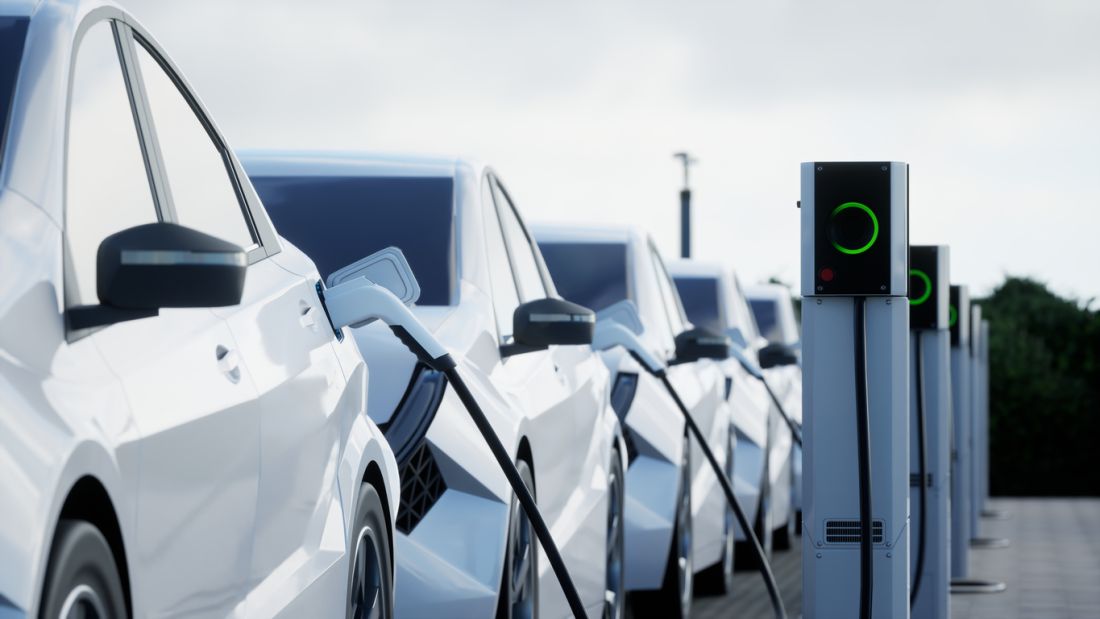
1. Advantage: Environmental Impact
One of the significant advantages of electric cars is their positive environmental impact. Electric vehicles produce zero emissions, which means they do not release harmful pollutants such as carbon dioxide and nitrogen oxide into the atmosphere. By driving an electric car, you can significantly reduce your carbon footprint and contribute to cleaner air and a healthier environment. Electric cars also promote the use of renewable energy sources, as they can be charged using electricity generated from renewable sources such as solar or wind power. This further reduces the reliance on fossil fuels and helps combat climate change.
2. Advantage: Lower Operating Costs
Another advantage of electric cars is their lower operating costs. Electric vehicles have lower fuel costs compared to petrol or diesel cars. Charging an electric car costs significantly less than filling up a petrol or diesel tank, especially as fuel prices continue to rise. Electric cars also require less maintenance compared to traditional vehicles with internal combustion engines. They do not require oil changes or frequent part replacements, resulting in long-term cost savings for owners. Overall, electric cars offer a more cost-effective alternative to traditional petrol or diesel vehicles.
3. Advantage: Tax Credits and Incentives
Owning an electric car comes with the advantage of tax credits and incentives provided by the government. Many countries offer tax credits or financial incentives to encourage the adoption of electric vehicles. These incentives can significantly reduce the initial purchase price of an electric car, making them more affordable for consumers. In addition to tax credits, some governments also offer financial incentives such as grants or subsidies for purchasing electric vehicles. These incentives not only make electric cars more accessible but also contribute to the overall cost savings associated with owning an electric vehicle.
4. Advantage: High Performance
Electric vehicles are known for their high-performance capabilities. The instant torque provided by electric motors allows for quick acceleration and a smooth driving experience. Electric cars can deliver power to the wheels more efficiently compared to traditional combustion engine vehicles, resulting in a responsive and exhilarating driving experience. Many electric vehicles also offer advanced features and technologies that enhance their performance, such as regenerative braking systems and intelligent battery management systems. With their high-performance capabilities, electric cars provide a new level of excitement and enjoyment for drivers.
5. Advantage: Reduced Noise Pollution
Electric cars contribute to the reduction of noise pollution in urban areas. Unlike traditional petrol or diesel cars, electric vehicles do not have internal combustion engines, which are a major source of noise pollution. Electric motors generate much less noise, resulting in a quieter driving experience. This not only benefits the driver and passengers but also improves the overall quality of life for people living in urban areas. Reduced noise pollution can lead to less stress and a more peaceful environment. Electric cars offer a more serene and enjoyable driving experience, free from the noise of internal combustion engines.
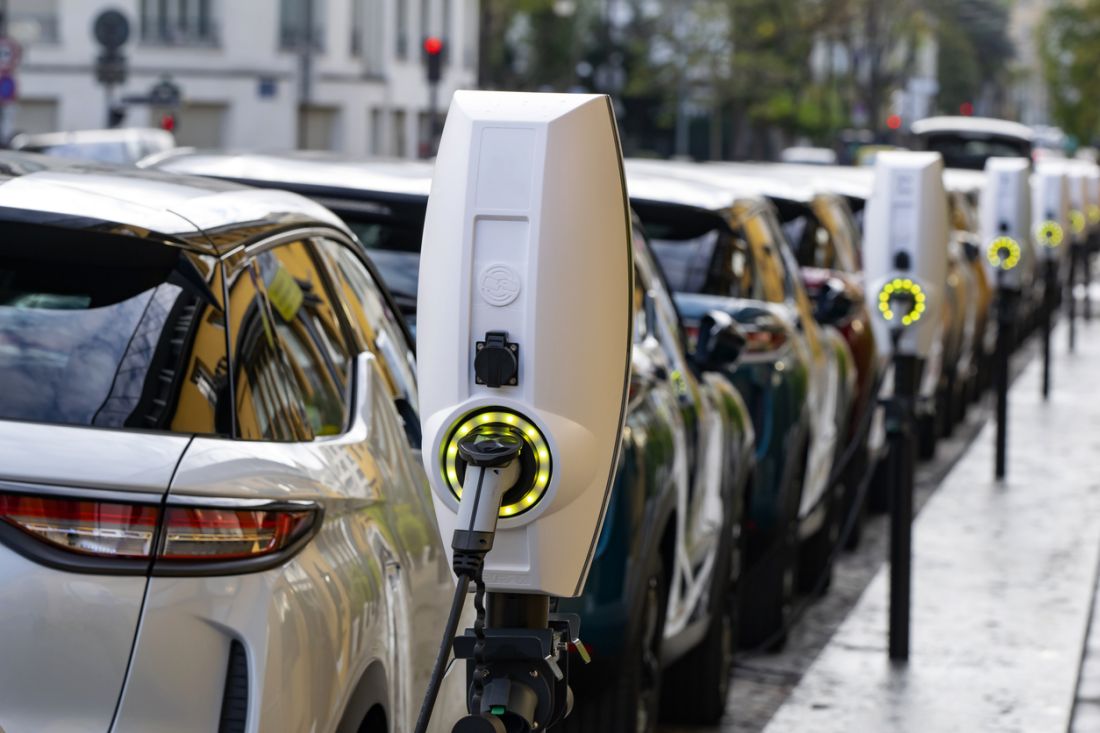
1. Disadvantage: Initial Purchase Price
One of the main disadvantages of electric cars is the higher initial purchase price compared to traditional petrol or diesel vehicles. Electric cars typically have a higher upfront cost due to the cost of battery packs. The battery pack is one of the most expensive components of an electric car, contributing to the overall price. However, it's important to consider the long-term cost savings associated with owning an electric car, such as lower fuel costs and reduced maintenance expenses. While the initial purchase price may be higher, the overall cost of ownership can be lower for electric vehicles.
2. Disadvantage: Charging Infrastructure
Charging infrastructure is another disadvantage of electric cars. While there has been significant progress in expanding the charging network, there are still fewer charging stations compared to petrol stations. This can make it challenging to find a charging point, especially in rural areas or during peak times when there is high demand. Additionally, charging an electric car takes longer compared to refuelling a petrol or diesel car. Fast-charging stations are available, but they are not as widespread as standard charging points. This limited charging infrastructure can be a barrier for some drivers, especially those who frequently travel long distances or rely on public charging points.
3. Disadvantage: Range Anxiety
Range anxiety is a common concern among electric vehicle owners. Range anxiety refers to the fear of running out of battery power while driving, especially when travelling long distances. While the range of electric cars has improved in recent years, it can still be a concern for drivers who rely on their vehicles for long trips or have limited access to charging infrastructure. However, it's essential to consider your daily driving habits and the available charging options in your area. With careful planning and access to charging points, range anxiety can be mitigated. The introduction of longer-range electric vehicles and the expansion of the charging network are also helping to address this concern.
4. Disadvantage: Battery Replacement Costs
Battery replacement costs are a potential disadvantage of owning an electric car. As the technology of electric vehicles continues to evolve, so does the cost of the battery. While most electric vehicle batteries are designed to last for many years, they will eventually degrade and need to be replaced. The cost of replacing an electric vehicle battery can be expensive, depending on the model and type of car. This cost should be factored in when considering the long-term ownership costs of an electric vehicle. However, advancements in battery technology and increased production volumes are expected to reduce battery costs in the coming years.
5. Disadvantage: Limited Model Options
In the early years of electric vehicles, there were limited model options available on the market. However, in recent years, the number of electric car models has significantly increased, providing consumers with more choices. This trend is expected to continue as the demand for electric vehicles grows. While the range of electric car models has expanded, it is still more limited compared to traditional petrol or diesel vehicles. However, as technology advances and more automakers invest in electric vehicle production, the availability of electric car models is expected to increase. Consumers now have a wider range of options when considering an electric car.
Conclusion
In conclusion, electric cars offer a range of advantages such as environmental benefits, lower operating costs, and tax incentives. However, challenges like initial purchase price and charging infrastructure need addressing but with advancements in battery tech and expanding charging networks, the future looks promising for electric vehicles. If you're considering going electric, weigh the pros and cons based on your needs and driving habits. Embracing this eco-friendly transport option can lead to a cleaner, greener future for all.
Frequently Asked Questions
What are the advantages of using electric cars?
Electric cars are environmentally friendly and produce zero emissions, reducing air pollution and greenhouse gases. They are also cheaper to operate and maintain than traditional cars due to lower fuel and maintenance costs. Additionally, electric cars offer a smooth and quiet driving experience.
How long do EV batteries last?
The lifespan of electric vehicle batteries varies depending on several factors, including usage, charging habits, and battery technology. On average, electric vehicle batteries can last around 10-20 years and up to 150,000 miles. However, it's important to note that battery degradation over time will impact driving range and may require battery replacement, which can be expensive. The actual lifespan of an electric vehicle battery can vary based on individual driving habits and conditions.
Can electric cars be charged at home?
Yes, electric cars can be charged at home. Home charging is a convenient option for electric vehicle owners who have access to a charging station or wall box installed at their residences. Home charging allows for overnight charging, ensuring that the vehicle is fully charged and ready to go in the morning. By plugging the electric vehicle into a charging station at home, owners can enjoy the convenience of having a full charge without the need to visit public charging stations.
Are there any government incentives or rebates available for purchasing an electric car?
Yes, many governments offer incentives and rebates for purchasing electric vehicles. These incentives can include tax credits, financial incentives, and subsidies aimed at reducing the upfront cost of electric cars. Governments provide these incentives to encourage the adoption of electric vehicles and promote a transition to cleaner transportation options. By taking advantage of these incentives, consumers can make electric cars more affordable and contribute to reducing the environmental impact of transportation.
What are some of the limitations or challenges associated with owning an electric car?
Owning an electric car comes with certain limitations and challenges. These include the availability and accessibility of charging infrastructure, range anxiety, higher initial purchase prices compared to traditional vehicles, potential battery replacement costs, and limited model options. It's essential for potential electric vehicle owners to consider these factors and determine if the benefits of owning an electric car outweigh these limitations.