
What is aquaplaning and how to avoid it?
Key Highlights
- Aquaplaning happens when a layer of water forms between your tyres and the road, causing a loss of traction.
- Several factors contribute to aquaplaning, including speed, tyre tread depth, water depth, and tyre condition.
- Recognising the signs of aquaplaning, such as a light steering wheel or the car drifting, is crucial for regaining control.
- If you experience aquaplaning, avoid sudden braking or steering; instead, ease off the accelerator and maintain a straight course.
- Regular tyre maintenance, adjusting driving speed to weather conditions, and being aware of potential hazards like puddles can help prevent aquaplaning.
What is Aquaplaning?
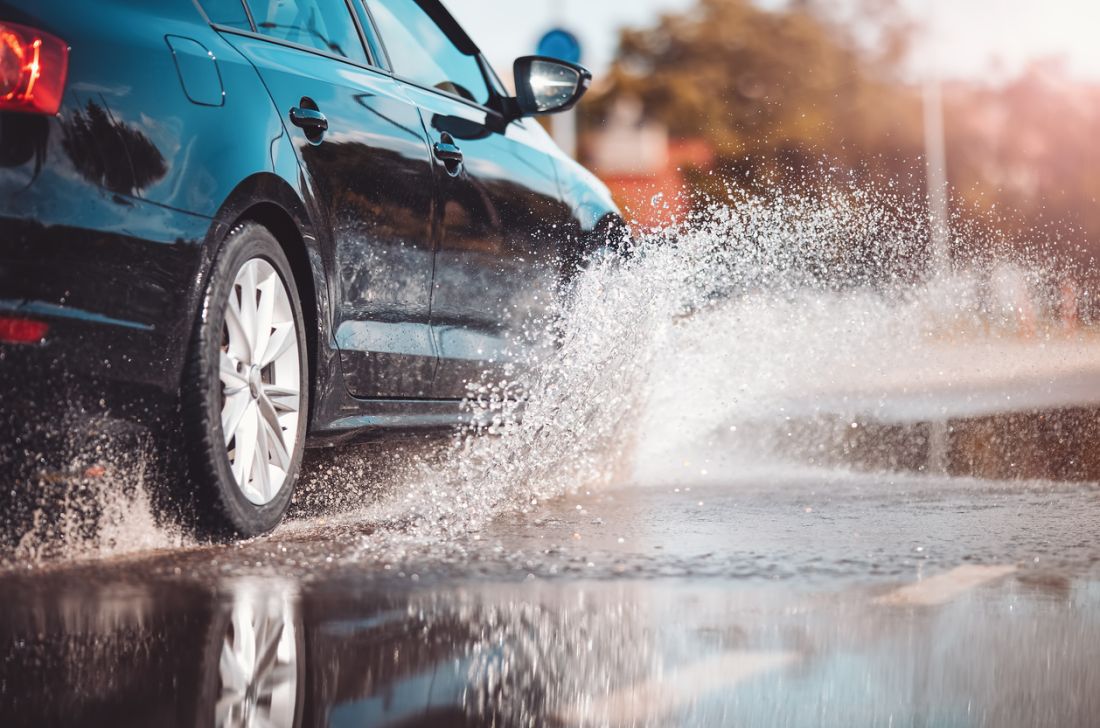
Imagine driving on a wet road after heavy rain. As you speed up, your tyres find it hard to push the extra water away. Suddenly, you feel the car slip, almost like it's gliding on a thin layer of water. This moment is what we call aquaplaning.
Aquaplaning happens when a layer of water builds up between your tyres and the road surface. This creates a dangerous loss of control as the water acts like a barrier, reducing the contact patch where the rubber meets the road. Because of this, you have less control to steer, brake, and speed up. This can lead to skidding or even spinning out of control.
Aquaplaning vs. Hydroplaning
People often use the words 'aquaplaning' and 'hydroplaning' to mean the same thing. Both describe losing control because of surface water. No matter which term you use, the effect on drivers is the same. There is less control over the vehicle.
However, 'hydroplaning' is more popular in aviation. It describes when a plane is skimming over water. This is different since how a plane takes off or lands on water is not exactly the same as a car on a wet road.
Both words remind us to understand how vehicles react to water on the road. Heavy rainfall can create large puddles, and even light rain can cause wet conditions. It is crucial for safe driving to know the risks of aquaplaning or hydroplaning.
Recognising the Signs of Aquaplaning
Knowing if your car is losing grip on wet roads is important for safe driving. The signs can be easy to miss, so you need to pay close attention. Here are some main signs that your car might be aquaplaning.
Key Indicators
- Light Steering: One of the first signs is when your steering wheel feels suddenly light. As the front tyres lose grip, the steering can seem very responsive or even unclear.
- Engine Noise: A loud engine, especially with a sudden increase in revs, can mean that your wheels are spinning and losing touch with the wet road surface.
- Drifting Sensation: If your vehicle feels shaky, mainly from the back, or if it starts drifting or swerving without you wanting it to, this could be a serious sign of aquaplaning.
What To Do When Aquaplaning
- Stay Calm: If you panic, you will move uncontrollably, making things worse. Take a deep breath and try to focus on getting back in control.
- Ease off the Accelerator: Pressing the accelerator will make the skid worse. Slowly take your foot off the pedal to reduce speed.
- Avoid Sudden Movements: Don’t hit the brakes hard or turn sharply. Doing this can lead to more loss of control.
- Steer into the Skid: If your car starts to skid, turn in the direction of the skid. This may feel strange, but it can help you regain control as the tyres find traction.
What Causes Aquaplaning?
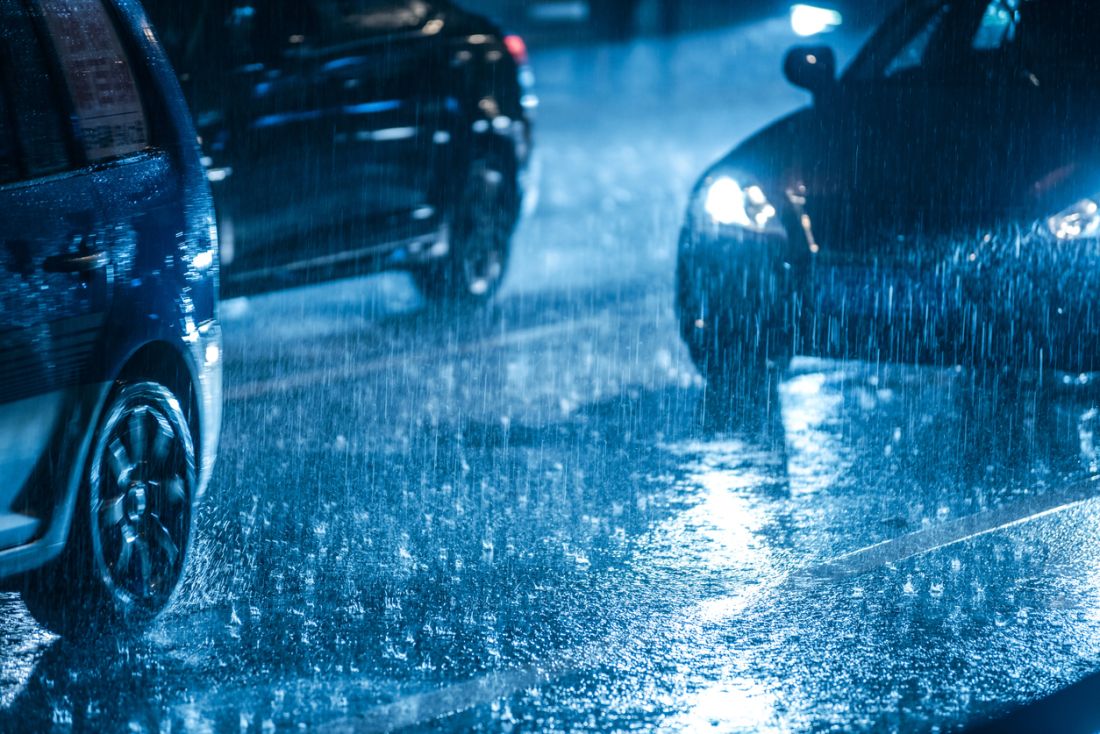
Water on the road is key for aquaplaning to happen. However, many things can affect how likely and how serious aquaplaning might be. Knowing these factors can help drivers decide better and reduce their risk.
How Speed Influences Aquaplaning Risk
Speed is very important when it comes to aquaplaning. When you drive fast, your tyres have less time to push away the water between the rubber and the road surface. This shorter time leads to a thicker layer of water, which makes aquaplaning more likely. Even on slightly wet roads, driving too fast can be very risky.
That’s why it’s vital to slow down in wet weather. By doing this, you help your tyres clear the water better, which helps them keep a good grip on the road. Always remember that it's better to drive slowly and arrive at your destination safely than to risk driving at speeds that could cause serious loss of control.
The Role of Tyre Tread Depth and Water Depth
Your tyres are your vehicle’s only point of contact with the road. The tread depth of your tyres, along with the depth of the water on the road, is critical in determining your susceptibility to aquaplaning.
Tyre tread, with its grooves and channels, acts like a miniature drainage system, displacing water and maintaining grip. Worn tyres, those with minimal tread depth, struggle to displace water effectively. This leads to a higher chance of aquaplaning, even at relatively low speeds.
Here’s a quick look at how tread depth affects your stopping distance in wet conditions:
Tyre Tread Depth | Stopping Distance at 50mph (Dry) | Stopping Distance at 50mph (Wet) |
New Tyre (8mm) | 36 metres | 53 metres |
3mm | 43 metres | 67 metres |
Legal Limit (1.6mm) | 50 metres | 80 metres |
This table shows that as your tyre tread wears down, your stopping distance in wet weather increases dramatically. Having sufficient tread depth is vital for safe driving, especially in wet conditions. Remember, the legal limit is the bare minimum, and it’s always safer to replace your tyres before they reach this point.
Aquaplaning Myths vs. Facts
Aquaplaning is a common problem for drivers, especially in wet weather. Many people have misconceptions about aquaplaning. These misunderstandings can lead to poor choices and unsafe driving.
One myth is that only fast cars with wide tyres can aquaplane. The truth is that any vehicle can aquaplane if the right conditions are present.
Another common belief is that keeping high tyre pressure will stop aquaplaning. While it’s important to have the right tyre pressure for safety and performance, just increasing it won't eliminate the risks of aquaplaning. The key to preventing it is having good tread depth as the tread helps reduce any pressure build-up under the tyre.
Four Tips to Help Avoid Aquaplaning
Now that we know the dangers and causes of aquaplaning, let's look at some useful tips. These tips can help reduce risks and make driving in wet weather safer.
1. Be Aware of The Conditions
Before you start your engine, pay attention to the weather and road conditions. Check if it has rained a lot lately. Look for large puddles on the road. Remember, it’s better to be prepared. Here’s what to keep in mind:
- Heavy Rain: Try to avoid driving during or right after heavy rain. If you must drive, be very careful.
- Standing Water: Be aware of puddles, especially on roads that do not drain well.
- Time of Day: Be extra cautious at night or early in the morning. Visibility is low, and water on the road may be hard to see.
2. Watch Your Speed
Remember how speed can lead to aquaplaning? Going slower is one of the best ways to reduce your risk. This small change helps your tyres stay in touch with the road surface, even in wet conditions. In addition, always keep a safe distance between your vehicle and the car ahead.
Also, try to avoid sudden movements. Use smooth and steady steering, acceleration, and braking instead. Harsh braking or quick lane changes can make your vehicle unsteady and increase the chance of skidding on a wet surface.
3. Keep Your Tyres in Good Condition
Your tyres are the first way to protect against aquaplaning. You should check their condition often and make sure they are well-maintained. In the UK, the law says the minimum tread depth for tyres is 1.6mm. However, experts suggest replacing your tyres when they reach 3mm to perform well in wet weather.
When you check your tyre tread depth, don’t only look at the front tyres. They can wear unevenly, so it’s important to check all four tyres as the rear tyres help keep your car stable, especially when turning corners.
4. Motorway Practices
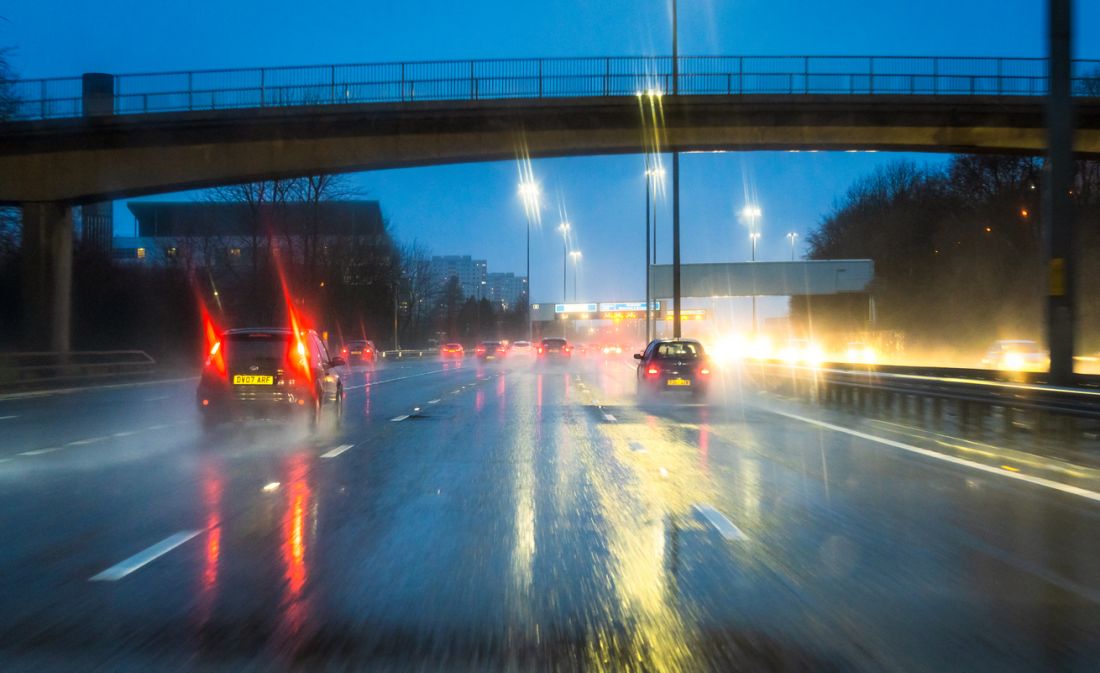
Motorways have a higher risk of aquaplaning because of their speed limits. It’s important to be very careful when driving on motorways. The outside lane usually has more wear and tear, so it can have deeper water. This makes aquaplaning riskier.
While modern cars have electronic stability control systems to help with skidding, these systems are not perfect. Always keep a safe distance from other vehicles. If you need to drive in the outer lane, be ready to see water patches and reduce your speed when necessary.
Conclusion
Aquaplaning is a dangerous problem on the road. It can happen for several reasons, like your speed and the condition of your tyres. It is important to recognise the signs and reasons for aquaplaning to drive safely. Keep a good speed, check your tyre tread depth, and pay attention to wet road conditions to lower the chance of aquaplaning. By following these easy tips, you can be safer on the road when the weather is wet. Stay aware, be careful, and stay safe while driving.
Frequently Asked Questions
Can aquaplaning occur on any tyre type?
The depth of the tyre tread on your car tyres matters, but aquaplaning can happen with any vehicle type. It does not matter if the front of your tyres are wide or narrow. If you drive fast enough through a deep puddle, the back end of your car might lose grip.
Are there any specific driving techniques that can help prevent aquaplaning in wet conditions?
- Avoid any sudden jerk of the steering wheel.
- Don't accelerate or brake quickly.
- Keep control of your car and drive in a straight line.
At What Speed Does Aquaplaning Occur?
Aquaplaning does not have a clear answer. It depends on several factors. For instance, you are less likely to aquaplane at high speeds during light rain with less water on the road. But, if there is heavy rain, you might start aquaplaning at speeds as low as 30mph. This can change based on the speed of the vehicle and how deep the water is.