
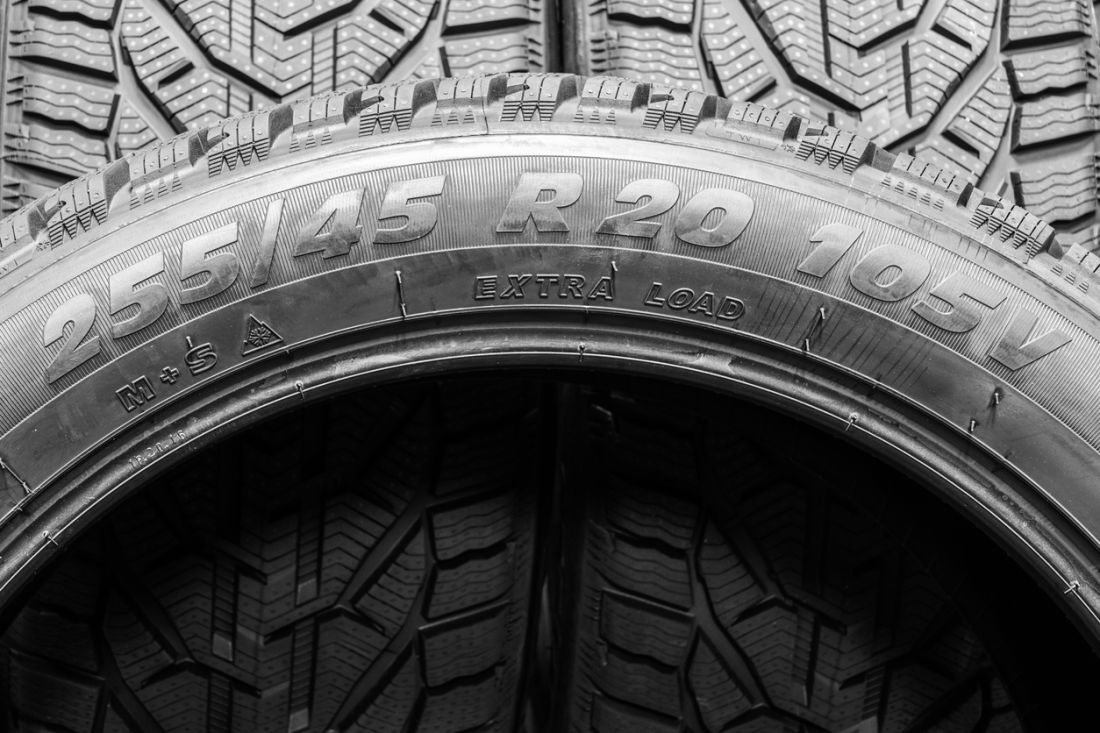
Car Tyre Sizes Explained
Key Highlights
- Understanding your car tyre size is crucial for safety and performance.
- The tyre sidewall contains essential information about the tyre's dimensions, speed rating, and load index.
- Refer to your vehicle handbook or manufacturer's recommendations for the correct tyre size.
- Using incorrect tyre sizes can negatively affect your vehicle's handling and braking.
- It's recommended that when you replace your tyres, you replace all four at the same time for the best performance.
Understanding Car Tyre Sizes
Understanding tyre size information is vital for ensuring your car's safety and performance on the road. Each vehicle model comes with a specific tyre size recommended by the manufacturer that is specifically tailored to your modal to enhance handling, braking capabilities, and overall driving experience.
Deciphering tyre sizes involves two key components. The first part of the code indicates the width of the tyre, which measures the distance across the tread. This measurement directly impacts traction and stability on different road surfaces. The second component is the aspect ratio, representing the height of the tyre's sidewall as a percentage of its width. This aspect ratio influences factors such as shock absorption and cornering stability. Additionally, tyre size information includes details about rim diameter, load index, and speed rating, all of which play vital roles in determining compatibility and performance characteristics.
Let's look at an example now.
Tyre Size Code Example
Consider the example "205/55 R16 91V". The "205" shows the width. The "55" is the aspect ratio. The "R" tells us it is a radial tyre. The "16" means the tyre fits a 16-inch wheel rim. The load rating, "91", and speed rating, "V". The load rating tells you how much weight the tyre can support and the speed rating shows the maximum speed the tyre can handle safely. Going over this limit could cause a tyre to fail, leading to a dangerous situation.
Tyre Width, Aspect Ratio, and Wheel Diameter
The way tyre width, aspect ratio, and wheel diameter work together affects both your car's performance and how it looks. The width of the tyre changes how much it touches the road which affects grip and handling. A wider tyre can give you more grip but may also make it harder to roll.
The aspect ratio, shown as a percentage of the width, tells us how tall the sidewall is. A lower aspect ratio means a shorter sidewall and this can make the ride firmer and help with faster steering. However, this may make you feel more of the bumps on rougher roads.
The wheel diameter, measured in inches, determines the size of the wheel rim that the tyre can fit. A bigger diameter usually means you can use a lower-profile tyre, which helps with sporty handling.
List of Components
- The first number shows the tyre width in millimetres.
- The next number is the aspect ratio. As an example, if the number is 55, that means the sidewall of the tyre is 55% as tall as the tyre is wide.
- The next letter tells us it is a radial tyre, which is the most usual type today.
- The number after that is the diameter of the tyre in inches. As an example, if it says 16, this means it fits a 16-inch wheel rim.
- The next number is the load index. This shows the maximum weight the tyre can carry.
- Finally, the letter is the speed rating. It shows the highest speed the tyre can safely handle.
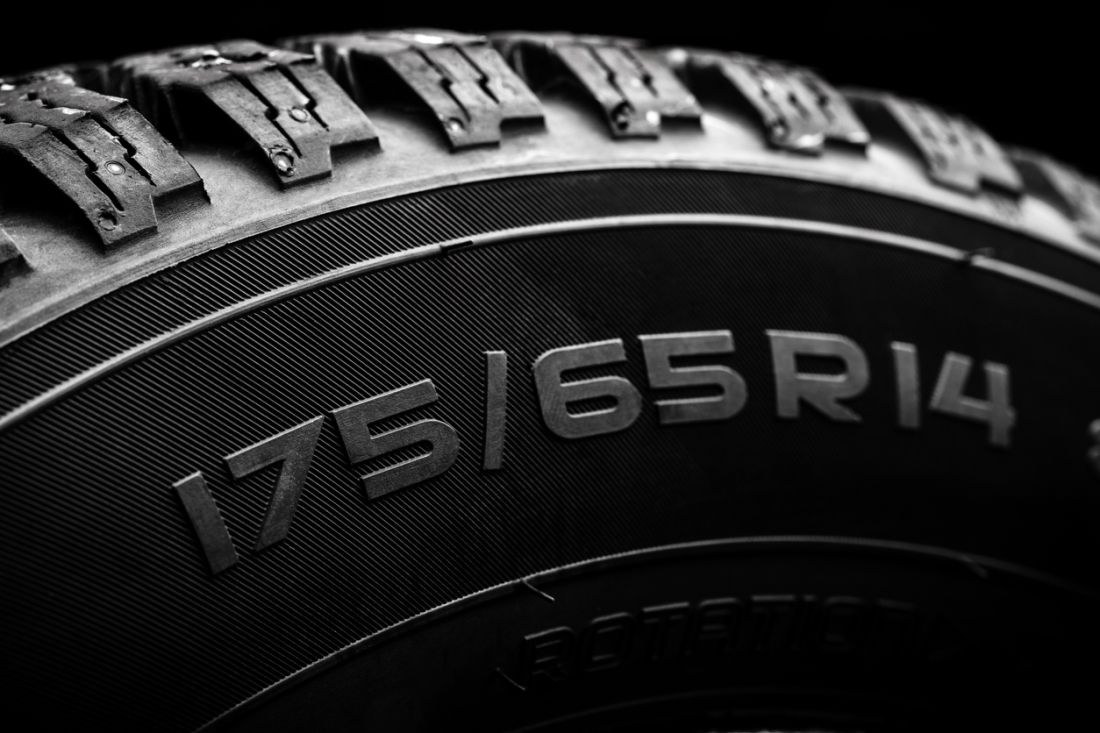
Choosing the Right Tyre Size for Your Vehicle
Choosing the right tyre size for your vehicle is very important, especially when you get new tyres. If you use the wrong size, it can harm how your vehicle handles, lower its fuel efficiency and mess up the speedometer readings.
When you look for replacement tyres, always check your vehicle handbook or talk to a trusted tyre specialist. They will help you find the right size, speed rating, and load index that fits your vehicle manufacturer's guidelines. This will make sure your vehicle runs well and stays safe.
Impact of Incorrect Tyre Sizes
Choosing the wrong tyre size can harm your vehicle's performance and safety. One clear effect is how the car handles. Tyres that are too big or too small can change the steering, making the car feel shaky or less quick to respond.
This happens because the wrong tyre sizes affect the contact patch. This is the part of the tyre tread that touches the road. It can also mess up your speedometer readings.
When the tyre size is not right, the speedometer won't show the correct speed because it's based on the tyre’s movements. Using the wrong sizes can also cause tyres to wear out unevenly or too quickly as well as reduce fuel efficiency and create dangerous handling issues, especially in bad weather.
Tips for Selecting Compatible Tyres
Choosing the right tyre can feel hard, but these tips can help:
Consult your vehicle handbook: Your handbook shows the size, speed rating, and load index recommended by the manufacturer.
Check the tyre sidewall: The sidewall of your tyre has important information.
- Understand the markings: Get to know what each marking means, like width, aspect ratio, wheel rim diameter, and speed rating.
- Consider your driving needs: If you often carry heavy loads or drive fast, think about these factors for load index and speed rating.
- Seek expert advice: If you are not sure, a tyre specialist can help you find the best choice.
Conclusion
Understanding car tyre sizes is very important for keeping your vehicle safe and running well. When you know about the parts of tyre size codes—like width, aspect ratio, and diameter—you can pick the right tyres with confidence. Using the wrong tyre size can hurt performance, so it's key to select tyres that fit well. If you don't know your tyre size or need help, feel free to contact us for support and if you are in the market for a new car, feel free to look through our extensive collection of high-quality used cars.
Frequently Asked Questions
What does the tyre size code mean?
The tyre size code is a set of letters and numbers, such as "205/55 R16 91V." This code shows important details. It includes the tyre width, the aspect ratio, and the diameter of the tyre. It also tells us about the load index and the speed rating.
How can I find my car's tyre size?
You can find the right tyre size for your car in a few places. Check your vehicle handbook. You may also see a sticker inside the fuel flap. Sometimes, it is on the driver's side doorjamb as well.
Is it okay to use different tyre sizes on the front and back?
Using different tyre sizes on the front and back is usually not a good idea unless the vehicle manufacturer says so. Having mismatched sizes can affect how well the vehicle handles and can also lead to safety issues and cause uneven tyre tread wear.
Can changing my tyre size affect my car's performance?
Yes, changing your tyre size can change the speed rating, load rating, tyre pressure, and how the vehicle works overall. If you move away from what the manufacturer suggests, it can affect braking, handling, and fuel efficiency.