
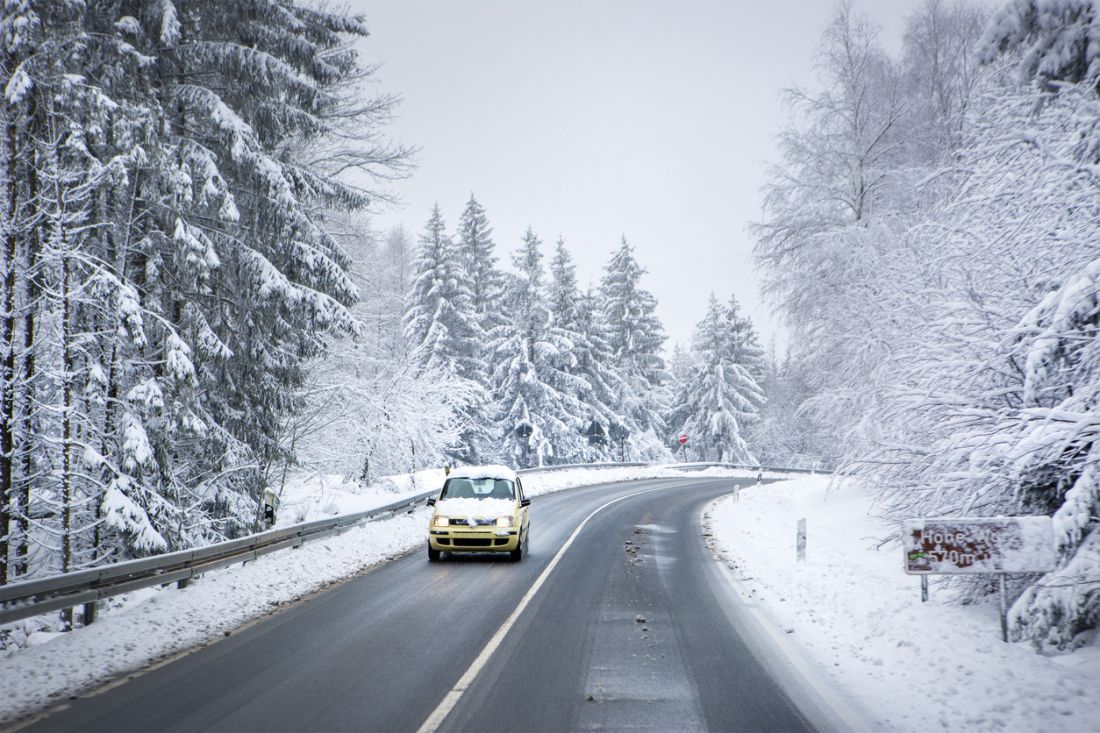
Mastering Driving in the Winter
Winter driving in the UK can be a challenge even for experienced drivers. The cold weather brings snow, ice, long dark nights, and strong winds, which can make driving more difficult and dangerous. If you're a new driver or have little experience driving in winter conditions, it's important to take extra precautions to ensure your safety on the road.
In this blog, we will provide you with essential tips and information to consider when driving in the winter. From adjusting your speed to match the conditions to preparing your vehicle for colder weather, we will cover everything you need to know to stay safe and confident behind the wheel during the winter months and b y the end of this blog, you will have a comprehensive understanding of the key considerations and precautions necessary for driving in the winter. So let's get started and ensure that you're well-prepared for winter driving!
1. Essential Winter Driving Tips
Adjust Your Speed to Match Conditions
One of the key considerations when driving in winter is adjusting your speed to match the conditions. The icy and snowy surfaces pose a significant challenge, making it essential to drive at a slower speed than usual. By reducing your speed, you allow yourself more time to react to any unexpected situations and increase your overall control of the vehicle.
It's important to remember that the stopping distance on snow and ice is much longer than on dry roads. Even with anti-lock braking systems (ABS), it takes more time and distance to come to a complete stop. It's recommended to increase your following distance to at least 10 seconds to account for the reduced traction.
By driving at a slower speed and leaving extra space between you and the vehicle in front, you give yourself the necessary time and distance to brake safely. Remember, it's better to arrive a few minutes late than to risk an accident by driving too fast for the conditions. Always prioritise your safety and the safety of others on the road.
The Importance of Increased Following Distances
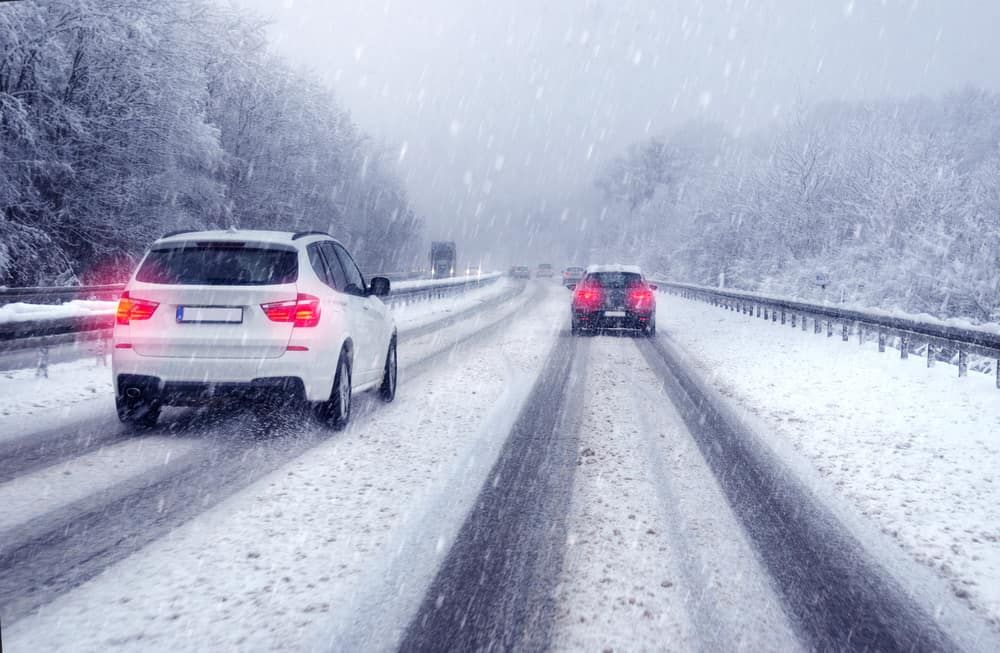
Increasing your following distance is crucial when driving in slippery conditions, such as heavy rain or snow. The reduced traction on wet or icy surfaces requires more time and distance to stop safely. By leaving a larger gap between your vehicle and the one in front, you give yourself extra time to react and prevent collisions.
A general rule of thumb is to maintain a following distance of at least 10 seconds in adverse weather conditions. This allows for the increased stopping distance needed on slippery roads. It's important to remember that heavy rain and snow can create hazardous driving conditions, reducing visibility and making the road surface more slippery.
By increasing your following distance, you reduce the risk of rear-end collisions and give yourself more time to stop or manoeuvre in case of an emergency. Always prioritise safety and adjust your driving behaviour according to the current weather and road conditions.
2. Vehicle Preparation for Winter
Preparing your vehicle for winter is essential to ensure its optimal performance and your safety on the road. Here are some key aspects of vehicle preparation for winter:
Battery health: Cold weather can significantly affect your car's battery. Get your battery health checked and replace it if necessary to avoid the risk of a flat battery.
Wiper blades: Check the condition of your wiper blades and replace them if they are worn out. Good visibility is crucial in winter, and properly functioning wiper blades are essential for clearing snow, rain, and debris from the windshield.
Tyre tread: Ensure that your tyre tread depth meets the legal requirements. Consider getting winter tyres for improved grip and traction in snowy and icy conditions.
By taking these vehicle preparation steps, you can minimise the risk of breakdowns and ensure a safer driving experience in winter conditions.
Importance of Battery Health in Cold Weather
Cold weather can have a significant impact on your car's battery, reducing its overall performance and potentially causing it to fail. The cold temperatures increase the resistance within the battery, making it harder for it to provide the necessary power to start the engine.
To avoid the inconvenience of a flat battery in cold weather, it's important to ensure your battery is in good health. Get it tested by a professional or use a battery tester to check its voltage and overall condition. If the battery is weak or nearing the end of its lifespan, it's recommended to replace it before winter.
Additionally, taking steps to conserve battery power can help prolong its life and minimise the risk of failure. Avoid using unnecessary electrical accessories when the engine is off, such as leaving the headlights or radio on for extended periods.
By maintaining a healthy battery and taking precautions to conserve its power, you can avoid the frustration and inconvenience of a flat battery during the colder months.
Ensuring Visibility With Lights and Wiper Blades
Good visibility is crucial for safe driving, especially in winter conditions when visibility can be significantly reduced. Here are some tips to ensure visibility while driving in the winter:
Check your lights: Before setting off on every journey, check that all your lights are working correctly, including headlights, taillights, brake lights, and indicators. Properly functioning lights help you see the road and make your vehicle more visible to other drivers.
Use fog lights when necessary: In foggy conditions, switch on your fog lights to improve visibility. However, use them only when visibility drops below 100 metres, as they can dazzle other drivers if used incorrectly.
Maintain wiper blades: Check the condition of your wiper blades and replace them if they are worn out. Streaky or ineffective wiper blades can hinder visibility and make it difficult to clear rain, snow, or debris from the windshield.
By ensuring that your lights are working correctly and maintaining your wiper blades, you can enhance visibility and drive safely in winter conditions.
Checking Tyre Tread and Pressure
Properly maintained tyres are essential for safe and reliable winter driving. Here are some key considerations for checking your tyre tread and pressure:
Tyre tread depth: Check the tread depth of your tyres regularly, as the grip and traction reduce as the tread wears down. The legal requirement for minimum tyre tread depth is 1.6mm, but replacing your tyres when the tread depth reaches 3mm is recommended.
Consider winter tyres: Winter tyres are designed specifically for driving in snowy and icy conditions. They have a different tread pattern and rubber compound that provides better grip and traction on slippery surfaces. If you live in an area with severe winters, consider investing in winter tyres for improved safety and performance.
Check tyre pressure: Proper tyre pressure is crucial for optimal grip and handling. Cold weather can cause tyre pressure to drop, so regularly check and adjust the pressure according to the manufacturer's recommendations.
By maintaining adequate tyre tread depth, considering winter tyres, and checking tyre pressure, you can improve your vehicle's grip and handling in winter conditions, ensuring safer and more confident driving.
3. Navigating Through Snow and Ice
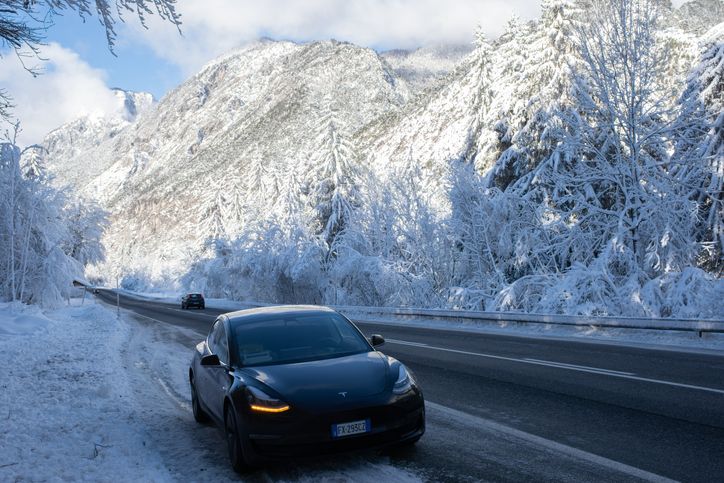
Driving in snow and ice requires additional precautions and techniques to ensure your safety.
Drive in a higher gear in snow and ice
When driving in snowy and icy conditions, adjusting your gear selection can help you maintain control of your vehicle and improve traction. Here are some tips for driving in a higher gear in snow and ice:
Pull away in a higher gear: If you're struggling to get started on ice, try pulling away in second gear instead of first gear. This can provide more traction and make it easier to get your vehicle moving.
Use a higher gear for better control: When driving in snowy conditions, using a higher gear can help you maintain control of your vehicle. It reduces the risk of wheelspin and provides better traction on slippery surfaces.
Avoid sudden acceleration: When driving in snow or ice, avoid sudden acceleration as it can cause your wheels to spin and result in a loss of control. Accelerate gradually and smoothly to maintain traction.
Steer gently: Make sure to steer gently and smoothly when driving in snowy conditions. Avoid sudden turns or jerky movements that can lead to skidding or loss of control.
By driving in a higher gear and adopting smooth and controlled driving techniques, you can improve traction and maintain better control of your vehicle in snowy conditions.
How to safely drive on black ice
Driving on black ice can be extremely dangerous as it is difficult to see and can cause your vehicle to lose traction. Here are some tips for safely driving on black ice:
Recognise black ice: Black ice is a thin, transparent layer of ice that forms on the road surface. It often appears darker and smoother than the surrounding road, making it difficult to detect. Be cautious when temperatures are near or below freezing and watch for areas that may be prone to black ice, such as shaded areas or bridges.
Maintain a constant speed: When driving on black ice, avoid sudden acceleration or braking. Maintain a constant speed to reduce the risk of skidding or losing control of your vehicle.
Steer gently: If you encounter black ice, avoid sudden steering movements. Steer gently and smoothly to maintain control. Keep both hands on the steering wheel and avoid any jerky movements that could cause your vehicle to skid.
Increase your following distance: Leave extra space between you and the vehicle in front to allow for increased stopping distance. This will give you more time to react if your vehicle starts to skid.
By being aware of black ice, maintaining a constant speed, and using gentle steering, you can navigate safely and minimise the risk of accidents on slippery roads.
Techniques for Starting and Stopping on Slippery Surfaces
Starting and stopping on slippery surfaces requires special techniques to ensure your safety and maintain control of your vehicle.
Start in second gear: When starting on a slippery surface, such as snow or ice, try pulling away in second gear instead of first gear. This reduces the risk of wheelspin and provides better traction, helping you get moving more smoothly.
Use the brake pedal gently: When stopping on a slippery surface, avoid braking suddenly or forcefully. Use the brake pedal gently to slow down gradually and maintain control of your vehicle. Sudden braking can cause your wheels to lock up and lead to skidding.
Maintain a steady speed: When driving on slippery surfaces, try to maintain a steady speed to minimise the risk of skidding. Avoid sudden acceleration or deceleration, as these can disrupt the traction between your tyres and the road.
By using these techniques for starting and stopping on slippery surfaces, you can reduce the risk of losing control and ensure a safer driving experience in winter conditions.
Handling Skids and Understanding Vehicle Dynamics
When facing skids in winter conditions, understanding vehicle dynamics is crucial to staying safe. If your car starts to skid on ice or snow, avoid sudden movements and gently steer in the direction you want to go. Do not slam on the brakes to prevent further loss of control. Additionally, being aware of weight transfer and tyre traction can help in manoeuvring through skids effectively. Remember, staying calm and implementing proper skid recovery techniques can make all the difference on slippery roads.
4. Safe Use of Vehicle Features
Using your vehicle's features correctly is essential for safe and comfortable winter driving. Here are some tips for the safe use of vehicle features:
Appropriate Use of Headlights in Snow/Fog: In snowy or foggy conditions, use your headlights to improve visibility. Switch on your headlights, and if necessary, use fog lights to cut through the reduced visibility. However, use fog lights only when visibility drops below 100 metres to avoid dazzling other drivers.
The Role of Anti-lock Brakes (ABS) in Winter Driving: ABS helps prevent wheel lock-up during braking, allowing you to maintain steering control on slippery surfaces. If you feel the ABS is engaging, continue to apply steady pressure to the brake pedal and steer as necessary.
When and How to Use Your Car's Heater for Optimal Visibility: Use your car's heater to defrost the windows before setting off. This will help remove condensation and improve visibility. Use the appropriate heat controls to ensure clear windows and avoid mist building up.
By using these vehicle features correctly, you can enhance visibility, maintain control, and drive comfortably in winter conditions.
Appropriate Use of Headlights in Snow/Fog
When driving in snow or fog, using headlights correctly is vital for visibility. In snowy conditions, switch on your dipped headlights and fog lights if needed to enhance visibility. Keep your beams on low to prevent blinding other road users. In foggy conditions, use dipped headlights or fog lights to cut through the mist. Avoid using high beams as they reflect off the fog, creating glare. Properly adjusted headlights can make a significant difference in navigating safely through winter weather.
The Role of Anti-lock Brakes (ABS) in Winter Driving
Anti-lock Brakes (ABS) play a crucial role in winter driving, especially in icy conditions. Here's how ABS works and its significance:
How ABS works: ABS prevents the wheels from locking up during braking, allowing the driver to maintain steering control. It achieves this by rapidly applying and releasing the brakes to each wheel individually, preventing skidding and allowing the driver to steer around obstacles.
Importance in icy conditions: On icy roads, where traction is reduced, ABS helps prevent wheel lock-up and allows the driver to maintain control during braking. This is particularly important in situations where a sudden stop is required or when encountering unexpected hazards.
Reduced stopping distance: ABS helps reduce the stopping distance on slippery surfaces. By preventing wheel lock-up and maintaining traction, ABS allows the driver to brake more effectively and stop at a shorter distance, minimising the risk of accidents.
By understanding the role of ABS in winter driving and how it can enhance your braking performance, you can drive more confidently and safely in icy conditions.
When and How to Use Your Car’s Heater for Optimal Visibility
Proper use of your car's heater is essential for optimal visibility during winter driving. Here are some tips for using your car's heater effectively:
Pre-heating: Before setting off, switch on your car's heater to start warming up the interior. This will help defrost the windows and remove any condensation or frost buildup, improving visibility.
Air circulation: Set the heater to circulate air from outside rather than recirculating the air inside the car. This will help reduce the buildup of moisture and prevent fogging of the windows.
Adjust temperature and fan speed: Find the right balance between temperature and fan speed to keep the interior comfortable and prevent excessive condensation. Avoid setting the temperature too high, as it can cause windows to fog up.
By using your car's heater correctly, you can maintain clear windows, reduce condensation, and ensure optimal visibility while driving in winter conditions.
Frequently Asked Questions
How Do I Prepare My Car for Winter?
Preparing your car for winter involves checking and maintaining essential components.
Check antifreeze levels and top up if necessary.
Ensure your battery is in good health and fully charged.
Check tyre tread depth and replace tyres if needed.
Inspect and replace worn wiper blades.
Check all lights are working correctly.
What Should I Do If I Start to Skid?
If you find yourself in a skid while driving on icy or slippery roads, it's crucial to remain calm and take the appropriate actions. Keep both hands on the steering wheel, avoid braking, and steer into the skid until you regain traction. If your car is equipped with ABS, maintain steady pressure on the brake pedal.
Are Winter Tires Worth the Investment?
Investing in winter tyres can greatly improve your safety and control while driving in winter conditions. These tyres have a deeper tread depth and are specifically designed to provide better traction on snow and ice. They can significantly reduce your stopping distance and improve your grip on slippery road surfaces. Consider using snow chains for added traction in extreme conditions.
How Can I Improve My Visibility While Driving in the Snow?
Driving in snowy conditions can greatly reduce visibility, so it's important to take steps to improve it. Make sure your headlights are on and use fog lights when necessary. Replace worn wiper blades for clear visibility, keep your windscreen clean, and use the defroster to prevent fogging on the inside of your car.
What Steps Should I Take If I'm Caught in a Winter Storm?
If you find yourself caught in a winter storm while driving, it's essential to take certain steps for your safety. If possible, find a safe place to pull over and wait out the storm. Keep an emergency kit in your car, including warm clothing, blankets, food, water, and a fully charged mobile phone. If visibility is poor or you're stranded, seek roadside assistance for help.
Is It Safe to Use Cruise Control on Slippery Roads?
Using cruise control on slippery roads can be dangerous as it can reduce driver control and make it difficult to maintain traction. It's best to avoid using cruise control in these conditions and instead maintain a constant speed manually, adjusting to the changing road conditions as needed.