

5 Tips for Buying a Used Car
Buying a used car can be an exciting experience, but it can also be a daunting task. With so many options available in the market, it's important to know what to look for and how to navigate the process. Whether you're a first-time buyer or a seasoned car enthusiast, using various sites on the internet is a great way to see what is around you and what you can afford and by following these tips for buying a used car, you can ensure that you make a wise investment and drive away with a reliable and affordable vehicle.
1. Understanding the Vehicle History
A comprehensive vehicle history report, also known as an HPI check, is crucial when buying a used car. It provides detailed information about the vehicle's registration, previous owners, mileage, and any recorded accidents or damage. It can also reveal if the car has any outstanding finances or if it has been stolen. Additionally, the report may include important details about the vehicle's service history, including regular maintenance and repairs. By obtaining a comprehensive vehicle history report, or conducting an HPI check, you can ensure that the car you are buying has a clean history and is in good condition. It also includes important mechanical checks, such as inspecting the engine and other crucial components, to ensure the car is safe and reliable. This gives you peace of mind and helps you make an informed decision about your purchase. Don't forget to check if the vehicle has a spare wheel, as it is an important safety feature that should not be overlooked.
2. Assessing Mileage and Usage
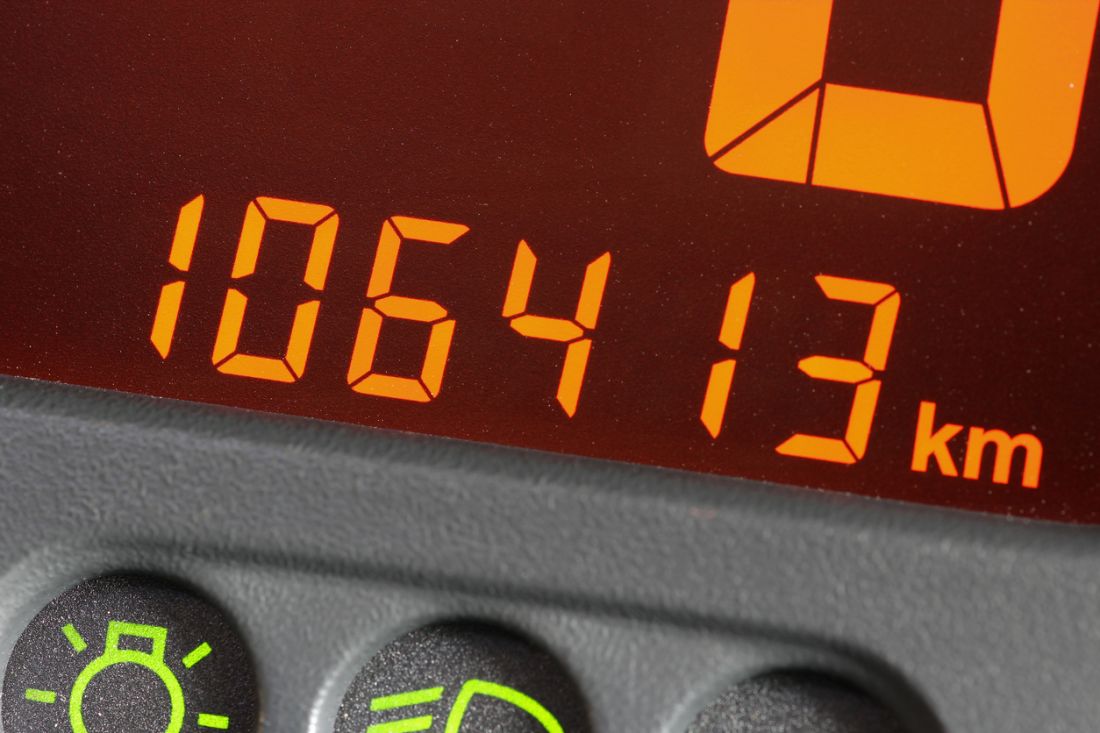
Assessing the mileage and age of a used car is crucial in evaluating its condition and value. While low mileage is typically perceived positively, indicating less wear and tear, it's essential to factor in the car's age and usage patterns. A vehicle with low mileage but driven extensively over a short period might have more issues than one with higher mileage spread out over time. Moreover, the type of usage matters; frequent driving can lead to significant wear despite low mileage, while careful maintenance can mitigate wear on high-mileage cars. Finding the optimal balance between mileage and age is key. While a low-mileage car may seem enticing, if too old, it could have more wear-related problems. Conversely, a newer car with higher mileage might still be in good condition if well-maintained. Determining this balance involves assessing factors such as maintenance history, repairs, and overall appearance, allowing for a more informed decision on the car's condition and potential longevity.
3. Exterior and Interior Condition Checks
Conducting thorough exterior and interior condition checks is vital when buying a used car. The exterior condition of the car can provide valuable insights into its overall maintenance and care. Check for any signs of damage, including scratches, dents, or rust. Pay attention to the paintwork and look for any areas that may have been repainted or touched up. On the interior, check the condition of the seats, carpets, and dashboard. Look for any signs of wear and tear, such as rips, stains, or faded upholstery. Additionally, check the functionality of important features such as the windows, locks, and lights. Older cars are bound to have the odd scuff, so it's important to thoroughly inspect all surfaces and accessories to ensure they are in working condition. Doing proper checks can help save you distress and money down the line. Don't forget to check the vehicle tax status as well, as this can indicate if the car is legally roadworthy.
Key Exterior Inspection Points
When inspecting the exterior of a used car, there are several key points to pay attention to. These include:
Paintwork: Look for any signs of damage, such as scratches, dents, or rust. Check for colour consistency and any areas that may have been repainted.
Bodywork: Inspect the body panels for any signs of damage or misalignment. Check for any uneven gaps between panels.
Lights: Ensure all lights are in working order, including headlights, taillights, brake lights, and indicator lights.
Windows and mirrors: Check for any cracks or chips in the windows. Test the functionality of the electric windows and mirrors.
Tyres: Inspect the condition of the tyres, including the tread depth and any signs of uneven wear.
By paying attention to these key exterior inspection points, you can get a better understanding of the overall condition of the car and evaluate its value.
Interior Elements That Indicate Car Condition
When assessing the interior of a used car, there are several key elements to consider. These include:
Seats: Check the condition of the seats, including any signs of wear or damage. Sit in each seat to ensure they are comfortable and supportive.
Dashboard: Inspect the dashboard for any warning lights or signs of damage. Test the functionality of the instrument panel and controls.
Electric windows and mirrors: Test the functionality of the electric windows and mirrors to ensure they are working properly.
Steering wheel: Check the condition of the steering wheel, including any signs of wear or damage. A shiny steering wheel may indicate excessive use.
Upholstery: Inspect the upholstery for any stains, tears, or signs of wear. Check the condition of the carpets and floor mats as well.
By evaluating these interior elements, you can get a better understanding of the car's overall condition and determine if it has been well-maintained.
4. Mastering the Test Drive

Mastering the test drive is essential when buying a used car. It allows you to assess the car's performance, handling, and overall condition. During the test drive, pay attention to the car's acceleration, braking, and steering response. Test the functionality of important features such as the air conditioning, audio system, and lights. Listen for any unusual noises or vibrations that may indicate underlying issues. Take the car on a variety of road conditions, including highways and city streets, to get a comprehensive feel for its performance. By mastering the test drive, you can gain peace of mind and ensure that the car meets your expectations and fulfils the legal requirement of having proper insurance. However, keep in mind that a thorough test drive can go a long way in identifying potential issues and ensuring a smooth driving experience in the long run.
Pre-Test Drive Checklist
Before going on a test drive, it's important to conduct a pre-test drive checklist. This ensures that you have properly inspected the car and can focus on the driving experience. Some key items to check before the test drive include:
Engine: Check the engine oil level and look for any signs of leaks or unusual odours.
Tyres: Inspect the condition of the tyres, including the tread depth and any signs of damage.
Lights: Ensure all lights are in working order, including headlights, taillights, and indicator lights.
Brakes: Test the functionality of the brakes, including their responsiveness and any signs of unusual noise or vibration.
Spare wheel: Check if the car is equipped with a spare wheel and ensure it is in good condition.
By completing this pre-test drive checklist, you can ensure that the car is in proper working order and ready for a thorough evaluation during the test drive.
During the Test Drive: What to Notice
During the test drive, there are several key aspects to notice that can provide insights into the car's performance and condition. Pay attention to the following:
Acceleration and braking: Notice how the car accelerates and brakes. Ensure that the acceleration is smooth and the brakes are responsive.
Steering response: Notice the car's handling and how it responds to steering inputs. Ensure that the steering is precise and the car feels stable on the road.
Suspension and ride comfort: Notice how the car handles bumps and uneven road surfaces. Ensure that the suspension provides a comfortable ride.
Noise and vibrations: Notice any unusual noises or vibrations that may indicate underlying issues. A quiet and smooth ride is desirable.
By paying attention to these aspects during the test drive, you can assess the car's overall performance and determine if it meets your expectations.
5. Financing and Negotiation Tactics
Financing and negotiation tactics play a crucial role in buying a used car. When it comes to financing, consider your options carefully and choose the option that best fits your budget and financial situation. Whether you choose to pay with cash, use a credit card, or opt for car finance, ensure that you understand the terms and conditions and secure the best financing option for your needs. Additionally, effective negotiation tactics can help you get the best deal on your used car purchase. Research the market value of the car and be prepared to negotiate with the seller to get a fair price. Don't forget to ask for a receipt that includes all agreed-upon terms and details of the sale, signed by both parties for your records.
Securing the Best Financing Options
Securing the best financing options when buying a used car is crucial to ensure that you get a fair deal. There are several factors to consider when securing financing, including interest rates, loan terms, and monthly repayments. Shop around and compare offers from different lenders to find the best rates and terms for your situation. Additionally, consider your credit score and history, as this can affect your eligibility for certain financing options. By securing the best financing options, it's a good idea to ensure that you get the best deal on your used car purchase and avoid any financial setbacks in the future.
Effective Negotiation Strategies for the Best Deal
Negotiating the price of a used car is an essential skill when buying a vehicle. Effective negotiation strategies can help you secure the best deal and save money. Start by researching the market value of the car and gather information about similar vehicles in your area. This will give you a baseline for negotiations. Be prepared to walk away if the seller is not willing to meet your price, as this can often lead to better offers. Additionally, build rapport with the salesperson and be respectful throughout the negotiation process. By using effective negotiation strategies, you can increase your chances of getting the best deal on your used car purchase.
Frequently Asked Questions
What is the first step in buying a used car?
The first step in buying a used car is to do your research and set a budget. Research different makes and models, consider your needs and preferences, and determine how much you can afford to spend. This will help you narrow down your options and make a more informed decision.
How do I check if the used car is a good deal?
To check if a used car is a good deal, consider its market value and compare it to similar vehicles in your area. Additionally, obtain a comprehensive vehicle history report to ensure that the car has a clean history and is in good condition.
Can I negotiate the price of a used car?
Yes, you can negotiate the price of a used car. Research the market value of the car, be prepared to walk away if the seller is not willing to meet your price, and use effective negotiation strategies to secure the best deal.
What are the red flags when buying a used car?
Red flags when buying a used car include signs of excessive wear and tear, a negative vehicle history report, and suspiciously low prices. Additionally, be wary of sellers who are unwilling to provide necessary documentation or allow a thorough inspection of the car.
How important is the test drive when buying a used car?
The test drive is crucial when buying a used car. It allows you to assess the car's performance, handling, and overall condition. It also provides an opportunity to check for any unusual noises or vibrations and ensure that the car meets your expectations.
Should I get a mechanic to inspect a used car before purchasing it?
It is highly recommended to get a mechanic to inspect a used car before purchasing. A professional inspection can reveal any hidden issues or potential problems that may not be apparent during a regular inspection. It can provide valuable insights and give you peace of mind about your purchase.
What paperwork should I expect when buying a used car?
When buying a used car, you should expect to receive the vehicle's registration document (V5C), service history, MOT certificates, and any relevant purchase or warranty documentation. These documents provide important information about the car's history and condition.
How can I check for any hidden issues in a used car?
To check for hidden issues in a used car, obtain a comprehensive vehicle history report and have a professional inspection conducted by a mechanic. These steps can uncover any underlying issues or potential problems that may not be apparent during a regular inspection.
Is it better to buy a used car from a dealer or a private seller?
There are pros and cons to buying a used car from both a dealer and a private seller. Dealers often provide warranty and after-sales support, but their prices may be higher. Private sellers may offer lower prices, but the transaction may be riskier and there may be fewer guarantees. Consider your priorities and budget when making this decision.
What is the best way to pay for a used car to ensure my safety?
The best way to pay for a used car to ensure your safety is to use a secure payment method such as a bank transfer or cashier's check. Avoid paying in cash, as it can be difficult to trace and may not provide adequate protection in case of fraud or disputes.