

What is Part Exchange for Cars?
Part exchanging your car can be a convenient and cost-effective option when you're looking to purchase a new vehicle. Instead of going through the hassle of selling your old car privately, part exchange work allows you to trade it in with a dealer and have the value of your old car deducted from the price of the new one. This not only saves you time and effort but can also reduce the overall cost of your new car.
In this blog, we will explore the concept of part exchange for cars and how it works in the automotive industry. We will discuss the process of part exchanging your car, the benefits it offers, and how to prepare your car for part exchange. We will also address common misconceptions about car part exchange and compare it with selling outright. By the end of this blog, you will have a clear understanding of what part exchange is, its advantages, and whether it is the right option for you when purchasing a new car.
Understanding Part Exchange for Cars
Part exchange in the automotive industry refers to the process of trading in your old car when purchasing a new one. Instead of selling your old car privately, you can exchange it with a dealer who will deduct its value from the price of the new car. This allows you to offset some of the cost of the new car and simplifies the transaction by handling both the sale of your old car and the purchase of the new one in a single transaction.
Defining Part Exchange in the Automotive Industry
Part exchange, also known as trade-in or P/X, is a common practice in the automotive industry where customers trade in their old car as part of the payment for a new one. Instead of selling their old car privately, which can be time-consuming and often involves negotiation, customers can simply bring their old car to a dealership and have its value deducted from the price of the new car.
The value of the old car is determined by various factors, including its make, model, age, condition, mileage, and market demand. These factors are used by the dealership to calculate the car's value and offer a trade-in value to the customer. This value is then subtracted from the price of the new car, reducing the amount the customer needs to pay.
The Process of Part Exchanging Your Car
The process of part exchanging your car starts with finding a dealership that offers part exchange services. Once you have chosen the dealership, you will bring your current vehicle to their premises for appraisal. The dealership will assess the condition, mileage, and market demand for your current vehicle to determine its trade-in value.
It's important to note that the trade-in value offered by the dealership may be lower than the market value of your car if you were to sell it privately. This is because the dealership needs to factor in the costs of reconditioning the car, marketing it, and making a profit when reselling it. However, the convenience and time saved by part exchanging your car may outweigh the potential difference in value.
Once the trade-in value is determined, it will be deducted from the price of the new car you wish to purchase. The remaining amount will be the price you need to pay for the new car, either in cash or through financing options provided by the dealership.

The Benefits of Part Exchanging Your Car
Convenience and Efficiency
One of the key advantages of part exchanging your car is the convenience it offers. Selling a car privately can be time-consuming and involves various tasks such as advertising, responding to inquiries, and arranging viewings. It also requires negotiation and paperwork.
Part exchange eliminates these hassles by allowing you to trade in your old car directly with the dealership where you are purchasing your new car. This simplifies the process and saves you time and effort.
Moreover, part exchange is an efficient way to sell your old car. Instead of waiting for potential buyers and negotiating the price, you can quickly and easily exchange your car for a new one in a single transaction. This allows you to get back on the road with your new car faster and receive the full market value for your old car, without the delays associated with private sales.
Financial Advantages
Part exchanging your car can also offer financial advantages. By trading in your old car, you can reduce the cost of your new car. The value of your old car is deducted from the price of the new one, resulting in a lower overall payment.
While the trade-in value offered by the dealership may be lower than the market value of your car, the convenience and time saved by part exchanging may outweigh the potential difference in value. Additionally, the part exchange allows you to offset the cost of the new car without having to sell your old car separately and wait for the funds.
Furthermore, part exchange can provide a seamless transition between your current car and your next car. Instead of waiting for the sale of your old car to be completed before purchasing a new one, you can simply trade in your old car and drive away with your new car. This eliminates the need for temporary transportation arrangements and saves you time.

How to Prepare Your Car for Part Exchange
Preparing your car for part exchange is essential to ensure you get the best value for it. The condition and documentation of your car can have a significant impact on its trade-in value. Here are some steps you can take to prepare your car for part exchange:
- Clean your car thoroughly, both inside and out, to enhance its appearance and make a good impression.
- Gather all necessary documents, including the car's logbook (V5), MOT certificate, service history, and any other relevant paperwork.
- Repair any minor issues or damage to improve the overall condition of the car.
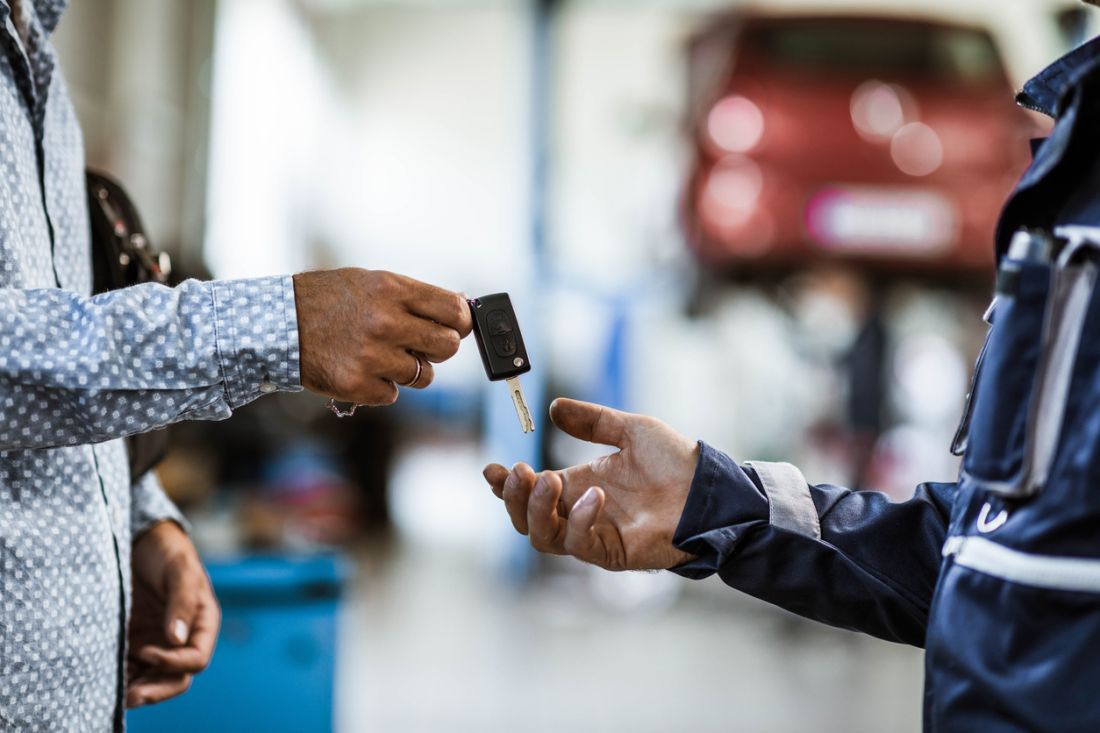
- Collect all sets of keys and any additional accessories or spare parts.
By presenting your car in the best possible condition and having all the required documentation ready, you can maximise its trade-in value and streamline the part exchange process.
Essential Checks and Documentation
When preparing your car for part exchange, there are certain checks to be done and documents to gather to ensure a smooth process. Here are some essential checks and documentation to consider:
- Service history: Provide evidence of regular servicing and maintenance to demonstrate that the car has been well cared for.
- Paperwork: Gather all necessary documentation, including the car's logbook (V5), MOT certificate, and any receipts for repairs or maintenance.
- Driving licence: Bring your driving licence as proof of identity and enable the dealership to verify your eligibility for a part exchange.
- Valuation: Research the market value of your car and compare it to the trade-in value offered by the dealership to ensure a fair deal.
By completing these checks and gathering the required documentation, you can increase the trade-in value of your car and simplify the part exchange process.
Common Misconceptions About Car Part Exchange
There are several common misconceptions about car part exchange that can hinder people from considering this option. Let's address some of these misconceptions and clarify the reality of car part exchange:
- Misconception: Part exchanging your car will always result in a lower value compared to selling it on the open market.
- Reality: While it's true that part exchange values may be slightly lower than the market value, the convenience and time saved often outweigh the potential difference.
- Misconception: Dealerships will only offer a low trade-in value for your old car.
- Reality: The trade-in value offered by dealerships is based on market factors, such as demand and condition. Negotiation is possible to achieve a fair deal.
- Misconception: Part exchange is only available at the dealership where you are purchasing a new car.
- Reality: You can part exchange your car at any dealership, even if you're not buying a car from them.
By understanding the realities of car part exchange, you can make an informed decision and take advantage of the convenience it offers.
Comparing Part Exchange with Selling Outright
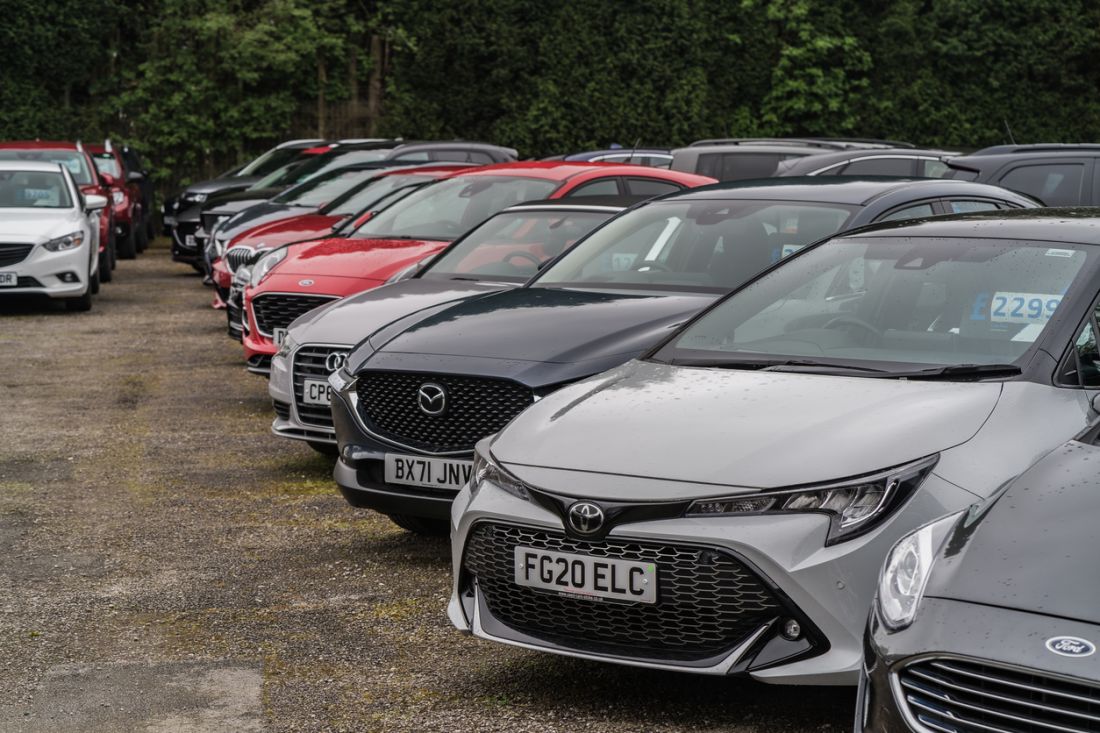
When it comes to selling your old car, you have the option to either part exchange it or sell it outright on the open market. Let's compare these two options to help you make an informed decision:
- Part exchange: Part exchanging your car offers convenience and time savings, as the dealership handles the sale of your old car and the purchase of your new one in a single transaction. However, the trade-in value may be slightly lower than the market value.
- Selling outright: Selling your car outright on the open market can potentially result in a higher sale price. However, it requires more time and effort, including advertising, negotiating with potential buyers, and dealing with paperwork.
By considering the pros and cons of both options, you can choose the one that best suits your needs and preferences.
Which Option Is Best for You?
Deciding whether to part exchange your car or sell it outright depends on your circumstances. If convenience and time-saving are important to you, part exchange might be the best option. It allows you to seamlessly transition from your old car to the new one without the hassle of selling it privately. Additionally, if you're looking to reduce the cost of your new car, part exchange can help by deducting the value of your old car from the price.
On the other hand, if you're willing to put in the effort and time to sell your car privately, you may be able to get more money for it. Selling outright gives you the flexibility to negotiate the price and potentially find a buyer willing to pay a higher price. However, it's important to consider the current market conditions, demand for your car, and your willingness to handle the selling process.
Ultimately, the best option depends on your priorities, the condition of your car, and your personal preferences. It's recommended to evaluate both options and choose the one that aligns with your needs and goals.
How Financing Affects Part Exchange
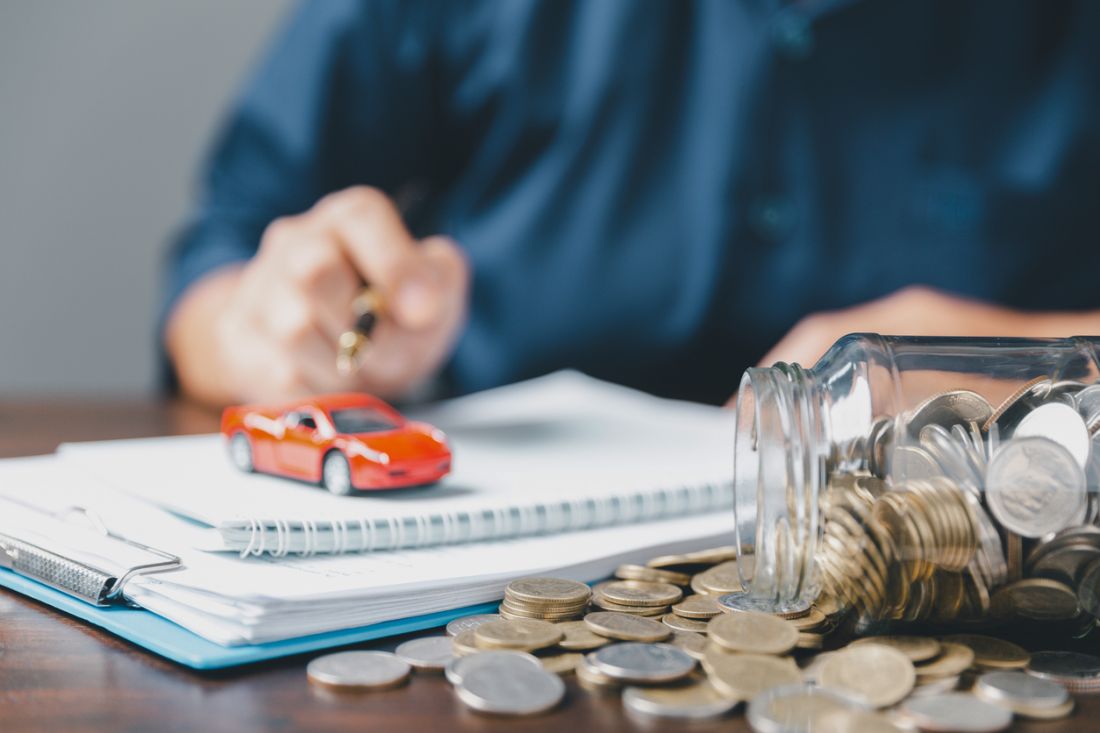
Financing can have an impact on the part exchange process. If you have outstanding finance on your current car, it's important to consider how this affects your ability to part exchange. When part exchanging a car with outstanding finance, you'll need to determine your settlement figure from the finance company. This figure represents the amount you still owe on the finance agreement. If the settlement figure is less than the valuation price of your car, you can use the difference towards the deposit on your new car. However, if the settlement figure exceeds the valuation price, this is known as negative equity, and you may have to make additional payments to clear the debt.
Impact of Financing on Part Exchange Values
Financing can have an impact on the part exchange values of your car. When you part exchange a car with financing, the value of the outstanding finance is taken into account. This can affect the overall trade-in value of your car. For example, if you have a higher outstanding finance amount, it may reduce the amount you receive for your car during the part exchange process.
Additionally, the type of financing you have, such as PCP (Personal Contract Purchase) or HP (Hire Purchase), can also impact the part exchange values. The terms of your financing agreement, including the deposit and monthly payments, can affect the trade-in value of your car. It's important to consider the specific terms of your financing agreement and discuss them with the dealership to understand how they may impact the part exchange process.
Conclusion
In conclusion, understanding part exchange for cars can offer both convenience and financial advantages. By preparing your car adequately and dispelling common misconceptions, you can maximise its exchange value. Comparing part exchange with selling outright helps you determine the best option for you. Remember that financing plays a crucial role in part exchange, especially when dealing with outstanding finance. By weighing the advantages and disadvantages of each option and considering your specific situation, you can make an informed decision that suits your needs and preferences in the automotive industry.
Frequently Asked Questions
Can I Part Exchange More Than One Vehicle?
Yes, it is possible to part exchange more than one vehicle. However, eligibility and terms may vary depending on the dealership. It's recommended to contact the dealership and discuss your specific situation to determine if part exchanging multiple vehicles is possible and what the process would entail.
How Quickly Can I Part Exchange My Car?
The speed of the part exchange process can vary depending on the dealership and your circumstances. It's best to contact the dealership directly to discuss your timeline and requirements. They will be able to provide you with an estimated timeframe for the completion of the part exchange and help you plan accordingly.
What Happens to My Old Car After Part Exchange?
After part exchanging your old car, the dealership will typically prepare it for resale. This may involve cleaning, inspecting, and making any necessary repairs. The dealership may then sell the car as a used car on their lot or through other channels such as auctions or online marketplaces.
Can I Negotiate the Part Exchange Value?
Yes, it is possible to negotiate the part exchange value of your car with the dealership. The value offered by the dealership is typically based on the market value of the car and its valuation process. However, you can discuss the value with the dealership and negotiate for a higher price if you believe your car is worth more. It's important to be prepared with research and evidence to support your negotiation.