
What Are the 4 Different Types of Hybrid Vehicles?
Hybrid vehicles, a blend of electric and combustion engine technologies, are revolutionising the automotive industry. These eco-friendly cars utilise electric power and traditional fuel to enhance fuel economy and reduce emissions. Understanding the nuances of hybrid technology and the main types of hybrid vehicles available today is essential for making informed purchasing decisions. Let's delve deeper into the world of hybrid cars and uncover the benefits they offer regarding sustainability and performance.
Understanding Hybrid Technology
Hybrid technology combines the benefits of an electric motor with a combustion engine, leading to enhanced fuel efficiency and lower emissions. Hybrids use regenerative braking to capture kinetic energy usually lost during braking, converting it into electric power. There are different types of hybrid vehicles, such as full hybrids and mild hybrids, each offering unique advantages. Understanding the intricacies of hybrid systems is essential for choosing the right hybrid car to suit your needs and preferences.
The Basics of Hybrid Vehicles
Hybrid vehicles combine an internal combustion engine with an electric motor to improve fuel economy and reduce emissions. They utilise regenerative braking to convert kinetic energy into electricity. In simple terms, hybrids can run on the electric motor alone, the combustion engine, or a combination of both. This hybrid system enables better fuel efficiency, especially at lower speeds and in stop-and-go traffic, making them a popular choice for eco-conscious drivers.
How Hybrids Differ From Traditional Cars
Hybrid vehicles differ from traditional cars by utilising both an internal combustion engine and an electric motor for propulsion, enhancing fuel efficiency and reducing emissions. Unlike conventional cars solely reliant on gasoline engines, hybrids harness regenerative braking and electric power to supplement the combustion engine. This synergy between power sources allows hybrids to operate more efficiently, especially in city driving conditions where lower speeds and frequent stops enable greater use of the electric mode.
Mild Hybrids (MHEV)
Mild hybrids (MHEV) combine a traditional internal combustion engine with an electric motor. Unlike full hybrids, they cannot run solely on electric power. Mild hybrids use regenerative braking to charge the battery and provide some electric assistance during acceleration, improving fuel economy. They are cost-effective options for those looking to enhance efficiency without the complexity of a full hybrid system.
Advantages of MHEV Technology
Mild hybrids offer improved fuel economy and emissions control. Their electric motor assists the combustion engine, enhancing performance, especially at lower speeds. Regenerative braking stores energy usually lost during deceleration for later use. This setup results in lower fuel consumption and reduced emissions, making mild hybrids an eco-friendly choice. Additionally, the electrical system provides a power boost during acceleration, enhancing overall efficiency and driving experience. Embracing MHEV technology means enjoying the benefits of both electric and combustion power sources.
Full Hybrids (HEV)
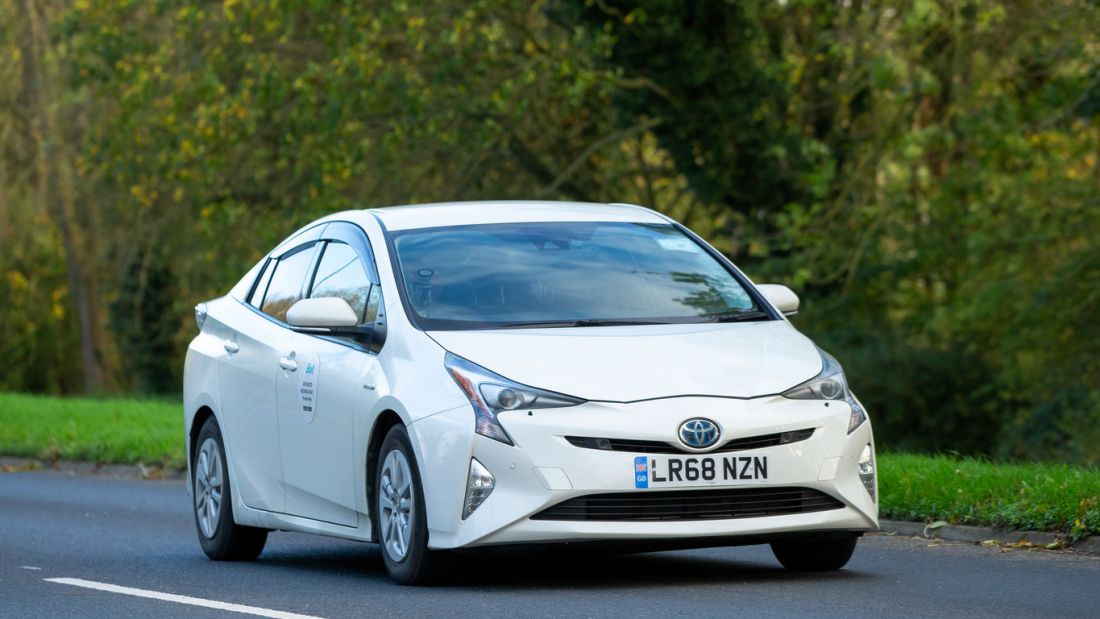
Full hybrids, known as HEVs, combine an internal combustion engine with an electric motor. These vehicles can operate on electric power alone, internal combustion engine power, or a mixture of both. Unlike mild hybrids, HEVs have a much larger battery and can drive for short distances in electric mode. The Toyota Prius is a popular example of a full hybrid, offering excellent fuel economy and lower emissions compared to traditional vehicles.
What Sets Full Hybrids Apart
Full hybrids stand out due to their ability to propel the vehicle using only the electric motor at lower speeds, seamlessly transitioning to the combustion engine for higher speeds. This flexibility ensures optimal fuel economy and lower emissions. Unlike mild hybrids, full hybrids can operate solely on electric power for a distance, reducing reliance on the gasoline engine. The synergy between the electric motor and the internal combustion engine in full hybrids distinguishes them in terms of efficiency and performance.
HEV Fuel Efficiency and Performance
Full hybrids (HEVs) excel in fuel efficiency due to the seamless coordination between the electric motor and combustion engine. HEVs optimize fuel consumption by utilizing regenerative braking to recharge the electric power. This synergy results in impressive miles per gallon (mpg) figures, especially in city driving conditions where lower speeds benefit the electric mode. In terms of performance, HEVs offer a smooth transition between power sources, delivering a refined driving experience with reduced fuel costs and emissions.
Plug-In Hybrids (PHEV)
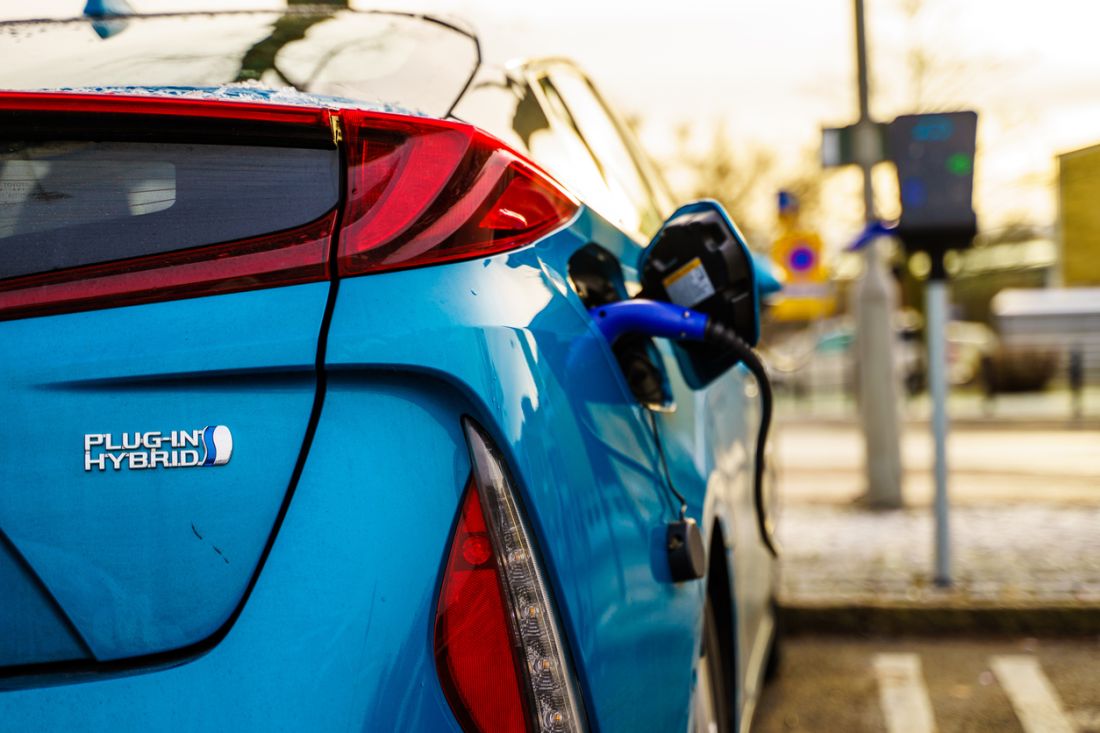
Plug-in Hybrids (PHEVs) combine a gasoline engine with an electric motor and a much larger battery than traditional hybrids. These vehicles can be plugged in for charging, offering an extended electric range. PHEVs can operate on electric power alone for shorter trips, reducing fuel costs and emissions. They also have the flexibility of a gasoline engine for longer journeys, eliminating range anxiety. Comparing PHEVs to other hybrid types showcases their versatility in catering to varying driving needs and preferences.
Comparing PHEVs to Other Hybrids
PHEVs offer both electric and gasoline power sources, unlike traditional hybrids. This dual capability allows them to run on pure electric power for a longer distance compared to standard hybrids, reducing fuel costs and emissions. However, PHEVs typically have a higher price point due to their more advanced technology. In contrast, traditional hybrids like HEVs blend both power sources but have a smaller electric range, making them more affordable for those seeking hybrid benefits without the high initial investment.
Range Extender Hybrids
Range extender hybrids, also known as series hybrids, employ an electric motor for propulsion while a combustion engine generates electricity for the electric motor. These hybrids utilise regenerative braking to recharge the battery, providing additional range. The range extender acts as a backup generator, alleviating range anxiety by ensuring continuous power for the electric motor. By combining the benefits of an electric vehicle with the flexibility of an external power source, range extender hybrids offer an efficient and versatile driving experience.
The Role of the Range Extender in EVs
The range extender is a feature found in some hybrid vehicles that helps address the issue of range anxiety, which is the fear of running out of electric range. Unlike fully electric vehicles, which rely solely on their electric range, hybrids with a range extender have an additional petrol engine that acts as a reserve when the electric battery level depletes.
This type of hybrid, also known as a series hybrid, operates in electric mode most of the time, using the electric motor to power the vehicle. However, when the battery level becomes low, the range extender kicks in to generate electricity and charge the battery, extending the overall range of the vehicle.
The range extender provides peace of mind for drivers by eliminating the fear of being stranded without power. It allows hybrid vehicles to offer a longer electric range while still providing the convenience of a petrol engine for longer journeys.
Benefits of Range Extender Hybrids
Range extender hybrids offer several benefits that make them an attractive option for many drivers. One of the main benefits is improved fuel efficiency. By using electric power for most of the driving, range extender hybrids can significantly reduce fuel consumption compared to traditional petrol or diesel vehicles. The petrol engine only kicks in when the battery level is low, resulting in overall higher fuel efficiency.
Another benefit is the extended electric range. Range extender hybrids can travel longer distances on electric power alone, reducing the need for frequent refuelling. This is especially beneficial for daily commuting or short trips where the electric range is sufficient.
Additionally, range extender hybrids provide the flexibility of using petrol power when needed. If the electric range is depleted or if the driver needs to travel longer distances, the petrol engine can take over, providing the convenience and range of a traditional combustion engine vehicle.
Choosing the Right Hybrid for You
Choosing the right hybrid vehicle depends on various factors, including your driving preferences, budget, and environmental concerns. Understanding the different types of hybrids can help you make an informed decision.
The main types of hybrids are full hybrids, mild hybrids, plug-in hybrids, and hybrids with a range extender. Full hybrids provide a balance between electric power and petrol or diesel engine power, offering good fuel economy. Mild hybrids assist the engine with electric power, resulting in modest gains in fuel efficiency.
Plug-in hybrids offer a longer electric range and the ability to charge from an external power source. Hybrids with a range extender provide an extended electric range and the convenience of a petrol engine backup.
Consider your driving habits, the availability of charging infrastructure, and your desired electric range when choosing the right hybrid for you.
Factors to Consider When Buying a Hybrid
When buying a hybrid car, there are several factors to consider. First and foremost, consider your driving habits and needs. Assess your daily commute and determine if the electric range of a hybrid will be sufficient for your needs. If you frequently travel long distances, a hybrid with a range extender or a plug-in hybrid with a longer electric range may be a better option.
Fuel economy is another important consideration. Hybrid cars are known for their fuel efficiency, but the exact fuel economy will vary depending on the type of hybrid and driving conditions. Research the fuel economy ratings of different hybrids and compare them to conventional petrol or diesel vehicles to get an idea of the potential savings.
It's also important to consider the availability of charging infrastructure. If you're considering a plug-in hybrid, ensure that there are sufficient charging stations in your area or at your workplace.
Lastly, explore the options available in the market. Hybrid technology is continuously evolving, and new models with improved features and performance are being introduced. Keep an eye on the latest hybrid models and take advantage of any incentives or discounts available.
Comparing Costs: Hybrids vs. Conventional Vehicles
One of the major considerations when comparing hybrids to conventional vehicles is the cost of fuel consumption. Hybrids are known for their fuel efficiency, which can result in significant savings over time.
To better understand the cost difference, let's compare the fuel consumption of a hybrid vehicle to a conventional petrol or diesel vehicle.
| Hybrid Vehicle | Conventional Vehicle |
Fuel Consumption | Higher MPG (Miles Per Gallon) | Lower MPG (Miles Per Gallon) |
Fuel Costs | Lower Fuel Costs | Higher Fuel Costs |
As the table shows, hybrid vehicles typically have higher MPG ratings, meaning they can travel more miles on a gallon of fuel compared to conventional vehicles. This leads to lower fuel costs and potential savings over time.
However, it's important to note that the exact fuel consumption and fuel costs will vary depending on the specific make and model of the vehicle, as well as driving conditions and other factors.
Conclusion
Understanding the different types of hybrid vehicles can lead to informed decisions when choosing an eco-friendly option. From mild hybrids to range extender hybrids, each type offers unique benefits in terms of fuel efficiency and performance. Consider factors like charging capabilities, range, and overall costs to determine the right fit for your lifestyle and environmental concerns. By embracing hybrid technology, you contribute to a greener future without compromising on convenience or driving experience. So, explore the world of hybrid vehicles, and make a sustainable choice that aligns with your needs and values.
Frequently Asked Questions
What is the lifespan of a hybrid battery?
The lifespan of a hybrid battery can vary depending on several factors, including the make and model of the vehicle, driving conditions, and maintenance. On average, hybrid batteries are designed to last for around 8 to 10 years or 100,000 to 150,000 miles. Proper maintenance and regular use of electric power can help prolong the lifespan of the battery.
Can hybrids run on electric power alone?
Yes, hybrids can run on electric power alone, but the ability to do so varies depending on the type of hybrid and the electric range. Full hybrids and plug-in hybrids are capable of running in electric mode for a certain distance or speed, using the electric motor to power the vehicle. However, once the electric range is depleted, the hybrid system switches to using the combustion engine.
Are there any drawbacks to owning a hybrid vehicle?
While hybrid vehicles are eco-friendly and fuel-efficient, drawbacks include higher initial costs, battery replacement expenses, and potentially limited electric-only range. Additionally, the complex technology can lead to costly repairs in the long run.
Do all hybrid vehicles qualify for government incentives or tax credits?
Not all hybrid vehicles are the same when it comes to government incentives or tax credits. To qualify for these benefits, the hybrid vehicle must meet specific criteria set by the government, such as fuel efficiency and emissions standards. Always check with your local regulations to determine eligibility.