
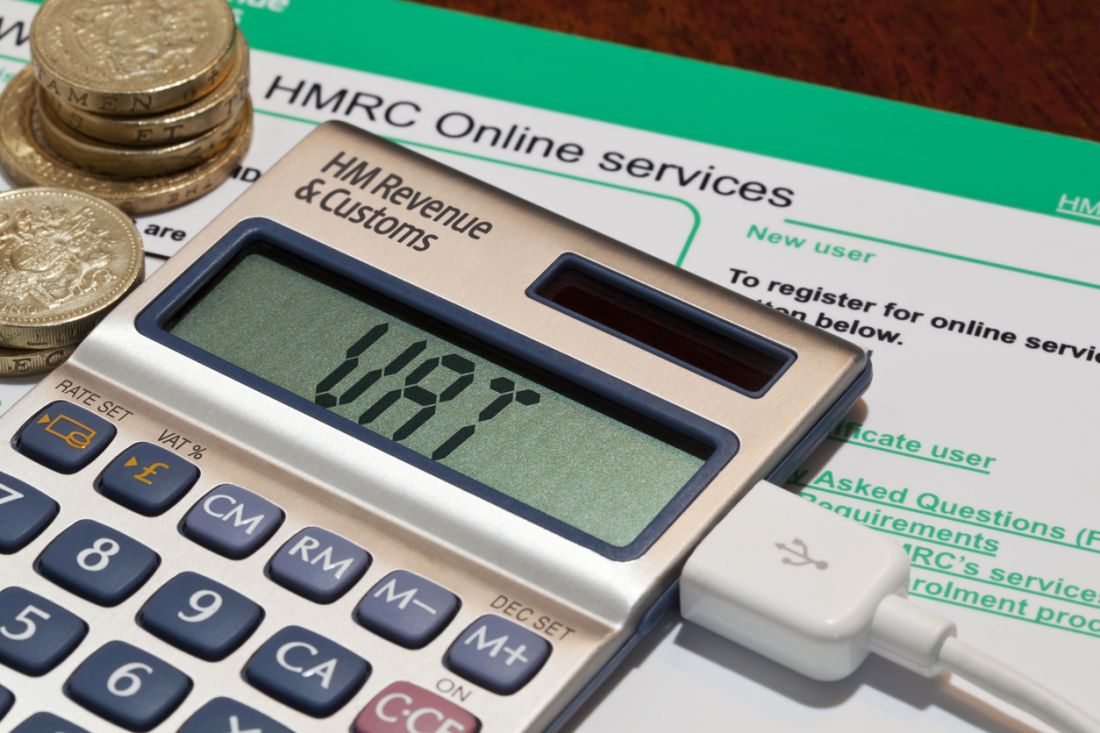
Understanding VAT on Used Cars
Key Highlights
VAT on used cars in the UK can be complex, with different rules for private sales, dealer purchases, and business use.
Understanding these regulations is important to ensure you comply with HMRC requirements and optimise your purchase.
- Discover how VAT affects your used car purchase and whether you're eligible to reclaim it.
- Learn about the VAT margin scheme and how VAT is calculated on used vehicles sold by dealerships.
The Basics of VAT on Used Cars in the UK
When buying a used car in the UK, it is important to think about Value Added Tax (VAT) and any accessories. The standard rate for new cars is 20% VAT and this typically applies to the ‘on the road’ (OTR) price. However, VAT rules for used cars are different. Both buyers and sellers need to know these rules to follow HMRC guidelines.
How VAT applies to a used car depends on how you buy it - either privately or through a dealer. Private sales for private purposes do not have VAT. On the other hand, buying from a dealer may involve VAT due to the dealer's profit margin, which is under the VAT margin scheme.
Defining VAT and the Difference between VAT on New and Used Cars
VAT, which stands for Value Added Tax, is a tax that's added to the difference between the selling price and purchase price of a vehicle. This tax is very important to think about when buying or selling both new and used cars. If you are part of this process, it's key to understand how VAT is applied to used cars so you can follow the rules and make better financial choices.
VAT on new cars comes from the selling price. For used cars, VAT is based on the difference between the selling price and the purchase price. New cars have a standard VAT rate. Used cars use the margin scheme, where VAT is charged only on the profit made from the sale price of the vehicle.
Are All Used Cars VAT-Qualifiable?
Not every used car qualifies for VAT. This qualification is based on whether the car dealer has followed certain HMRC rules when selling the car.
To make a used car VAT-qualifying, the dealer must have bought it through a VAT-liable scheme. They also need to add VAT to the profit they make from selling the car.
Understanding VAT-Qualifying Used Cars and the Criteria
To understand VAT-qualifying used cars, you need to know which vehicles fall into this group. Not every used car can get VAT benefits. It is important to learn the rules that decide if a used car qualifies for VAT. Some conditions have to be met for a used car to be labelled as VAT-qualifying. These rules affect whether you can get VAT back after buying a used vehicle. Knowing these details is important for making smart choices when buying a car.
To be eligible for VAT, a used car must meet certain rules related to the purchase of a car. First, it has to be bought for business purposes, not for personal use, which includes vehicles such as taxis. You need to buy the car from a VAT-registered car dealer or a private seller, and VAT must be paid on the purchase price. Also, the car should not be part of the margin scheme for used vehicles. Meeting these requirements is important if you want to claim VAT on used cars. Knowing these rules is key to calculating VAT correctly.
Calculating VAT on Your Used Car Purchase
When you buy a used car from a dealership, the most common way VAT is calculated is different compared to buying a new car. Dealers use the VAT scheme known as the VAT margin scheme. This means they pay VAT only on their profit, not on the total price of the car.
The VAT is usually included in the price shown. It's not listed separately on the invoice. They charge VAT on one-sixth of the profit. This reflects the 20% VAT rate applied to the profit margin.
Step-by-Step Guide to Calculating VAT
To find out VAT on a used car, check if it is part of the margin scheme. Start by taking the selling price and subtracting the purchase price. This gives you the margin. Then, use the VAT rate on this margin to get the VAT amount. Keep in mind that only the margin is taxed, not the total selling price. This way is often used for second-hand cars and ensures that only the added value since the first purchase is taxed.
Examples of VAT Calculations for Used Cars
In a VAT calculation for used cars, let's take a car bought for £10,000 and sold for £15,000 as the sale price. The VAT is based on the profit margin, not on the full selling price. Here, the profit margin is £5,000. With a VAT rate of 20%, the VAT owed is £1,000. By using the margin scheme, VAT is charged on one-sixth of the profit, which is £833.33. This makes VAT calculations for used cars easier.
Conclusion
Understanding VAT on used cars is important for making smart choices when buying in the UK. This blog explains what VAT is and how to calculate it on your used car purchase. It’s key to know what makes a used car VAT-qualifying and the differences between commercial and personal vehicles. If you are looking for a used car to call your own, check out our range of used cars and feel free to get in touch for any advice or support.
Frequently Asked Questions
Can I Claim VAT Back on a Used Car Purchase?
Yes, you can potentially get VAT back when you buy a used car if you meet certain conditions. The rules for claiming VAT in the first place on a pre-owned vehicle depend on different factors. It’s important to understand these requirements before you try to reclaim VAT.
How Do I Know if a Used Car is VAT-Qualifying?
To find out if a used car can qualify for VAT, you need to look for certain conditions. First, check if it was imported before or used for business purposes. Make sure the car meets HMRC guidelines before you claim VAT. Knowing these rules is important to prevent any problems.
What Is the Difference in VAT Between Commercial and Personal Used Cars?
VAT on commercial vehicles, such as lorries, is different from personal cars because of different rules for each. Commercial vehicles that are used for business purposes might qualify for another type of VAT treatment than personal ones, especially when considering private use. Knowing these differences is important for calculating VAT correctly.
Are There Any VAT Exemptions for Used Cars?
In some situations, you may not have to pay VAT on used cars. This can happen if the seller is not registered for VAT or if the car is a classic. Knowing these rules can help you make a better choice when buying a car.
How Does VAT Affect the Price of Used Cars?
VAT greatly affects the prices of used cars. It is important to understand what qualifies for VAT and how to calculate it step-by-step. Knowing the difference between new and used cars in terms of VAT is key to understanding how it impacts the prices of pre-owned vehicles. Examples can also show how VAT influences the costs of used cars.