
How does leasing a car work UK?
Key Highlights
- Car leasing enables you to drive a new car without purchasing it outright.
- It involves an initial payment, followed by fixed monthly payments for the duration of the lease.
- You'll need to adhere to an annual mileage limit and maintain the car in good condition.
- At the end of the lease period, you return the vehicle.
- Business car leasing offers tax benefits for eligible businesses.
Understanding How Car Leasing Works in the UK
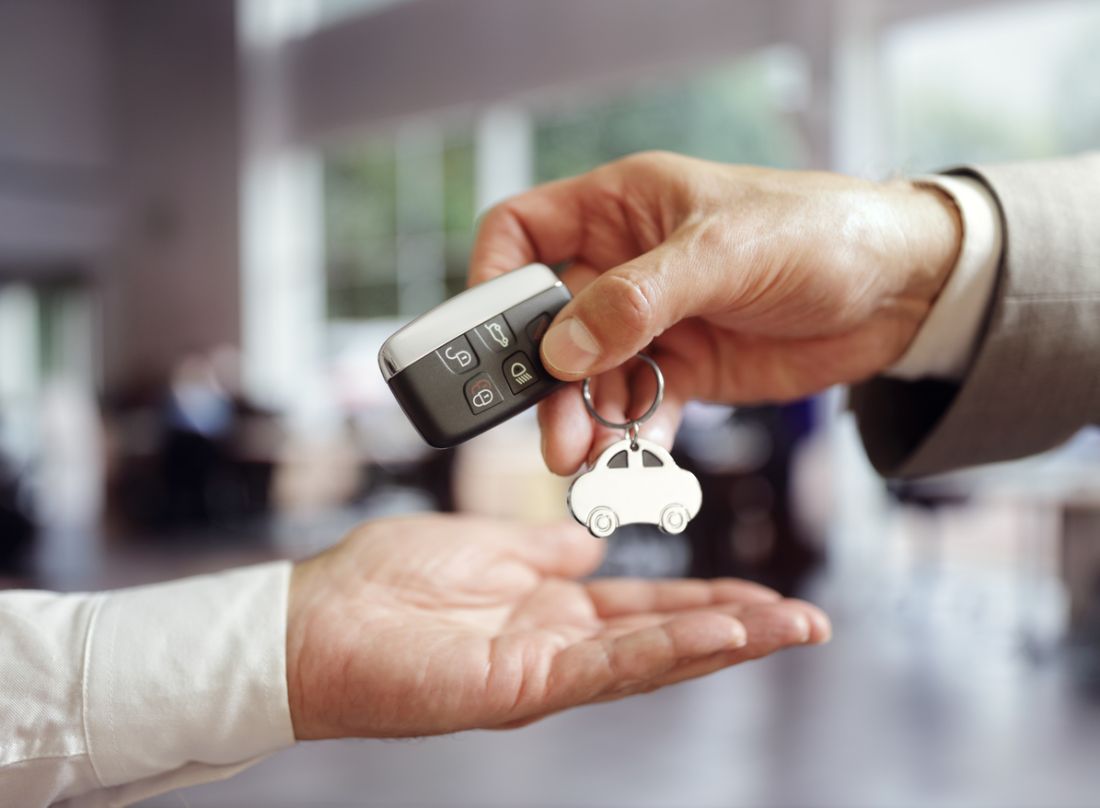
Car leasing also referred to as personal car leasing or personal contract hire, is like renting a leased car for a long time. Instead of buying a car, you can consider it a cheaper option by renting it from a leasing company for a set time, usually 2 to 4 years. This allows you to drive a new car every few years and you don’t have to worry about losing money when the car value goes down or the trouble of selling it.
During the lease period, you pay a fixed amount each month and this payment covers the depreciation of the car, finance charges, and other costs. This makes it easy to budget and can be simpler than other car finance options.
Key Differences Between Leasing and Buying
- Ownership: If you lease a car, you do not own it. The leasing company still owns the car. When you buy a car, you fully own it.
- Depreciation: A big benefit of leasing is that you do not have to worry about the car losing value over time.
- Initial payment: Leasing usually needs a smaller initial payment than buying a car. However, this money does not help you own the car like a down payment would.
The Process of Leasing a Car
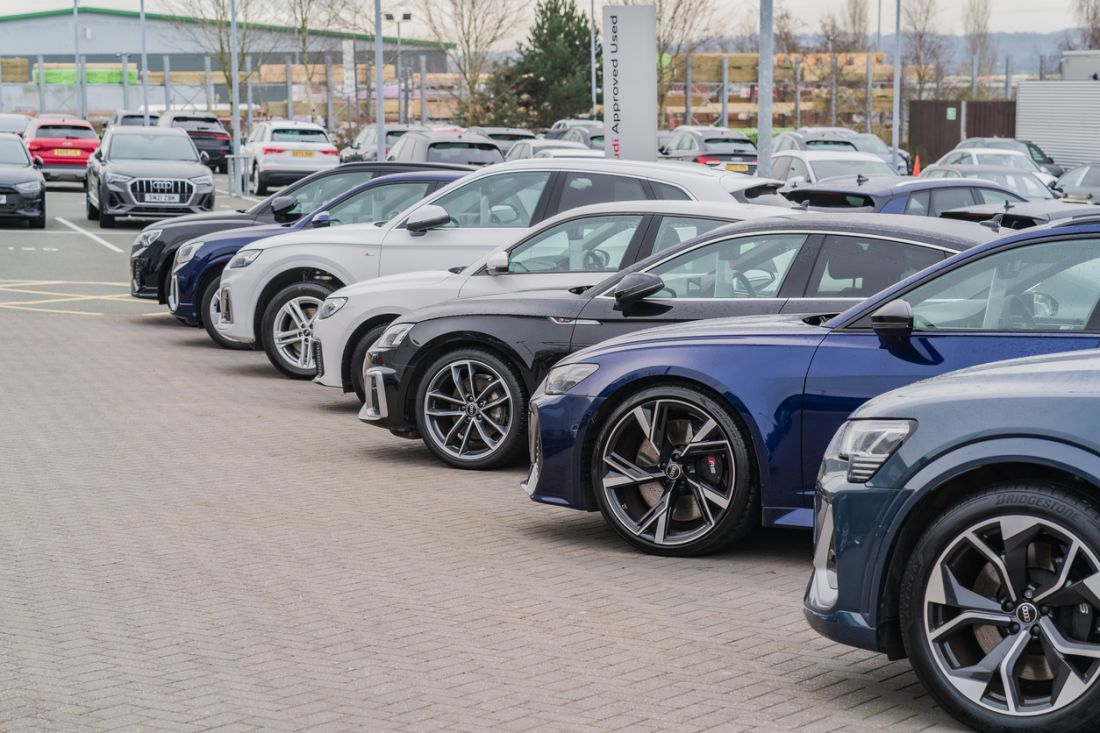
Leasing a car is meant to be simple and easy for everyone. The process typically involves choosing a car model, agreeing on lease terms that suit your budget and lifestyle, and driving away in a new vehicle. With a set monthly payment and the latest models to choose from, leasing can be a convenient way to enjoy the benefits of a new car without the hassle of traditional car ownership.
Choosing the Right Car to Lease
Start by looking at trustworthy business leasing or personal leasing companies and check their lease deals. Think about these points:
- Annual mileage limit: Make a good guess of how much you will drive each year to stay within the limit in your contract.
- Lease deal: Look at different offers from various companies to find the best terms and monthly payment plans.
- Business leasing: If your business is VAT-registered, you might be able to use business contract hire (BCH). This lets you get back some of the VAT you pay on your lease payments.
Understanding Your Lease Agreement
Before signing a car lease agreement, thoroughly review its contents, paying close attention to:
- Contract hire: Ensure you understand the type of lease agreement you're entering, whether it's PCH or BCH.
- Leasing company: Research the reputation and reliability of the leasing company you're considering.
- Finance agreement: Understand the financial implications, including the initial payment, monthly payments, and any potential additional fees.
Key Term | Description |
Contract Hire | A type of lease where you pay for the use of the car, but do not own it. |
Finance Agreement | The legal document outlining the terms of the lease and financial obligations. |
Leasing Company | The entity that owns and leases the vehicle to you. |

Financial Considerations in Car Leasing
When it comes to leasing a car, understanding the financial aspects is crucial. From the initial deposit to monthly payments, mileage limits, and potential fees, it's important to consider how leasing fits into your budget and financial plans. While leasing often provides lower monthly payments compared to purchasing, it’s essential to be aware of any additional costs and the overall value leasing offers based on your driving habits and needs.
Initial Costs and Monthly Payments
- Initial payment: A bigger initial payment usually means smaller monthly payments. This gives you more financial freedom.
- Monthly payment: Keep your monthly payment at a level that works with your other expenses. This helps you stay in good financial shape.
- Balloon payment: If you go for a PCP agreement, know that a big balloon payment will be needed to buy the car at the end of the lease.
Depreciation and How It Affects Your Lease
- Depreciation: When you lease a car, you do not have to worry about depreciation. You only pay for how much you use the car during the lease period.
- Fair wear and tear: Make sure to return the vehicle in good shape. Follow the fair wear rules so you do not get charged extra at the end of the lease.
- End of the lease: When the end of the lease comes, you give the car back. You do not need to stress about selling or trading it.
Advantages and Disadvantages of Car Leasing
Leasing a car gives you flexibility and lower initial payments, making it a popular choice for many people, whether for business or personal use, over an agreed period. The good thing about leasing is that you can drive a new vehicle without making a long-term commitment to own it, which makes leasing a good option. However, there are some downsides. For example, there are mileage limits, and you might pay additional fees if you go over them. It is important to understand the end of your deal and end-of-lease terms to secure the best deal and avoid any surprises. When thinking about leasing, also consider maintenance costs and insurance coverage to see if it is the best option for your needs.
Pros of Leasing a Vehicle
- Lower upfront costs: Leasing usually needs a smaller initial payment than buying a car.
- Fixed monthly rentals: Set monthly rentals help you to plan your budget more easily.
- New car every few years: A lease lets you drive a new vehicle every few years without the stress of selling or trading in.
- Comprehensive maintenance package: Many leases offer a maintenance package that covers regular servicing and repairs for extra peace of mind.
Cons of Leasing a Vehicle
- No vehicle ownership: When you lease, you do not own the car. You must give it back at the end of your contract.
- Mileage restrictions: There are annual mileage limits you must follow. If you drive too much, you may face charges for excess wear at the end of your contract.
- Additional fees: If you do not follow the lease rules, like going over the mileage limit or damaging the car, you may have to pay additional fees.

Ending a Lease Early: Options and Implications
Sometimes, you might need to leave a lease before the end date and ending a car lease early can be a complex decision, often accompanied by financial implications. Whether your circumstances have changed or you're looking to upgrade to a new vehicle, it’s important to understand the potential penalties, fees, and alternatives available. From early termination fees to lease transfers, knowing your options can help you make an informed decision and avoid unexpected costs.
Early Termination Charges
- Early termination charges: Ending a lease early usually comes with early termination charges, which can be quite high. These charges help the leasing company cover the lease payments you won't be making.
- Lease payments: Check the details in your lease agreement. It is important to know what the financial effects could be if you decide to end your lease early.
- Penalty fees: Keep in mind that there may also be extra penalty fees. This can include fees for going over mileage limits or for damage that goes beyond fair wear.
Options for Ending a Lease Early
- Lease transfer: Some leasing companies let you hand over your lease to someone else. This means you won’t have to worry about paying for it anymore.
- Lease buyout: If your lease agreement has a buyout option, you can buy the car completely. After that, you can sell it either privately or to a dealership.
- Negotiation: Sometimes, you might be able to work out an early end to your lease. This can happen with your leasing company, especially if money is tight for you. However, there is no promise this will happen.

Conclusion
Leasing a car is a flexible and convenient choice for many people. By understanding the basics of car leasing, such as costs, terms, and what to expect when the lease ends, you can make informed decisions that suit your budget and lifestyle. If you have questions or need assistance, we’re here to help you navigate the leasing process and find the best option for you. Explore the range of cars available at Motorworks today and discover the perfect vehicle for your next lease.
Frequently Asked Questions
Can I lease a car with bad credit?
Yes, some leasing companies focus on offering lease agreements to people with bad credit. They might do a credit check to see how reliable you are and your credit score can impact the conditions of your finance agreement.
What happens at the end of my lease?
At the end of the lease, you should bring the leased car back to the leasing company. They will check the car for fair wear and mileage and if you did not meet the terms in the lease agreement, you might have to pay extra charges.
Is it possible to buy the car after my lease period?
This depends on the specific terms in your lease agreement. Some lease agreements, especially Personal Contract Purchase (PCP), have a buyout option. This option lets you buy the vehicle at the end of the lease period for a set residual value. The purchasing terms will be explained in your contract.