
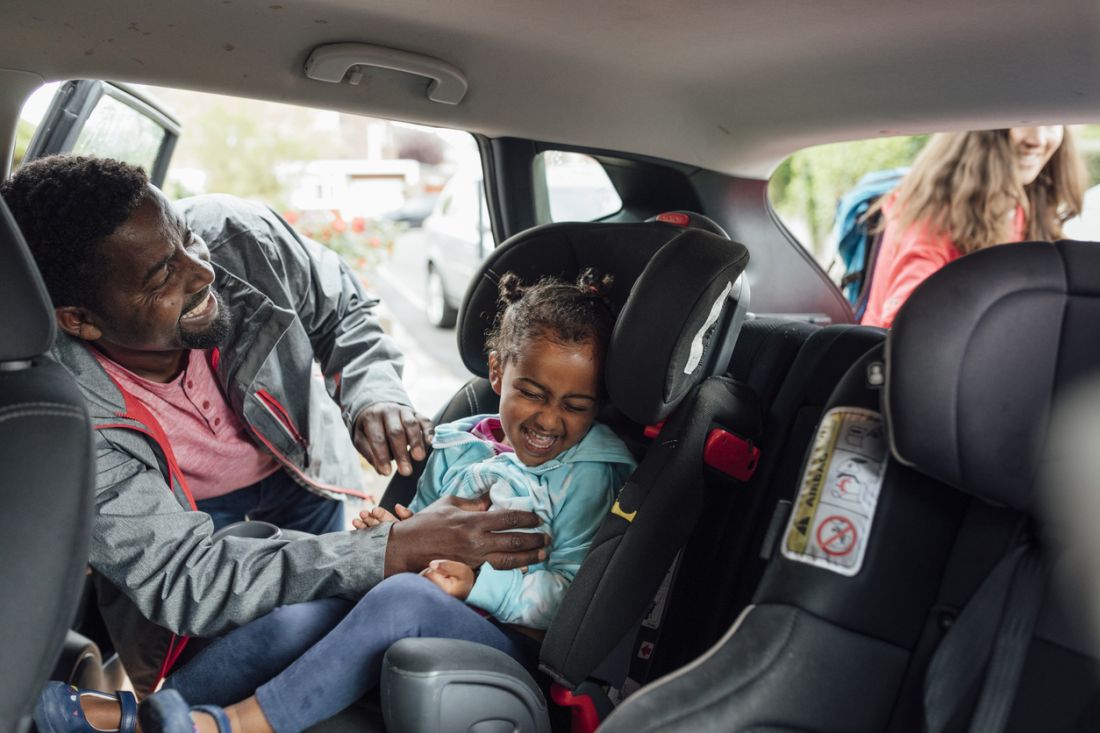
Child Car Seat Laws UK: Full Guide
Key Highlights
UK law mandates children to use car seats until they are 12 years old or 135cm tall, whichever comes first.
Height-based (i-Size) and weight-based seats are the two legal categories of child car seats.
Rear-facing seats are mandatory for children under 15 months for better crash protection.
Violations can result in fines of up to £500.
Exceptions include licensed taxis and minibuses, where car seats may not be required.
ISOFIX anchor points are recommended for properly securing car seats.
Understanding UK Child Car Seat Laws
Child car seat laws in the UK are here to keep kids safe during road accidents. Kids must use special car seats until they are 12 years old or reach a height of 135cm. The kind of car seat you need depends on how much your child weighs or how tall they are. This way, each child gets the right safety features.
The law also says you must use EU-approved car seats to make sure they are safe and follow the rules. Parents should fit the seat properly using ISOFIX mountings or seat belts. This helps avoid fines and keeps children safe.
Basics of the current regulations
UK child car seat laws are important rules. They aim to keep younger passengers safe while travelling. These laws apply to children who are under 12 years old or shorter than 135cm, and it is crucial to use the correct child car seat based on a child's height or weight to keep them protected.
There are two types of seats. One is height-based, known as i-Size. This is part of the newer rules called R129. These seats use ISOFIX anchor points, making them easy to install safely. And the other type is weight-based. These seats are grouped by weight, like 0-13kg for newborns, and they help keep children safe as they grow.
When picking the correct seat, you should consider the child’s weight and height. Rear-facing seats are required for children up to 15 months old, as these seats give extra protection in crashes and lessen the force of impacts. Following these regulations is not only required by law but is also vital for your child’s safety.
Importance of compliance for safety
Following child car seat laws is very important to keep young passengers safe, especially during a crash. Car seats are specially made to lower the risk of injuries. Child restraint systems take on the impact from a crash, spreading out the pressure away from delicate parts of a child’s body.
Statistics show that using properly fitted car seats can save lives. Not following these laws raises the risk of serious injuries because of incorrect seating or not enough restraint. For example, booster cushions help position seatbelts in a way that lowers risks during accidents.
Parents and drivers must make car seat safety a top priority. Choosing the right seat based on weight, height, and fit can really help during a crash. Following the law is not just about avoiding tickets - it's about ensuring safe travel for children.
Types of Child Car Seats Required by Law
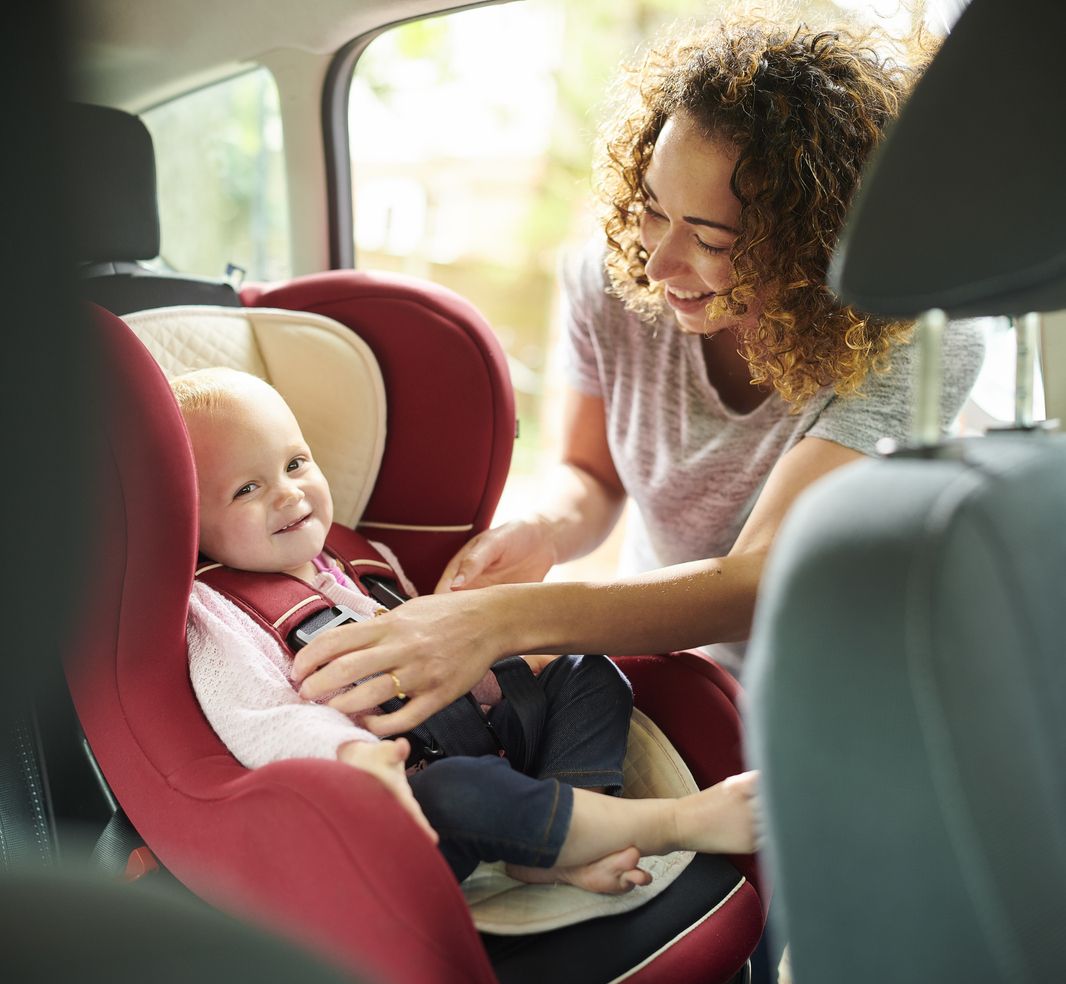
In the UK, child seats are of two types: height-based and weight-based. Each type matches specific ages and growth stages for kids to keep them safe.
Height-based seats are called i-Size. They are better for younger children to fit well and stay secure. Weight-based seats change as a child grows, from babies to the age needed by law. Picking the correct car seat from these two types is important for safety and is also a legal requirement.
Height-based seats explained
Height-based seats are made for your child's height instead of their weight and follow the latest European rules (R129) and provide better protection.
Children should stay in rear-facing i-Size seats until they are at least 15 months old.
These seats have ISOFIX anchor points. This feature helps keep them stable and lowers the risk during crashes.
i-Size seats work with approved cars. This makes them easy to install and cuts down on mistakes.
Rear-facing seats for younger children spread out crash forces better, making them safer. i-Size seats also have side-impact protection, which protects vital areas like the head and neck. With clear height limits shown on product labels, parents can easily find the correct car seat. Kids can switch to forward-facing or high-back seats when they reach the right height.
Weight-based seats overview
Weight-based seats place child car seats into groups based on a child’s weight, and they follow the safety rules set by the United Nations (R44/04).
Group 0: For babies up to 10kg, or 13kg for newborns, offering gentle protection.
Group 1: For toddlers weighing 9kg to 18kg, best used in the rear of the vehicle.
Group 2/3: For older children from 15kg to 36kg, made for use with booster cushions.
It’s important for parents to wait until their child hits the maximum weight for their seat before moving to the next group. If a seat is used for smaller weights, it can create safety gaps. Fitting the seat based on weight and ensuring it has EU approval helps to keep the child safe.
Age Specific Guidelines for Child Car Seats
The UK law has clear rules about child car seats based on age. Newborns and toddlers must use rear-facing seats. This helps protect the spine and neck, which are still developing.
Children up to 12 years old or 135cm tall need to use the right safety systems. For kids over 22kg, booster cushions are needed. These help ensure that the seatbelt fits correctly. Not following these rules can make travel unsafe. It is very important to choose car seats that match the child's age.
Requirements for newborns to toddlers
Car seats for newborns and toddlers focus on safety and comfort. Baby seats are for infants who weigh up to 13kg and should always go in the rear of the vehicle.
For toddlers under 15 months old, rear-facing positions are very important. These seats come with harnesses that help absorb crash forces. This keeps sensitive areas like the head and abdomen safe. If babies have medical conditions, carrycot-style seats might be allowed for a short time.
Parents should never place rear-facing seats in the front passenger seat if there is an active airbag. Harnesses spread crash forces well and lower the chances of injury during an accident. Regularly checking the seats and making sure they fit securely is important for full protection.
Rules for children up to 12 years or 135cm tall
For kids up to 12 years old or 135cm tall, booster cushions and seats help them use the adult seatbelt safely.
Booster cushions keep seatbelts in the right place on a child’s body. This helps avoid pressure on sensitive areas. High-back boosters have side wings which give extra support to the head and neck.
Kids who weigh more than 22kg or are taller than 125cm can use backless booster seats, but high-back ones are safer. Adults should only use seatbelts without a booster for children who meet the legal height limit. Also, if children sit in the front seat, some safety steps must be taken. Finally, older children can switch to only using seat belts when they go beyond the required weight and height limits.
Legal Implications for Non-Compliance
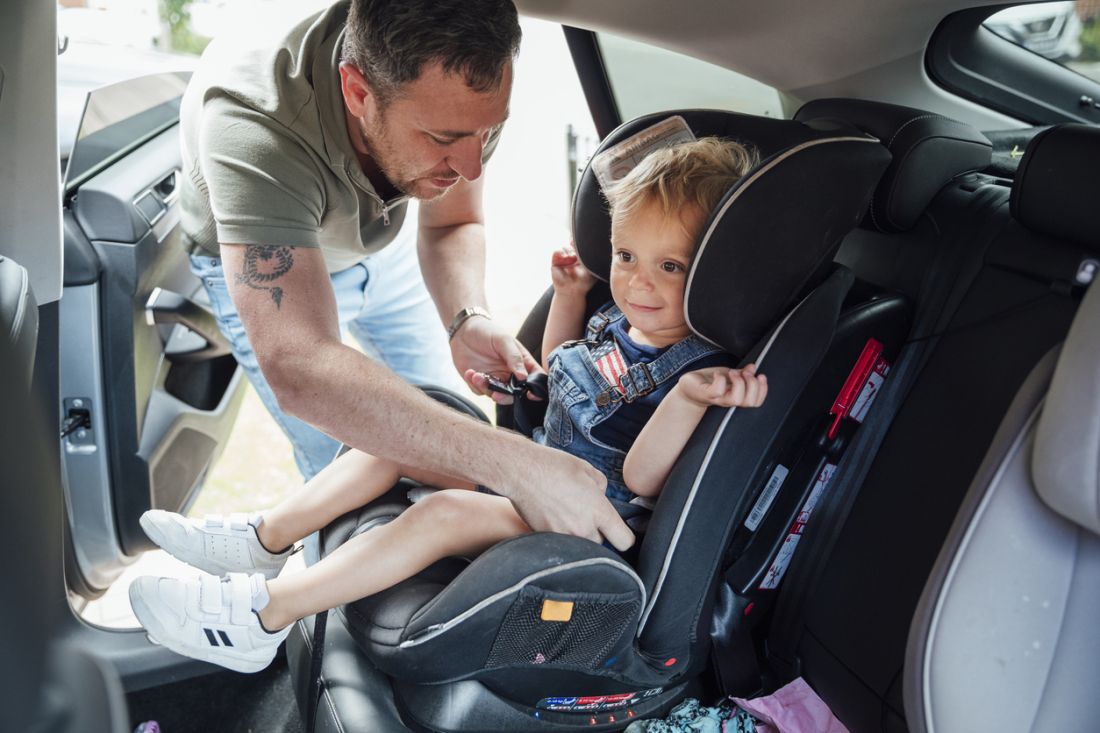
Not following child car seat laws can lead to serious legal issues. People who break these laws might get fined and receive points on their driving license. This shows how important it is to protect young passengers. Also, if there's a crash, not using the right car seat puts a child's safety at risk and makes it harder to settle claims about who is responsible. Insurance companies might question paid claims if the right restraints are not used. This highlights the importance of following rules about the right child restraint based on a child’s weight and height.
Fines and penalties for violations
Not following child car seat laws can lead to big fines in the UK. If you break the rules, you might get a fixed penalty notice, usually around £500, depending on how serious the violation is. If someone keeps breaking the rules, they could get points on their driver’s license. This can cause higher insurance costs and impact their ability to drive in the future. Using the right child restraint can avoid these penalties and provide the best possible protection for young passengers in the event of a crash.
How enforcement is carried out
Different ways are used to make sure people follow child car seat laws. Traffic police often check and can give fines right away if they find any rule-breaking. Surveillance cameras can monitor seat belt use and child restraint rules, especially in cities. During regular traffic stops, officers can look at cars to ensure they have the right child seats. This way, children are safe with proper restraints, which keep all passengers safe. Staying aware helps everyone follow these important rules.
Special Situations and Exceptions
Certain situations provide some flexibility in child restraint laws, especially for taxis and hired vehicles. For example, children can ride in licensed taxis without a child seat, as long as they use the adult seatbelt. This exemption helps parents when they have unexpected trips. Additionally, children with disabilities may have specific rules. They might use a disabled person’s seatbelt to meet their special needs while keeping safety in mind. Choosing the correct child car seat is still very important to improve protection and follow the rules.
Using child seats in taxis and hired vehicles
Using child seats in taxis and hired cars involves understanding some legal details. Licensed taxis usually do not have to provide child restraints. This means children can use an adult seatbelt, especially when sitting in the back seat. However, parents need to make sure their child fits the height and weight criteria. If you need to take an unexpected trip, it’s important to choose the correct child car seat or booster. This choice helps ensure the best possible protection during the ride.
Provisions for children with disabilities
Special rules are in place to protect children with disabilities when they travel. Parents can use special child seats that come with adaptive harnesses. These are designed for different medical conditions and help keep kids safe. The disabled person’s seat belt can also be used. This allows the child to be securely fastened with the adult seat belt when needed. In some cases, such as when using licensed taxis or hired cars, there may be exceptions. These rules help meet safety regulations while also fitting individual needs.
Conclusion
Making sure you follow child car seat laws is very important for keeping young passengers safe. Sticking to these rules not only guards your child in the event of a crash but also supports responsible driving. You should know about exceptions, like when it comes to children with disabilities or when using licensed taxis. It's crucial to learn how to use the right child restraint based on your child's weight and height. This way, you can give them the best possible protection on every trip.
Frequently Asked Questions
Can I use a seat from another country in the UK?
Using a child car seat from another country in the UK is usually okay, but it must follow UK safety rules. Make sure it meets standards like ECE R44 or R129. Always look at how it fits in your vehicle and the age needs of your child.
What are the penalties for not complying with child car seat laws in the UK?
Not following the child car seat laws in the UK can lead to fines that reach £500. Drivers might also get penalty points on their license. This can cause higher insurance costs and possible legal issues if they offend more than once.
Are there any exceptions to the child car seat regulations in specific situations, like taxis or buses?
There are some rules in the UK about car seats that have exceptions. For example, children under three can ride in taxis and hired cars without a car seat if one is not available. Buses also let kids travel without a car seat. Be sure to check your local rules.
How can I choose the right car seat for my child based on their weight and height?
To pick the right car seat, check the manufacturer’s guidelines for weight and height limits. Make sure the seat fits tightly in your car and has good safety features. As your child grows, keep checking the seat to make sure it still meets safety standards.