
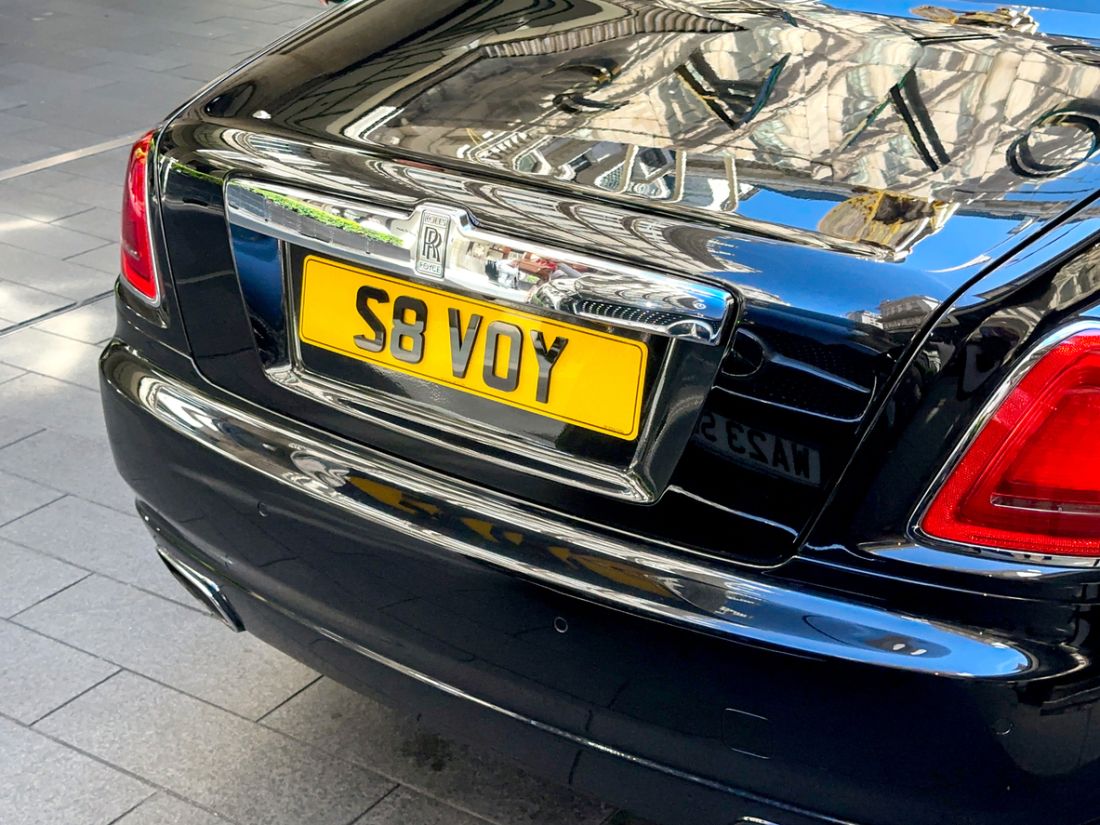
A Guide to Personalised Number Plates UK
Key Highlights
How to assign a personalised number plate – Step-by-step instructions for assigning a private registration to your vehicle via DVLA online or post.
Transferring plates between vehicles – Guidance on retaining and reassigning personalised plates, including fees and documentation.
Plate value explained – Factors that determine how much your personalised number plate is worth, plus how to get a valuation.
Changing or replacing a plate – How to switch to a new plate or revert to the original registration using DVLA forms.
Keeping a non-personalised number plate – Information on how to retain and reassign standard plates when switching.
Personalised number plates are a distinctive way to make your vehicle stand out from the crowd. Whether you’re marking a name, initials, or simply opting for something sleek and unique, personalised plates can add character and even become valuable assets over time. But how do they work? What’s the process of assigning or transferring one, and how do you know what it’s worth?
In this complete guide, we’ll cover everything you need to know about personalised number plates in the UK — from how to assign them to your car, how much they’re worth, and what to do if you want to keep or change them.
How to Put a Personalised Number Plate on a Car
Assigning a personalised registration plate is a fairly simple process, whether it’s newly purchased or already retained. Here’s how it works:
Step-by-Step Process
Purchase a Personalised Plate
You can buy a plate directly from the DVLA Personalised Registrations site or from a private seller or broker. Make sure the plate is suitable for your vehicle’s age — for example, you cannot assign a registration that makes a car appear newer than it actually is.Get the Right Documents
If it’s a new purchase, you’ll receive a V750 Certificate of Entitlement.
If it’s a retained plate, you’ll get a V778 Retention Document.
Assign the Plate to Your Vehicle
You can do this either:Online via DVLA’s assignment tool, or
By post, by sending the V750 or V778 and your V5C (logbook) to DVLA.
Wait for Confirmation
The DVLA will issue a new V5C showing the new registration. You’ll also need to fit the physical number plates to your car (which must be made by a registered number plate supplier).Inform Your Insurer
Don’t forget to update your insurance provider with your new plate number to keep your policy valid.
How Do I Transfer Personalised Number Plates?
You may wish to transfer your plate from one vehicle to another — for example, when buying a new car or selling the current one.
Transferring Between Vehicles
Remove the Plate from the Current Vehicle
Use the DVLA’s Retention Service to remove it. This costs £80, and you’ll receive a V778 document once successful.Assign to the New Vehicle
You can assign the plate to another vehicle either online or by post. You’ll need the vehicle’s logbook (V5C) and the retention certificate (V778).
Key Requirements
Both vehicles must be registered with the DVLA.
They must be available for inspection if requested.
Both must have a valid MOT (if required) and be taxed or declared SORN.
How Much Is My Personalised Number Plate Worth?
Personalised number plates can range from a few hundred pounds to six-figure sums. The value of your plate depends on several key factors:
Factors That Influence Value
Length: Short, dateless plates (e.g., “A1” or “J4CK”) are usually worth more.
Popularity: Common names or initials tend to attract higher offers.
Age of Plate: Older, dateless plates are usually more desirable.
Style: Plates that resemble words (e.g., “LUV 4U” or “FAST 1”) are in demand.
Market Trends: Certain plates become trendy based on cultural events or celebrity influence.
How to Get a Valuation
Use online valuation tools from trusted plate dealers.
Check recent sales of similar plates.
Contact a broker for a professional appraisal.
Remember, even if you’re not planning to sell your plate now, knowing its worth is helpful for insurance and resale purposes.
How to Change a Personalised Number Plate
If you already have a personalised number plate but want to change it, whether to a new personalised plate or revert to the original, the process involves removing the current plate and assigning the new one.
Steps to Change It
Retain Your Current Plate
Apply online or via form V317 to place your plate on retention. This costs £80 and keeps your rights to the plate for up to 10 years.Assign Your New Plate
Use your new V750 or V778 to assign the new personalised registration to your vehicle.Receive New Documentation
DVLA will send an updated V5C. You can then get new plates made and fitted.
Can You Keep a Non-Personalised Number Plate?
Yes — your vehicle’s original registration plate can be retained if you’re switching to a personalised plate.
When placing a personalised plate on your car, the DVLA will usually reassign the original (non-personalised) registration to your vehicle if you remove the private plate in future.
Alternatively, you can also place the original plate on retention using the same process (form V317 and £80 fee), and then assign it back to another vehicle if needed.
This is useful if your original registration is of sentimental value or if you plan to revert your vehicle to its original state before selling.
Final Thoughts
Personalised number plates are more than just a way to customise your car — they’re a personal statement, a potential investment, and a fantastic way to make your vehicle stand out on the road. Whether you're transferring an existing plate, valuing a current one, or exploring the process of buying and assigning a new one, understanding the DVLA rules and timelines will ensure everything goes smoothly.
Looking for the perfect car to go with your new personalised plate? Explore our latest stock of quality, competitively priced vehicles on our Used Cars page. From sporty hatchbacks to executive saloons, we’ve got something for every style and budget, all ready for your unique number plate.
Frequently Asked Questions
Can I put a personalised number plate on a leased or financed car?
Yes, you can assign a personalised number plate to a leased or financed car, but you must first obtain written permission from the lease or finance company. Since they are the legal owner of the vehicle, you’ll need their approval before the DVLA can process the registration change. Most companies are familiar with this process and will provide a letter of authorisation. Once approved, you can follow the standard DVLA process for assigning the plate. Keep in mind that when returning the vehicle at the end of the lease, you must remove the plate and retain it using a V317 form — otherwise, you may lose your rights to it.
How long does it take to assign a personalised number plate?
If you assign your plate online through the DVLA website, the process is usually very fast, often within 24 to 48 hours. In many cases, the change can even take effect the same day if all documentation is in order. However, if you're applying by post, it can take significantly longer, typically up to 2–3 weeks, depending on processing times and postal delays. Make sure you have all the required documents (V750/V778 and V5C) ready to avoid any back and forth that could slow things down.
Can I sell my personalised number plate later?
Yes, personalised number plates are classed as private property, and you can sell them just like any other asset. Many people buy plates as an investment, especially if they include popular names, initials, or short digit combinations. You can sell your plate privately, through online marketplaces, or via specialist dealers and auctions. If the plate is not currently on a vehicle, you’ll need a valid retention certificate (V778) in your name. If it is assigned to a vehicle, you’ll need to place it in retention before you can legally sell it. Be sure to notify the DVLA after the sale and transfer ownership properly to avoid any future complications.
Do I need to inform my insurance provider when I change number plates?
Absolutely. It’s very important to notify your car insurance provider immediately after assigning a personalised number plate to your vehicle. Failing to do so may result in your policy being invalidated. Most insurers allow you to update your registration number online via your account or by phone. It’s a quick update, but crucial for ensuring your vehicle is legally covered, especially in the event of an accident or a claim.
Can I use a personalised plate to hide my car’s age?
No, UK number plate regulations prohibit using a personalised plate to make a vehicle appear newer than it actually is. For instance, you cannot assign a '23' or '73' registration to a car registered in 2018. However, you can use an older or dateless plate to mask the age — many classic car owners use this to keep their vehicles looking timeless. Just remember: any plate you assign must be the same age or older than the vehicle itself, not newer.
How long does a retention certificate last?
A DVLA retention certificate (V778) is valid for 10 years from the date of issue. During this period, you have the right to assign the plate to any eligible vehicle at any time. If you don’t use the certificate within that period, you can renew it — currently, there is no fee for renewing a V778. Keeping your retention certificate up to date ensures you won’t lose the rights to your plate, even if you’re not ready to assign it yet.